
Malawi Hospitals Run Out of Medicines as Patients Pay Up
Last Updated on November 28, 2026 10:34 am by Alexa
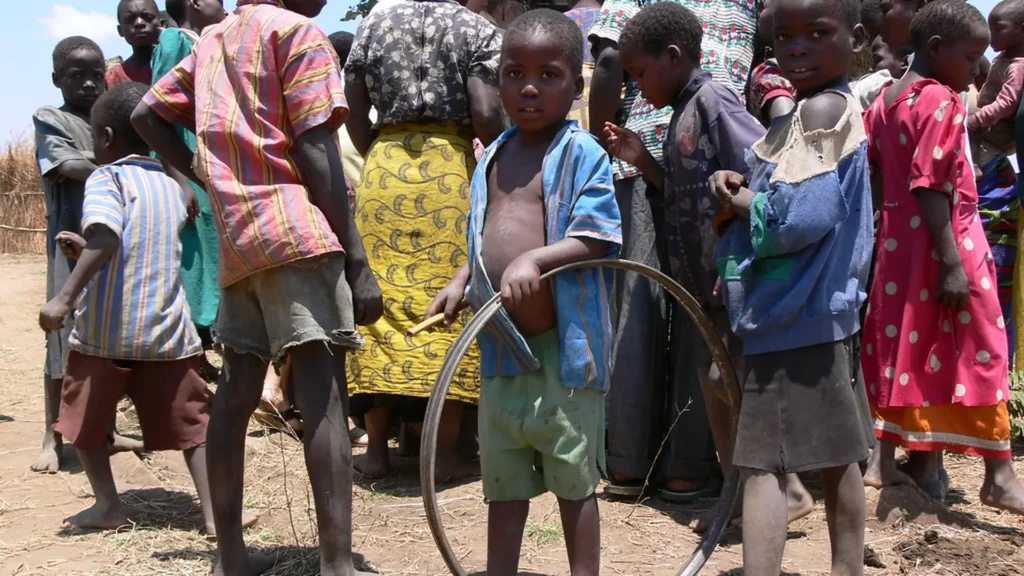
Malawi’s public hospitals have run out of the most basic medicines, leaving patients to buy their own painkillers, gloves and bandages from private vendors across the road. The country’s worst medical supply breakdown in more than a decade has turned a health system that is supposed to be free into one where the poorest families pay, or go without.
At Salima District Hospital, in the centre of the country, the shelves have been empty for months. The hospital, which serves a mostly rural population of more than 500,000 people, has been completely out of intravenous fluids for more than a week, while supplies of sterile gloves, painkillers, catheter bags and bandages have been depleted for up to three months.
The only free thing is a bed
Two days into her stay at Salima, Maureen Msukwa, a 25-year-old pregnant mother from Kasache village, was still waiting for a painkiller that the hospital pharmacy could not provide. She sat on the edge of a crowded ward clutching a handwritten scrap of paper instructing her to buy paracetamol from a private vendor across the road.
The only free thing here is a bed, she said. Everything else demands that we spend from our own pockets. Outside the brick maternity block, dozens of relatives sit on woven mats among plastic buckets, cooking pots and basins of laundry, because families now do much of the supplying that the hospital cannot.
Evelyn Jossam, a 30-year-old nurse-midwife at the facility who asked not to be named, described the reality of working without supplies. You can imagine a woman arriving minutes away from giving birth, she said, and we are forced to tell her relatives to run outside and buy supplies before we can safely assist. At night, when the pharmacies along nearby Kamuzu Road are closed, staff work in constant dread, unsure whether enough gloves remain on the ward to handle an emergency delivery or to protect themselves from blood-borne infections.
A system running dry
The crisis in Salima has exposed the sharp edge of a nationwide collapse. Availability of essential medicines across Malawi has plunged to 40 per cent, down from 77 per cent in early 2025, with major referral hospitals dropping to as low as 18 per cent, according to internal reporting from the state-run Central Medical Stores Trust. Health analysts say public facilities have not seen a collapse on this scale since 2013, when inherited debts and a major corruption scandal led donors to freeze aid.
The root cause is a severe shortage of foreign exchange. Malawi imports nearly 80 per cent of its pharmaceuticals, but limited foreign reserves and a trade deficit have halted new shipments. Suppliers demand payment in US dollars, and the Central Medical Stores Trust cannot convert local currency into dollars to pay them. The agency has accumulated $18 million in unpaid arrears, and new deliveries are halted until the invoices are settled.
The cost falls on the poorest
For rural families surviving largely on subsistence farming and small-scale fishing along Lake Malawi, sudden medical bills are devastating. A homestead in the district may have no cash income at all, and a single course of injectable antibiotics, bought at a private dispensary, can cost more than a family earns in a week.
The shortages also change clinical decisions. Relatives with little cash often return with loose, unsterile examination gloves packed in thin plastic bags, with no way of knowing how they were stored or handled. That introduces new dangers, including infection, into wards where women are already giving birth without sterile supplies. Malawi’s maternal mortality rate, 224 deaths per 100,000 live births, is among the highest in the region, and the lack of basic supplies makes it worse.
A promise that no longer holds
For now, the families outside Salima hospital wait with their buckets and cooking pots, and the mothers inside wait for painkillers that may never come. The same continent is also fighting a major outbreak of disease, with Uganda running the first mRNA Ebola vaccine trial, while health researchers elsewhere are redefining obesity and its link to dementia risk. In Malawi, though, the crisis is simpler and more immediate: a hospital with no medicine, and patients who cannot afford to buy their own.