
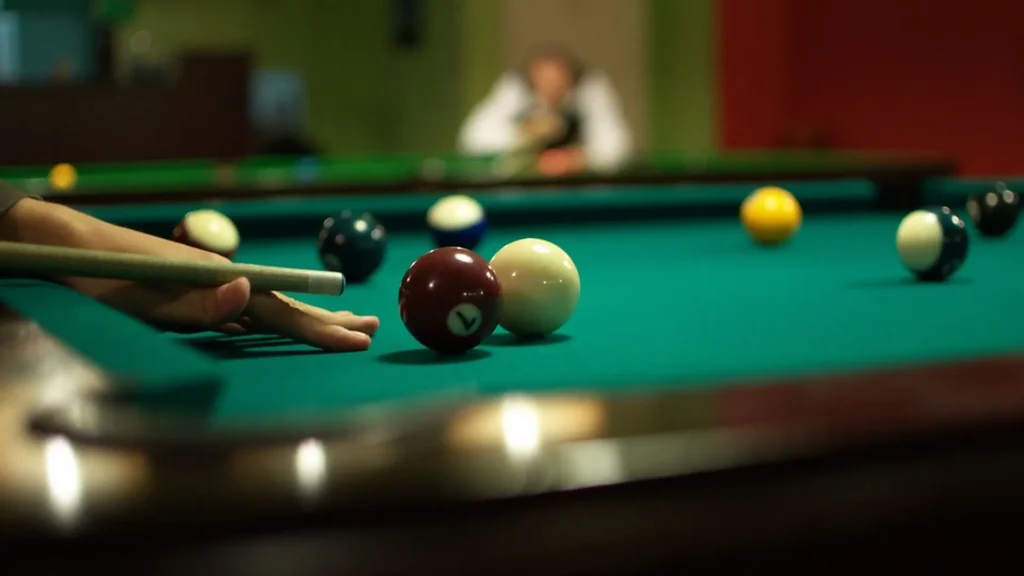
Snooker Mental Health Crisis as Mark Allen Hits Major Low
Last Updated on November 28, 2026 10:34 am by Tayyab
Snooker is one of the most mentally demanding sports in the world, and its players are saying so more openly than ever. The latest voice is Mark Allen, the world number 11, who has revealed he is stuck in a major low and does not see a future in the sport, prompting a wider conversation about the loneliness, pressure and lack of support at the top of the game.
Allen, 40, from Northern Ireland, spoke publicly about his struggles in an emotional interview on TNT Sports in October, after losing at the Northern Ireland Open in Belfast. He had just returned to competition after six months away, and the defeat to his friend and practice partner Jordan Brown left him overwhelmed. He said he was in a bad place, that he was just trying to survive, and that he had considered retirement.
A low that will not lift
Allen’s difficulties began earlier in the year. At the World Championship in May, he was one black ball away from a place in the final, only to lose 17-16 to Wu Yize, who went on to lift his first world title. Allen subsequently spent ten weeks in a mental health clinic, and discharged himself to play in Belfast, though he planned to continue his treatment.
On 23 November, he posted an update on social media that was more sombre still. He said the past few weeks had been really tough, that he was continuing to work on his recovery, but that he was definitely stuck in a major low right now and did not know what the future held. He thanked everyone who had left messages, but admitted he could not see what the future held.
Allen is not expected to compete at the UK Championship, which begins this weekend in York. He was among the top 16 seeds in the entry list, directly qualifying for the main draw, but he has not played since the Northern Ireland Open last month, and whether he will return remains uncertain. He has not spoken publicly since the October interview, beyond the social media post.
Why snooker is so hard on the mind
Allen’s account has struck a chord because his experience is far from unique. Snooker is, perhaps alongside golf, one of the most intensely individual sports, where players spend long hours alone in dimly lit practice rooms or travelling on the road, and where entire livelihoods can come down to tiny misjudgements.
Ken Doherty, the 1997 world champion, described the hardest part to BBC Sport: in snooker, when you are sitting in your chair and your opponent is at the table, you can do nothing but sit and bear it. That is the toughest part of the sport, he said, and mentally it is quite difficult for people to comprehend.
What is being done, and is it enough?
Since 2021, snooker’s governing body, the World Professional Billiards and Snooker Association, has put mental health provisions in place through a partnership with Sporting Chance, the charity founded by former footballer Tony Adams, offering free and anonymous support to players. More than 180 counselling sessions have been provided since the partnership began.
For Allen, the immediate future is uncertain. He has said there is more to life than just a career, and that he has been flooded with support, but that the problems are within. His bravery in speaking out has, according to former world champion Doherty, helped other sports stars get help, and his story has prompted a conversation the sport has needed for years.
The sporting world has rallied around Allen, just as it has around other athletes who have spoken about mental health, from baseball’s Jazz Chisholm, who signed a $20 million deal with the Blue Jays, to the UFC, where Cody Garbrandt will fight his farewell bout in Cleveland in February. For snooker, the question now is whether the conversation leads to change, and whether the next player who hits a major low finds the help Allen is still searching for.