
Storms Deluge Australia’s East Coast as Floods, Winds Hit
Last Updated on November 28, 2026 11:53 am by Sara
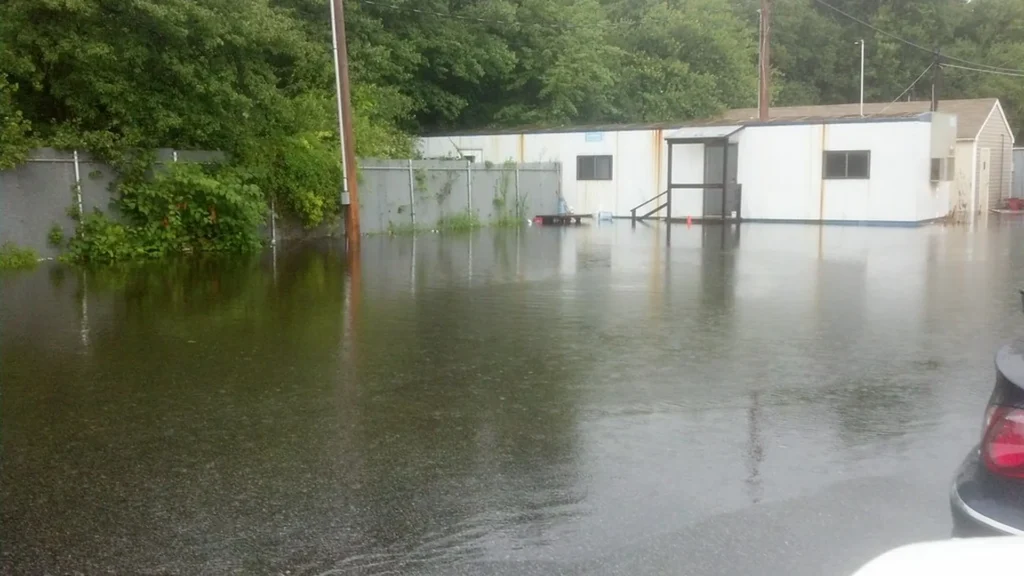
Storms have deluged Australia’s east coast, dumping more than 100 millimetres of rain in a few hours on parts of Victoria, flooding roads, felling trees and cutting power, as the country closes out what is already its wettest spring on record for an El Nino year. The rain, which began on Friday night, is moving south and east in a broad band that has already soaked central Queensland and New South Wales and is now bearing down on Victoria and Tasmania.
The heaviest falls were in central Victoria, where the Bureau of Meteorology recorded 85.4 millimetres at Amphitheatre Reservoir and 72.8 millimetres at Bet Bet Creek overnight. Weatherzone, which uses a different network of gauges, put the figures even higher: 116.6 millimetres at Amphitheatre, 109.2 millimetres at Bet Bet and 106 millimetres at Redbank, most of it falling in just six hours on Friday night. It is the kind of rain that overwhelms drains, turns creeks into rivers and leaves roads under water.
A night of torrential rain
The scale of the damage became clear on Saturday morning. The Victorian State Emergency Service received more than 340 calls for help before 6am, including 105 reports of fallen trees, 96 of building damage and 97 of flooding. Crews worked through the night, clearing roads, pumping out houses and responding to calls from people trapped by rising water. The rain was still falling on Saturday morning, with the north-eastern and eastern ranges of Victoria expecting another 55 to 70 millimetres every six hours.
The Bureau of Meteorology, in an update from David Crock at midday on Saturday, warned that the rain would continue through the day, and that damaging winds would add to the danger. The alpine areas of New South Wales and the central and eastern districts of Victoria were in line for gusts strong enough to bring down trees and power lines, and the combination of saturated ground and high winds is the worst possible one for falling trees.
For the people of central Victoria, the night was a frightening one. Rain that heavy, falling that fast, does not just flood roads; it floods homes, it floods businesses, and it leaves a mess that takes days to clean up. The SES has urged residents to stay indoors, to avoid driving through floodwater, and to call for help if they need it.
Flood warnings across three states
The warnings now stretch across three states. In Queensland, a moderate flood warning is in place for Warrill Creek, and flood watches cover most of Victoria’s catchments and parts of Tasmania, including the Meander and Mersey rivers. The Avoca and Loddon rivers in Victoria are under moderate flood warnings, and the authorities are watching the levels closely as the rain continues to fall on already saturated ground.
The band of weather is moving steadily south and east, from central Queensland through New South Wales and into Victoria and Tasmania. It is the last act of a spring that has already broken records, the wettest spring on record for an El Nino year.
The rain has also brought a strange contrast. While the east coast floods, Tasmania’s Flinders Island is still burning, with a blaze that had consumed 15,000 hectares by Friday, more than a tenth of the island. Fire and flood, in the same week, in the same country, is the Australian summer in miniature.
What happens next
The spring of 2026 will be remembered as a wet one, and the final weekend has lived up to the season. The rain has been heavy, the winds have been strong, and the warnings have been serious. For the east coast, the message is to stay safe, stay indoors, and wait for the water to go down.
Severe weather has made headlines elsewhere this week too. In the United States, Thanksgiving storms cancelled flights and cut power, while on the California coast king tides tore part of the Pacifica pier into the ocean. In Australia, though, the story is the rain itself: more than 100 millimetres in six hours, and a coast that is still counting the cost.