
Mumbai on Alert as Bomb Threat Email Names Jalsa, Metro
Last Updated on November 27, 2026 12:03 am by Janson
Mumbai police are investigating a threatening email sent on Thursday that warned of bomb blasts, drone strikes and grenade attacks across the city — and named actor Amitabh Bachchan’s home, the civic headquarters and metro stations among its targets. The message arrived on the 18th anniversary of the 2008 Mumbai terror attacks.
The email was sent to Mumbai Mayor Ritu Tawde and Municipal Commissioner Ashwini Bhide at around 10 in the morning, according to reports. It was written in Punjabi, Hindi and English, and it warned of a repeat of a 26/11-style attack, police sources said.
The places named in the email
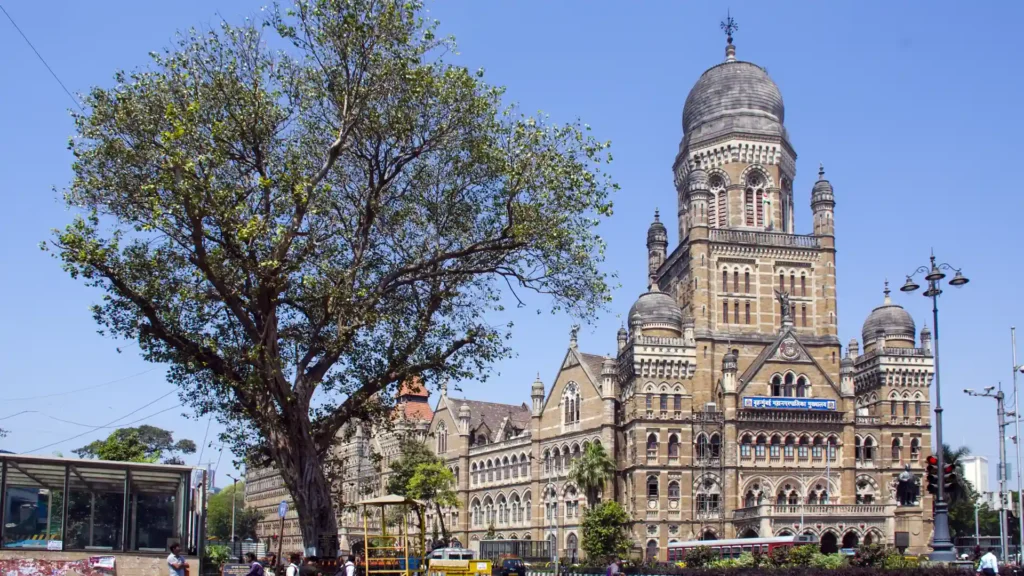
The message listed a string of targets: Bachchan’s Juhu bungalow Jalsa, the mayor’s office at the Brihanmumbai Municipal Corporation (BMC) headquarters, and metro stations including Mahalaxmi, Science and Acharya. A court, the Taj Hotel, Metro Cinema and Marine Drive were also mentioned.
It gave times as well as places — an attack on the mayor’s office at 1:11 pm on Thursday, followed by a threat against a court at 3 pm — and said Bachchan’s home could be hit by a drone at some point between November 27 and December 31. It also claimed bags containing improvised explosive devices had been planted inside several metro trains, and advised commuters to avoid the metro for the rest of the year.
Police have not confirmed any of these claims, and no device has been reported found. The message is being treated as a threat to be investigated, not as evidence that an attack is imminent.
The concert at the centre of the threats
Much of the email was aimed at a concert by Punjabi singer Diljit Dosanjh, scheduled for Friday, November 27, at the Mahalaxmi Racecourse, where around 30,000 people are expected. The sender demanded an apology from the singer, warned people against attending, and said grenade attacks would follow for 30 days if the three-hour performance went ahead.
It even warned concertgoers against picking up iPhones found lying on the ground. The concert threat is not the first of its kind: two days earlier, another email warned of an explosive device at Dosanjh’s concert in Bengaluru, scheduled for November 29.
Dosanjh’s shows have drawn threats before, and the Mumbai concert is going ahead under stepped-up security. Police have not said whether the Bengaluru and Mumbai emails came from the same sender.
What the email said about its motives
According to police, the message carried pro-Khalistan slogans and references to the 1984 anti-Sikh riots, and named two organisations — the Khalistan National Army and Babbar Khalsa. Whether those references identify the real author or were added to frighten is not known, and officials have not authenticated them.
The date was clearly chosen for effect. November 26 marks 18 years since ten gunmen attacked multiple sites across Mumbai in 2008, killing 166 people. The anniversary always brings heightened security to the city; this year it also brought a threat timed to it. Elsewhere in the region, garment workers in Bangladesh have rejected a proposed wage rise, while Pakistan, Saudi Arabia and Turkey held a security meeting in Islamabad.
A pattern of threats, not a first
Thursday’s email was the fourth of its kind sent to the BMC, according to Times Now. Earlier messages on October 23 and November 12 named the same places — the mayor’s office, Jalsa and a Punjab National Bank branch among them — and also proved to be threats rather than attacks.
Police lodged a non-cognisable offence over the earlier emails and are now tracing the source of the latest one. Security has been stepped up at the locations named, at the racecourse, and across the metro network, while investigators try to establish whether the messages are linked — and whether they are the work of a group or a single sender with a keyboard.
For a city that lives with the memory of 26/11, the email’s timing was the point. The police response, for now, is the same as it has been for the earlier messages: investigate the sender, guard the named sites, and treat the threat seriously until it is shown to be a hoax.