
BAE Systems Wins $6 Billion Combat Vehicle Deals in Europe
Last Updated on November 28, 2026 9:11 am by Muhammad
BAE Systems has secured contracts worth about 6 billion dollars to supply hundreds of combat vehicles to five NATO countries, in the latest sign of how fast European defence spending is rising.
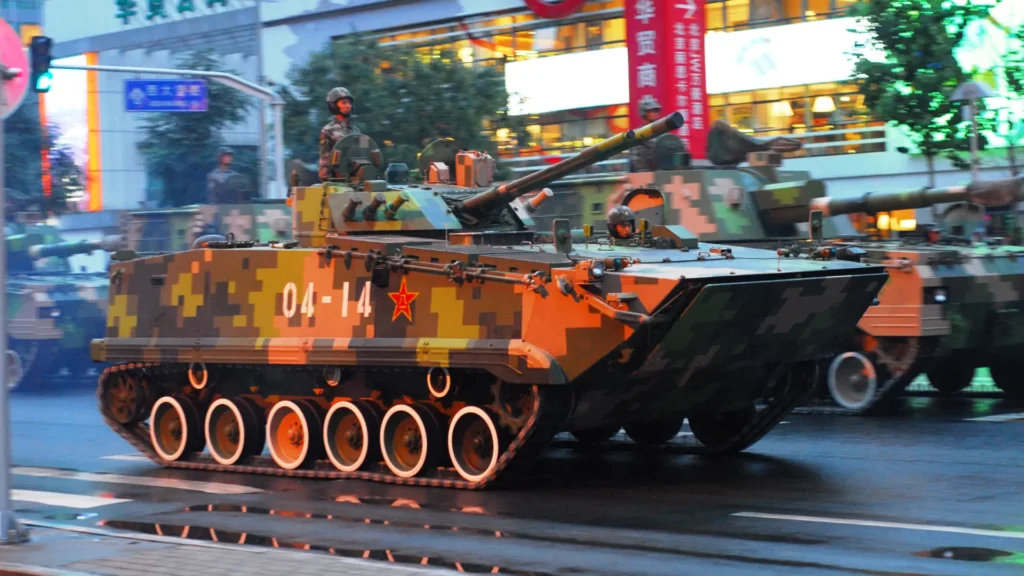
The British arms maker will provide infantry fighting vehicles to the five allies, according to Bloomberg, as European governments rush to rebuild their armed forces. The deal is one of the largest European defence orders of the year, and it reflects a shift in the continent’s military posture that has been building since Russia’s full-scale invasion of Ukraine.
A continent rearming
European nations have been raising defence budgets at a pace not seen in decades, and the orders are now flowing to manufacturers. Governments that once relied on American equipment are buying from European suppliers, and companies that build armoured vehicles, missiles and submarines are working through backlogs that stretch years into the future.
BAE, Britain’s largest defence company, builds a wide range of military hardware, from warships to fighter jets, and its combat vehicle business has become one of the main beneficiaries of the spending surge. Infantry fighting vehicles carry troops into battle while providing firepower of their own, and NATO armies are replacing ageing fleets with newer, better-protected models.
The five countries involved have not been named in the reports, but the scale of the order, hundreds of vehicles across five allies, suggests a coordinated purchase rather than five separate deals. Joint buying has become more common in Europe as governments try to cut costs and make their equipment work together.
The wider defence boom
The BAE contracts came in the same week as a string of other large defence announcements. Babcock, another British defence group, signed a record 11.4 billion dollar contract to build submarines for the Royal Navy, while European governments continued to place orders for ammunition, air defences and armoured vehicles.
Not every defence company is thriving. Rheinmetall, the German arms maker, cut its medium-term forecasts after a series of order setbacks, a reminder that the boom is not evenly shared and that governments are picking winners as they spend.
The spending is driven by the war in Ukraine and by doubts about whether the United States will remain as committed to European security as it once was. NATO members have agreed to spend more on defence, and the money is now being turned into hardware, with delivery schedules that run into the next decade.
What it means for BAE
For BAE, the contracts add to an order book that has grown sharply in the past three years. The company has been hiring workers and expanding factories to meet demand, and the new orders will keep production lines running for years.
The deal also strengthens Britain’s position as a defence exporter at a time when the government is trying to grow the economy. Arms exports are politically sensitive, but they are also one of the few British industries where demand is rising fast and where the country is a world leader.
Europe’s rearmament is now a business story as much as a security one. In India, the navy has taken delivery of its final Project 17A frigate, while the European Central Bank may raise interest rates as inflation stays above 3 per cent. For BAE and its rivals, the orders keep coming, and the factories are working flat out to fill them.