
ICJ Rules Myanmar Committed Genocide in Landmark Ruling
Last Updated on November 26, 2026 4:57 pm by Rehan
The International Court of Justice has found Myanmar responsible for committing genocide against the Rohingya, in a landmark ruling that marks the first time the world’s highest court has held an entire state directly guilty of the crime.
The court delivered its judgment on 19 November in the case brought by The Gambia, ruling by nine votes to six that Myanmar’s military carried out acts of genocide during its 2017 operations in northern Rakhine State. The judges found that killings, serious bodily and mental harm, and measures intended to prevent births within the Rohingya group had all been established, and that the only reasonable inference from the evidence was an intent to destroy at least a substantial part of the population.
Myanmar’s ruling military has rejected the judgment, which is expected to shape how international law treats state responsibility for mass atrocities.
A seven-year case reaches its end
The Gambia filed the case in November 2019 under the 1948 Genocide Convention, acting for the Organisation of Islamic Cooperation. The judgment runs to 460 pages, more than 200,000 words, and draws on the work of a United Nations fact-finding mission and the Independent Investigative Mechanism for Myanmar.
The court found the military targeted around 815,000 Rohingya in northern Rakhine State, about 58 percent of the 1.4 million living there, and backed the UN estimate that at least 10,000 people were killed. Myanmar said its operations answered attacks by Rohingya militants, but the judges found that could not explain the scale and pattern of what happened.
Central to the ruling was a new approach to proving genocidal intent from circumstantial evidence. Where earlier judgments demanded that intent be the only possible reading of the facts, the court held it was enough that intent was the only reasonable conclusion from the totality of the evidence, even if another motive, such as fighting an armed group, also appeared plausible.
What the court ordered
Alongside the finding of genocide, the court ordered Myanmar to investigate and prosecute those responsible and to provide remedies to victims, including restitution, compensation and guarantees that the crimes will not be repeated. It also found Myanmar had failed in its duties to prevent genocide, to punish those behind it, and to pass laws giving effect to the Genocide Convention.
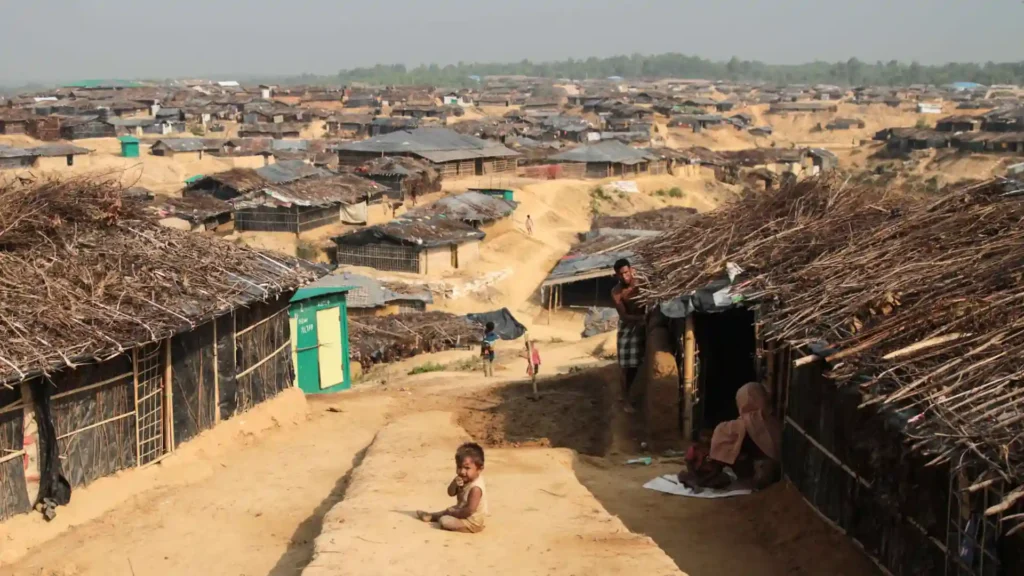
The judgment formally recognised the Rohingya as a protected ethnic group with their own culture, language and land, rejecting Myanmar’s claim that they are immigrants with no right to citizenship. More than a million Rohingya remain in exile, most in camps in Bangladesh, and the court said Myanmar must create conditions for them to return safely, voluntarily and with dignity.
The ruling does not deal with the criminal liability of individual commanders or soldiers. That question falls to other courts, and the International Court of Justice itself imposes no criminal penalties. Its role is to settle the responsibility of states.
Why the ruling reaches beyond Myanmar
Legal experts have called the judgment a watershed: the first time a state has been found directly responsible for committing genocide, rather than merely failing to prevent it. It also lowers the practical bar for proving intent, and breaks with precedent by holding that a state facing a serious risk of genocide cannot stay idle and gamble that the risk might not materialise.
The reasoning is likely to be cited in other pending cases under the Genocide Convention, most notably South Africa’s case against Israel over its actions in Gaza. That prospect is one reason the judgment has drawn such close attention well beyond Myanmar’s borders.
Enforcement remains the weak point: Security Council action could be blocked by vetoes from the United States, China or Russia, and dissenting judges warned the broader reading of the duty to prevent genocide could expose every state to liability for atrocities it failed to stop. For the Rohingya, the judgment is historic recognition, but the road from a courtroom in The Hague to justice in Rakhine State is still long. The case adds to a growing body of international legal action over mass atrocities, including Amnesty’s call for an ICC investigation into Gaza and the latest deadly strike in Gaza City.