
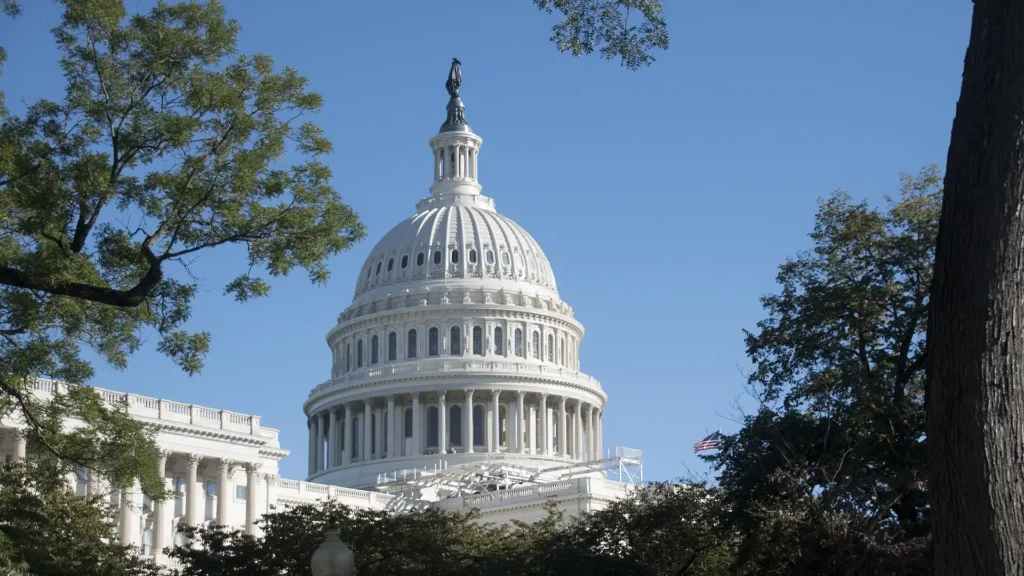
Senate Permitting Bill Now Heads to House Amid Water Fears
Last Updated on November 28, 2026 12:43 pm by Bilal
A sweeping Senate bill to speed up permits for energy and infrastructure projects is heading to the House of Representatives, where environmental advocates warn it could weaken protections for the nation’s water.
The Bipartisan American Affordability and Jobs Act, known as BAAJA, passed the Senate on 19 November. It is expected to reach the House floor next week through the Rules Committee, setting up a debate over how far the country should go to cut red tape for builders.
The water provisions at issue
The bill’s supporters say it will cut years off the time it takes to approve pipelines, power lines and other projects. But critics say the water provisions go too far.
Under the Clean Water Act, companies that discharge pollution into rivers and lakes must hold a permit, known as an NPDES permit, which is renewed every five years. The bill would extend those permits to 10 years, halving the number of times regulators get to review whether the limits are still safe.
The bill would also allow the Environmental Protection Agency to set water-quality criteria through rulemaking, a process that can be challenged in court, rather than through the current system. And critics warn it could lock in existing limits on PFAS, the “forever chemicals” linked to health risks, even where local water is heavily polluted.
In Horsham, Pennsylvania, for example, the local limit for PFAS discharges is 70 parts per trillion. Advocates say the bill could freeze limits like that in place, even as scientists learn more about the chemicals’ dangers.
Who is objecting
Six Democratic attorneys general objected to the bill on 6 November, warning that it would strip states of their power to protect their own water. Senator Maria Cantwell, the top Democrat on the Senate Commerce Committee, has also opposed it, along with tribal leaders who say the bill would weaken protections for waters on tribal lands.
The objections have not stopped the bill’s momentum. It passed the Senate with bipartisan support, and its backers say the permitting system is so slow that it has become a drag on the economy.
The industry response
Industry attorneys and the bill’s supporters say the warnings are overblown. They argue the bill keeps the core protections of the Clean Water Act intact and simply gives businesses more certainty about the rules they must follow.
They also say the current five-year permit cycle is too short for large projects that take a decade to build, and that longer permits would encourage investment in energy and manufacturing.
The disagreement comes down to a basic question: how much certainty should polluters get, and how often should the public get a say in the limits that protect their drinking water?
The Rules Committee is expected to take up the bill next week, and amendments are likely as members from both parties try to shape the final text. The water provisions are expected to draw the most attention, with environmental groups already lobbying House members to strip them out or soften them before the floor vote.
What happens in the House
The bill now goes to the House, where the Rules Committee will decide how it is debated. The floor vote is expected next week, and the water provisions are likely to be the focus of the fiercest arguments.
The debate comes as the economy shows mixed signals, with US GDP growing 4.3 per cent while inflation stayed sticky in October and the Federal Reserve’s Beige Book reporting modest growth and sticky inflation. Supporters of the bill say faster permits would help keep that growth going; opponents say the price is too high.