
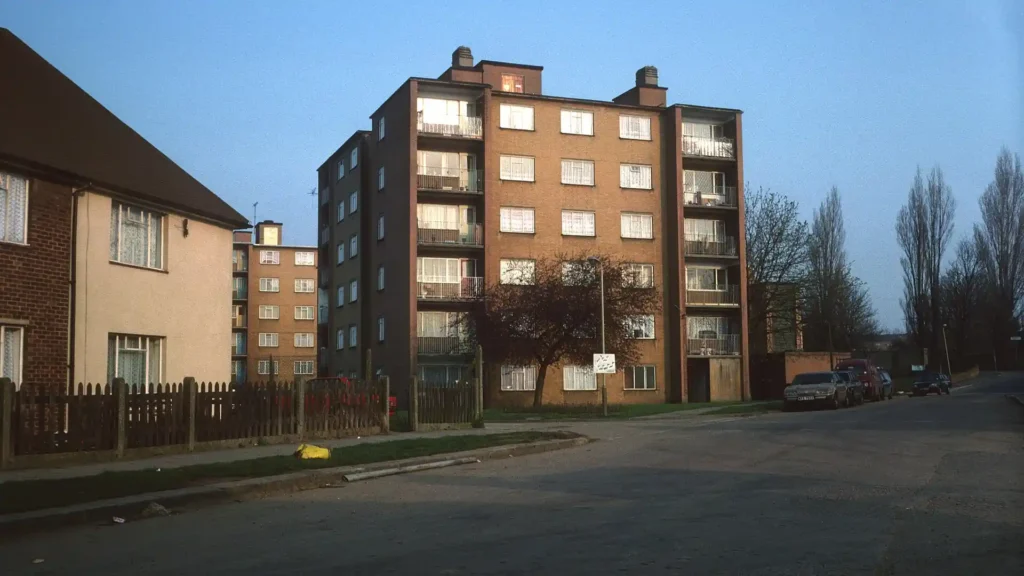
526,000 English Social Homes Headed by Foreign Nationals
Last Updated on November 28, 2026 3:56 pm by Bilal
More than half a million social-rented homes in England are now headed by someone who is not a British or Irish national, according to new Home Office figures. The total of 526,000 households is more than one in eight of all social housing in the country, and it has risen sharply in less than a decade.
The figures, released this week, show the number up from 470,000 a year earlier and from 338,000 in 2016-17. British and Irish nationals still head just over 3.5 million social housing households, but the foreign-headed share now stands at 13 percent, and 1.34 million households remain on the waiting list for a home.
Who the figures cover
Of the 526,000 households, around 196,000 are headed by EU nationals, excluding those from the Republic of Ireland, and around 330,000 by people of other nationalities. The figures count the nationality of the lead tenant, and a household can also contain British nationals alongside a non-UK lead tenant.
The largest groups among the foreign-headed households include people from Nigeria, at 18 percent, Pakistan at 10 percent, China at six percent and Bangladesh at three percent. The data also shows that migrants are now marginally more likely than British nationals to live in social housing, a point that has fuelled the political argument around the release.
Reform UK leader Nigel Farage seized on the numbers, saying almost half of all social housing in London and a fifth of it in England is now occupied by immigrants. His 20 percent figure for England is higher than the 13 percent in the Home Office data, but the political reaction has been fierce either way, with Farage promising he would prioritise British people for social housing.
A waiting list of 1.34 million
The backdrop to the row is a social housing system under severe strain. The waiting list in England stands at 1,340,527 households, and the figures show demand far outstripping supply. Successive governments have promised to build more social homes, but the queue has barely moved, and every new statistic about who lives in the existing stock lands in the middle of an already heated debate about immigration.
The same data release also contained a striking figure about movement in the opposite direction. Net emigration of British people stood at 136,000 in the year to June 2026, according to provisional figures from the Office for National Statistics, as more Britons moved abroad than returned.
Ministers under pressure
The figures land at a difficult moment for the government, which is under pressure from Reform UK to change the rules on who qualifies for social housing. Ministers have previously said homes should go to those in greatest need, regardless of nationality, but the scale of the waiting list and the scale of the increase since 2016 have made that position harder to defend. Opposition parties are now expected to press the government in Parliament for a clear answer on whether the allocation system will change.
The government has not yet set out a fresh response to the figures, but the housing debate is now firmly tied to the immigration debate, and both are likely to dominate politics in the run-up to the next election. Ministers have previously said that social housing should go to those in greatest need, regardless of nationality, while critics argue the system should favour British citizens first.
Housing pressure is a live issue across British politics, and housing dominated the final debate in Spain’s election campaign too. In the UK, 959,000 young people are out of work and training, while Reform UK has promised to scrap hospital parking fees in England.