
Russia Hits Kyiv With Missiles and Grain Ships Near Odesa
Last Updated on November 26, 2026 5:26 pm by Tayyab
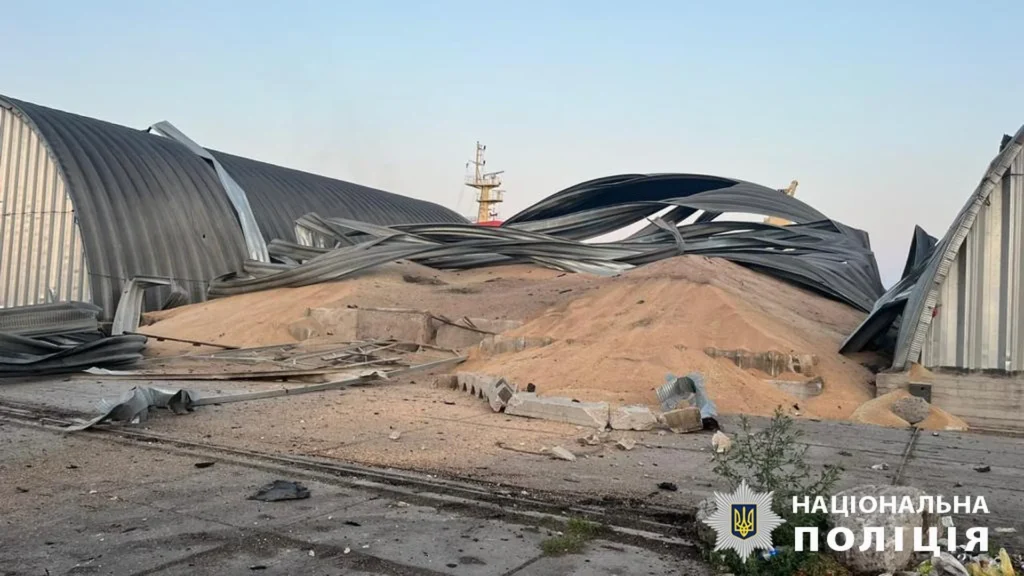
Russia struck Ukraine’s capital with ballistic missiles and hit two grain ships near the Black Sea port of Odesa in overnight attacks, Ukrainian officials said on Thursday, in a fresh blow to the country’s grain trade and to civilians in Kyiv.
The two foreign cargo ships were carrying more than 100,000 metric tons of grain between them when they were attacked near Odesa, Prime Minister Sergiy Koretskyi said. He did not say where the grain had come from or where the ships had loaded their cargo.
The attacks came hours apart. Missiles hit Kyiv late on Wednesday night, while the ships were struck overnight near Odesa, one of Ukraine’s most important export hubs. Russia says it does not attack civilian targets.
Two grain ships hit near Odesa
The strike on the grain ships is the latest in a campaign that has steadily choked off Ukraine’s Black Sea exports. Ukraine has said grain shipments from its key ports around Odesa have all but stopped since late July, after Russia sharply intensified attacks on grain terminals and merchant vessels.
Before the escalation, the three ports in the Odesa hub handled about 90 percent of Ukraine’s agricultural and metallurgical exports. Kyiv has not formally banned port operations, but shipowners have avoided the ports because of the security risks, while soaring insurance costs have deterred traders.
President Volodymyr Zelenskyy said earlier this year that shipments from the Odesa ports were taking place only intermittently, while Agriculture Minister Taras Vysotskiy has said no exports were moving through them at all.
Official figures show the scale of the disruption. Ukraine had exported 7.6 million tons of grain so far in the 2026/27 season, which runs from July to June, down from 11.5 million tons in the same period a year earlier. Ukraine does not publish official data on shipments from its Black Sea ports, saying agricultural exports have instead been redirected to Danube River ports or moved by rail across land borders with eastern European countries.
Even so, grain is still being moved towards the coast. Consultancy APK-Inform reported this week that 429 grain wagons were dispatched towards Odesa between 12 and 18 November, four times the level recorded a week earlier, according to analysts’ data on the state railway.
Missiles strike Kyiv late at night
In the capital, Russian forces attacked with ballistic missiles late on Wednesday, striking two sites in the city, Mayor Vitali Klitschko said. Writing on Telegram, he said two buildings had been hit on the east side of the Dnipro River, which divides the city.
A shopping centre was among the buildings damaged in the attack, according to footage and reports from the scene. Explosions lit up the night sky over Kyiv as air defences responded, and thick smoke rose over the city. Klitschko urged residents to stay in shelters while the attack was under way.
The strike on Kyiv and the attack on the grain ships form part of the same pattern of pressure on Ukraine: hitting the capital’s civilian areas while squeezing the export routes that fund the country’s economy.
Grain exports have almost stopped
The near-halt of Black Sea grain shipments matters far beyond Ukraine. Before the war, the country was one of the world’s largest exporters of wheat, corn and sunflower oil, and the Odesa ports were the main route to global markets.
With those ports now largely avoided by shippers, traders have turned to slower and more expensive routes: up the Danube, or by rail and road into eastern Europe. That has pushed up costs and cut the volumes Ukraine can sell, at a time when farmers are already struggling with the war.
The overnight attacks show that even the ships still willing to sail to Odesa face direct danger. For as long as the strikes continue, Ukraine’s most valuable export route will remain effectively closed, and the world’s grain markets will feel the gap. The war at sea has already reached beyond Ukraine’s shores, as Ukraine sank a Russian warship off Libya and as two tankers were hit by mines in the Strait of Hormuz.