
First Generic Twice-Yearly HIV Prevention Shot Hits Zambia
Last Updated on November 26, 2026 7:31 pm by Janson
The first generic version of lenacapavir, the twice-yearly injection that has transformed HIV prevention, has arrived in Zambia, bringing one of the most powerful tools against the virus within reach of the countries that need it most.
The shipments landed on Wednesday, the Global Fund to Fight AIDS, Tuberculosis and Malaria announced, and will be cleared for use within about three weeks. More deliveries are expected in Uganda in the coming days, with Zimbabwe to follow in early 2027. The generic drug is expected to cost about $40 a year per person, a fraction of the price of the branded version.
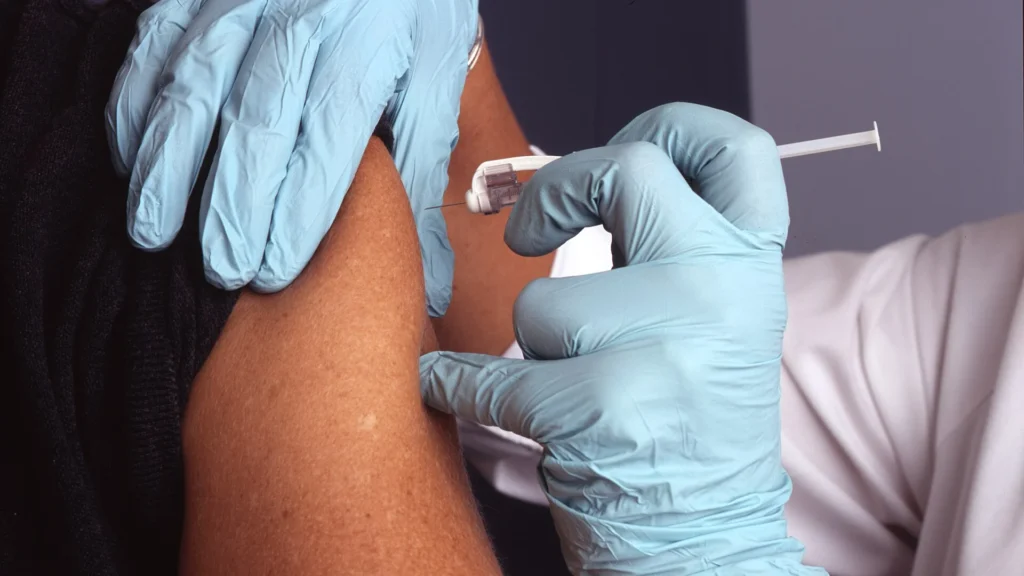
Lenacapavir is given as an injection just twice a year, replacing the daily pills that many people struggle to take consistently. In clinical trials it proved almost completely effective at preventing HIV infection, and health officials have called it the closest thing yet to a vaccine against the virus.
The fastest generic launch in HIV history
What makes this arrival remarkable is its speed. Gilead Sciences, which developed the drug, said the journey from US approval of its branded version, sold as Yeztugo, to generic availability took less than 18 months, the fastest ever for an HIV medicine.
That pace was the result of deliberate planning. Gilead granted voluntary licences to generic manufacturers, while the Global Fund, the US State Department through PEPFAR, Unitaid and other partners coordinated manufacturing and procurement. The US Food and Drug Administration approved the generic shot earlier this month, on a tentative basis, since the branded version remains under patent in the United States and the generic cannot be sold there.
The first generic was developed by India’s Dr Reddy’s Laboratories under an agreement brokered by Unitaid. On Thursday, a second Indian manufacturer, Hetero, said it had begun phased shipments of its own generic lenacapavir to Africa, with a planned initial supply of 300,000 vials across Zambia, Uganda and Zimbabwe, and oral initiation tablets to follow by January 2027.
Why the price matters
The $40-a-year price is the key to the whole story. The branded injection costs tens of thousands of dollars a year in the United States, putting it far beyond the reach of the African countries where HIV hits hardest. At generic prices, health systems can finally offer the drug at scale.
More than 189,000 people across ten countries had already received a first dose of lenacapavir as of November, according to the Global Fund, most of them with the branded product supplied through donor programmes. The organisation plans to deliver four times as much of the drug in 2027 as in 2026, with generic products accounting for a growing share of supplies.
Hetero, which partnered with the Gates Foundation in September 2025 to accelerate development, plans to supply generic lenacapavir to ten additional African countries in early 2027, and to launch the drug in India in the coming months, subject to regulatory approvals.
What comes next
For Zambia, the arrival is the start of a rollout that health workers hope will reach the people most at risk, including young women and sex workers, who have often been hardest to protect with daily pills. The drug must clear Zambian regulatory checks before it reaches clinics, but officials expect the first doses to be given within weeks.
Challenges remain. Twice-yearly injections still need clinics, trained staff and reliable supply chains, and the stigma around HIV continues to keep many people away from services. But for a disease that still infects more than a million people a year, a prevention shot that works with two visits a year, at $40 a year, changes the arithmetic of the fight.
Health news is moving quickly this week. A major new study has redefined obesity and linked it to a sharply higher dementia risk, as our report on the new obesity definition explains, while a norovirus outbreak has sickened more than a hundred children at a North Carolina school, covered in our report on the norovirus outbreak. For millions of people at risk of HIV, though, the arrival of generic lenacapavir in Zambia may be the most important health story of the year.