
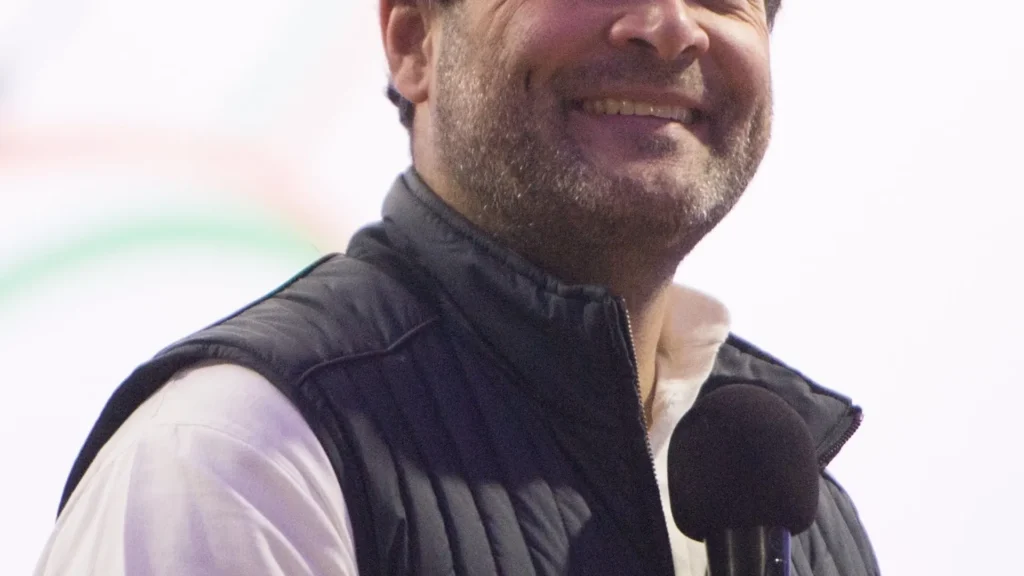
Congress Sues Meta Over Blocked Rahul Gandhi Posts in India
Last Updated on November 26, 2026 9:30 pm by Muhammad
India’s main opposition party, the Congress, has sued Meta and the federal government, saying an automated content-removal system is blocking political posts and images of its leader, Rahul Gandhi, ahead of state elections.
The case, filed in the Delhi High Court on 25 November, takes a week-long Congress campaign against Meta from street protests into the courtroom. It puts the world’s biggest social media company in a difficult spot in its largest market, caught between government rules demanding aggressive takedowns and an opposition party demanding it push back.
The numbers at the heart of the dispute are stark. Meta restricted more than 5.4 million posts in India in the first half of 2026, up from about 70,000 in the whole of 2025. Congress argues that the system has gone far beyond what the law requires, sweeping up ordinary political content along the way.
What the February rules say
India amended its information technology rules in February to require large platforms to use technical measures, including automated tools, to find and block any post that is exactly identical to content already removed under a court order or a written government notice. The government’s position is that the measure is needed to stop illegal or harmful material spreading again once it has been taken down.
The rules carry a sharp threat. Platforms that fail to comply can lose the legal protection that shields them from liability for what users post, a risk no large company can ignore. To comply, Meta has been restricting what its transparency report describes as 100 percent identical copies of content, at scale and inside India.
Congress says the reality on the ground looks very different. In the court filing, seen by Reuters, Manu Jain, the head of social media for the Congress party’s youth wing, said the rules have become an instrument for the suppression of lawful political expression. The party argues that Meta’s system is blocking posts that are not exactly identical copies of anything previously ordered removed.
What Congress says was blocked
The petition lists examples that Congress says show the system overreaching. Birthday greetings featuring Mr Gandhi were blocked, the party says, along with tributes to former prime minister Rajiv Gandhi and even a wedding invitation that carried his image. None of these, Congress argues, had any connection to content previously banned by a court or the government.
The party is asking the court for three things: to strike down the mandate for automated takedowns, to order Meta to restore the blocked posts, and to force the company to disclose the criteria its systems use to flag content. Hearings are expected to begin in the coming days, and the case is likely to become a test of how far the February rules can reach.
The timing matters. State elections are approaching, and the party says the blocks are hampering its ability to communicate with voters. The dispute also comes as governments everywhere wrestle with the same question: how to make platforms remove unlawful content quickly without handing them a tool that can silence lawful speech.
Meta caught in the middle
For Meta, the case is a problem with no easy answer. Complying strictly with the government’s mandate keeps it on the right side of the law, but it has now drawn a lawsuit from the country’s main opposition party. Pushing back, as Congress wants, would risk the legal protection its Indian business depends on.
The company has not yet commented publicly on the filing. Its transparency data shows the scale of the operation it is running in India, where Facebook and Instagram have hundreds of millions of users, and where the government has repeatedly pressed platforms to act faster on content it objects to.
The case also fits a wider pattern of tech regulation battles. In the United States, Senate Democrats have demanded that the securities regulator scrap new crypto rules, as our report on the Senate’s challenge to the SEC explains, while Apple pulled an AI chatbot app over child safety, covered in our report on Apple removing MiniMax Talkie. In India, the court will now decide where the line falls between stopping harmful content and protecting political speech.