
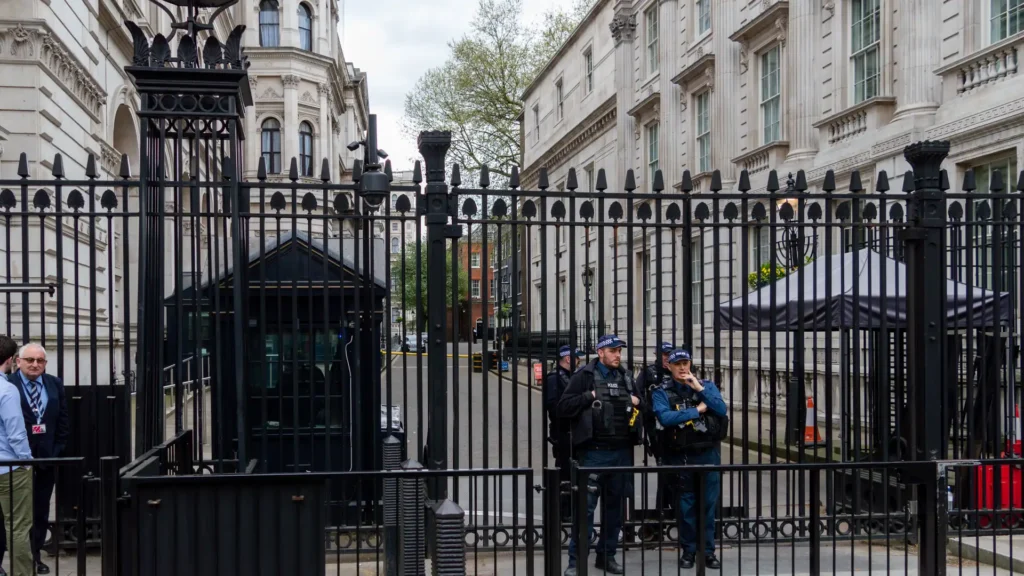
UK Government Doubles Social Media Spending to £25 Million
Last Updated on November 27, 2026 12:44 am by Usman
The UK government is set to almost double its spending on the team that promotes its policies on social media, with the budget for the New Media Unit rising to £25 million this year. A Freedom of Information request by the BBC has revealed that the unit, set up in 2024, will spend £25 million promoting government policies on YouTube, TikTok and other platforms — up from £13.2 million last year.
The New Media Unit is a government communications team that uses social media advertising and content creators to reach the public, particularly younger audiences. Its budget has grown sharply in the two years since it was founded under Sir Keir Starmer, and its headcount has doubled too, from 21 employees last October to 43 today, as the government speeds up its shift towards digital communications.
What the money buys
Much of the £25 million has been spent on paid campaigns. Almost £9 million has been spent since April this year alone on promoting government policies online, according to the BBC’s reporting of the Freedom of Information disclosure. On top of the advertising spend, £750,000 has been set aside to pay social media influencers to communicate government messages to their followers.
The unit has also helped organise Downing Street receptions for content creators, bringing the people who shape what young audiences see online into the heart of government. The idea, as ministers see it, is simple: if young people get their information from TikTok and YouTube rather than newspapers and television, then the government has to be there too, speaking in the formats those audiences actually watch.
Critics see it differently. They argue that £25 million of taxpayers’ money is a large sum to spend on promoting the government of the day, and that the line between informing the public and advertising the party in power is a thin one. The unit’s defenders say the spending is about reaching people who would otherwise never hear about government services and policies at all.
The row behind the rise
The budget increase comes after a controversy over influencer stunts at Number 10. Earlier this month, a video filmed on the steps of 10 Downing Street by creator Max Balegde, featuring explicit language, drew criticism. The prime minister called the video “not acceptable”, and Conservative leader Kemi Badenoch called on him to apologise.
Prime Minister Andy Burnham rejected the calls to apologise, arguing that influencer videos are where young people get their information. The New Media Unit was not involved in the event on 9 November, the BBC reported — but it has helped organise previous Downing Street receptions for content creators, and the row has put its work under a spotlight it did not seek.
The episode captures the tension at the heart of the unit’s mission. Governments have always communicated with the public, but doing it through influencers and paid social media campaigns is new — and it raises questions about who is being paid, what they are being paid to say, and whether the public can tell the difference between a government message and a creator’s own content.
A wider shift in how governments talk
The doubling of the budget is part of a broader change in how the government communicates. Traditional press releases and ministerial interviews still happen, but the fastest-growing part of the operation is the one aimed at feeds and timelines: short videos, paid promotion, and creators who can carry a message to audiences that never watch the evening news.
That shift is not unique to Britain. Governments around the world are spending more on digital outreach, and the question of how to do it honestly — clearly labelled, fairly funded, and open to scrutiny — is now a live political argument.
For now, the numbers speak for themselves: a unit founded two years ago with 21 staff now employs 43, and its budget has nearly doubled in a single year. India’s Congress party has sued Meta over blocked posts by its leader Rahul Gandhi. A US judge has blocked the FCC from reviewing ABC’s broadcast licences, ruling the move was retaliation for satire.