
Google Meet Unlocks Free 1080p Video Calls for All on Web
Last Updated on November 27, 2026 12:11 pm by Tayyab
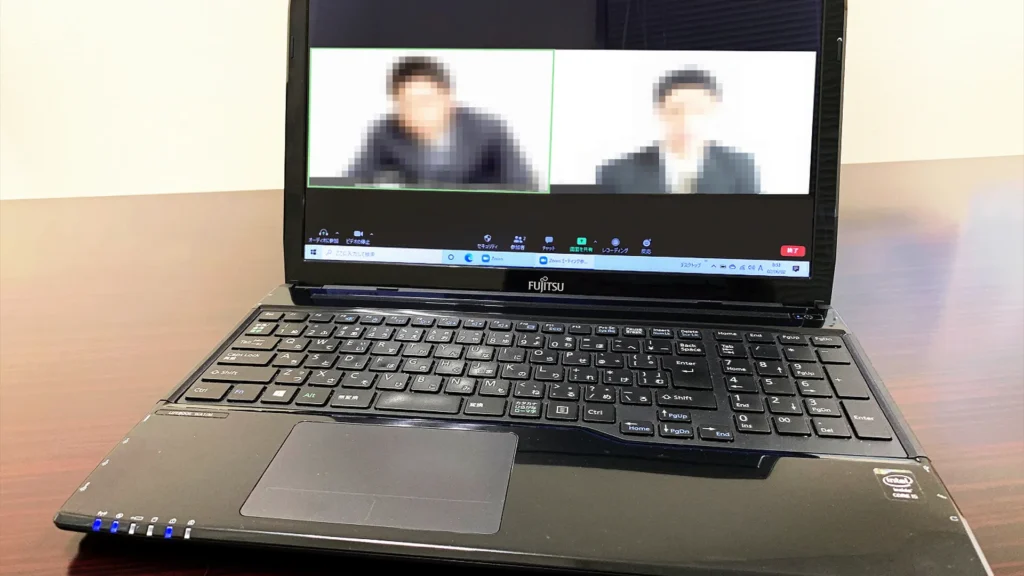
Google Meet has removed the paywall on its sharpest video quality, giving every user on the web — including those on free personal accounts — the ability to send video in 1080p Full HD.
Google announced the change on 23 November, in a post on its Workspace Updates blog. Until now, sending video at 1080p was limited to a handful of paid plans, even though anyone could receive a Full HD stream. From this week, the highest quality is switched on by default for all users whose computers can handle it.
What has changed
The change covers everyone who uses Meet in a browser: all Google Workspace customers, Workspace Individual subscribers, and anyone with a personal Google account. The feature is turned on by default under the Auto setting, unless a work or school administrator has limited it, and users can change it at any time in Settings, under Video.
Until this week, sending 1080p video required one of the paid tiers — Business Standard at 12 dollars a month, Business Plus at 18 dollars, Workspace Individual at 9.99 dollars, or a Google One plan with two terabytes of storage or more. Free users could watch other people in Full HD, but their own camera feed was capped at 720p, a limit that put Meet behind no rival in particular but frustrated anyone whose laptop camera was better than the software allowed.
Google first introduced 1080p video in Meet in 2023, after years in which it lagged behind Zoom and Microsoft Teams on picture quality. The company says the rollout of the free version began on 11 November and is an extended one, which can take more than 15 days to reach everyone, so some eligible accounts may not see the new default for a while. Its own Meet help page still lists the old paid plans, and has not yet caught up with the announcement.
The catches
Having 1080p switched on does not mean every call will be in Full HD. Google lists a series of conditions, and all of them have to be met before the higher resolution actually appears.
First, the hardware has to cooperate. A computer needs a 1080p camera — if the built-in webcam is only 720p, Meet cannot send 1080p from it — and enough processing power and bandwidth to sustain the stream. Meet automatically lowers the resolution when the processor or the connection is under strain. Second, the other person has to show the video in a tile large enough to display the extra detail, which happens during one-on-one calls, when a window is pinned, or in meeting recordings.
Third, the browser matters. The higher resolution is supported in Chromium-based browsers such as Chrome, Microsoft Edge and Samsung Internet, but Firefox and Safari do not support sending 1080p streams. And fourth, the change is web only: the Meet apps on Android and iPhone are not part of the update, and may still be limited to 720p for users without a paid subscription.
Why it matters
For most users, the practical difference will be small but visible. A 1080p picture is noticeably crisper than 720p, above all in one-to-one calls where the other person’s face fills the screen, and it matters more as laptop cameras improve and as more meetings happen from home offices with decent lighting.
The change also removes one of the last reasons to pay for a Meet upgrade on picture quality alone. Google is betting that the value of its paid plans now lies elsewhere — in storage, administration and advanced meeting features — rather than in the resolution of the video feed. Malaysia is suing Google for 146 million dollars over harmful YouTube content, while a shortage of memory chips has pushed prices up and forced companies to set up war rooms — a reminder that the company making video calls sharper is facing pressure on several fronts at once.