
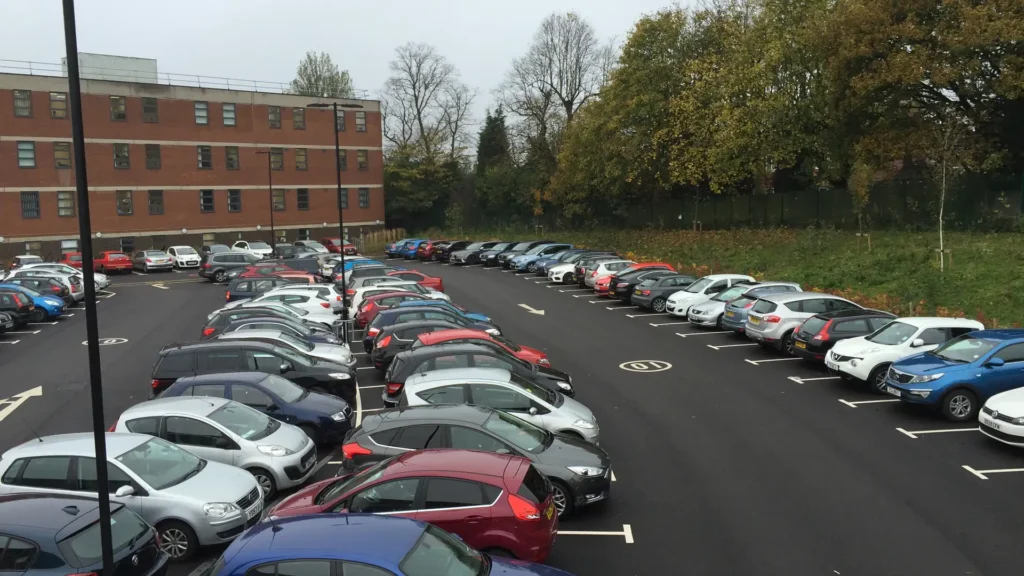
Reform UK Pledges to Scrap Hospital Parking Fees in England
Last Updated on November 27, 2026 12:11 pm by Rehan
Reform UK has promised to scrap parking fees at NHS hospitals in England for all patients, visitors and staff if the party wins power at the next general election.
The pledge, announced on Friday, targets a charge that has long irritated families and hospital workers. The party says rising parking charges in recent years have been unfair, with some hospitals charging as much as £20 a day for a parking space, and argues that nobody should have to pay to visit a sick relative or to do their job in a hospital.
How the party would pay for it
Hospital trusts in England currently collect around £300 million a year from parking fees, and that income would have to be replaced. Reform says its policy would cost £285 million a year to deliver, once a £25 million annual saving from payment collection costs that would no longer be needed is taken into account.
The party plans to recoup the money by charging overseas visitors more for NHS care. It would raise the charge for foreign nationals using NHS services from 150 percent of the national tariff to 200 percent, and extend charging to accident and emergency visits, ambulance services and GP care, areas where overseas visitors are not currently charged in the same way.
The proposal is the latest in a series of eye-catching pledges from Reform as it seeks to build on its position in the polls. The party has not said when the policy would take effect, but the promise is framed as an immediate change after taking power rather than a phased reform.
What the government says
The government has no plans to abolish hospital car parking charges. Ministers say free parking is already provided for those in greatest need, including NHS staff working overnight, people who attend hospital frequently as outpatients, disabled people, and parents of children staying overnight in hospital.
Officials also point out that most NHS sites do not charge for parking at all. Around two-thirds of NHS sites have no charges, with the fees concentrated at larger acute hospitals where demand for spaces is highest. Income from parking, the government says, is used to pay for the running of the car parks themselves, including maintenance, security and lighting, and any surplus must by law be spent on clinical services.
Whether the sums add up is the question Reform will face. The party’s plan assumes that higher charges on overseas visitors would raise enough to cover the £285 million annual cost, but the number of overseas visitors who use the NHS, and how much they can realistically be charged, is uncertain. The party has also not explained how the change would work in practice for trusts that have outsourced their car parks to private operators under long-term contracts.
A familiar political battleground
Hospital parking has been a political issue for years, with campaigners arguing that the charges hit the sickest patients hardest and that staff who work long shifts should not have to pay to park at their place of work. Previous governments have repeatedly been pressed to abolish the fees, and have instead opted for targeted exemptions.
Reform’s answer is to abolish them outright and send the bill to overseas visitors, a combination that fits the party’s wider message on the NHS and immigration. In France, Emmanuel Macron has told Marine Le Pen to be less arrogant over the EU budget as Europe’s leaders argue about spending, while energy bills in Britain are set to rise by 26 percent in January — another cost-of-living pressure on households. For patients and staff who pay to park at their local hospital, Reform’s pledge will be judged on whether the money to replace the fees can really be found elsewhere.