
Ukraine Strikes Tula Rocket Fuel Plant in Overnight Raid
Last Updated on November 27, 2026 9:12 pm by Sara
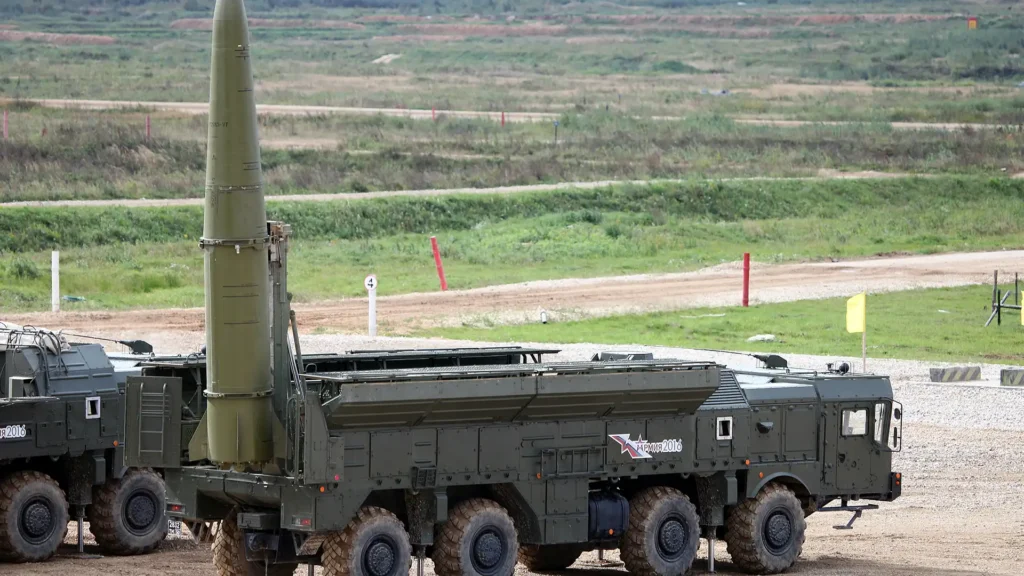
Ukrainian drones struck a synthetic rubber plant in Russia’s Tula region overnight, hitting a facility Kyiv says supplies the solid rocket fuel used in Iskander ballistic missiles. Explosions were also reported at a nearby thermal power plant, and drone debris fell on St. Petersburg, where a woman was injured.
The strikes took place in the early hours of Friday, 27 November, in Yefremov, about 250 kilometres south of Moscow. Local residents reported more than 20 explosions and a large fire at the plant. Residents said heating was cut off after blasts near the town’s thermal power station.
Ukraine’s General Staff has identified the plant as a key link in Russia’s missile production. It manufactures hydroxyl-terminated polybutadiene, a specialised polymer that binds solid rocket propellant, including the fuel for Iskander ballistic missiles. The facility had been hit before, in September this year and in December 2025. Two production workshops, identified as DK-5 and DK-7, were reported hit on Friday.
A plant that feeds the missile programme
The Yefremov plant has been operating since 1933 and is one of Russia’s main producers of synthetic rubber. Its output goes far beyond tyres and industrial goods. The polymer it makes is a core ingredient in the solid fuel that powers short-range ballistic missiles, and open-source defence analysts describe the site as one of the primary suppliers to the Iskander production chain.
Kyiv has put it on its target list more than once. In September, Ukraine’s General Staff said it had struck the same facility and named its role in producing solid rocket propellant. Friday’s strike follows a pattern in Ukraine’s campaign this year: rather than only hitting launchers and airfields, it has gone after the factories, refineries and fuel depots that keep Russia’s war machine running.
The scale of that campaign was underlined by President Volodymyr Zelenskyy, who said Ukrainian forces had struck military and oil facilities across 11 Russian regions over the past week, including sites in Samara, Nizhny Novgorod, Krasnodar, Rostov, Volgograd, Stavropol, Bryansk, Perm and Tula, as well as in Bashkortostan and Tatarstan and targets in the Black Sea.
Moscow says nothing was hit
The official Russian account of the night was very different. Tula region governor Dmitry Milyaev said on Telegram that air defences had shot down four Ukrainian drones over the region and that there were no casualties and no damage to infrastructure. He said falling debris had damaged windows at three private homes in the Yefremov district, but he made no mention of explosions at either the rubber plant or the power station.
Independent Russian outlet ASTRA, citing eyewitness footage, reported explosions at both the plant and the thermal power station, and said attacks on the facility happen more often than officials admit. Geolocation analysis by open-source groups confirmed a fire inside the plant’s core manufacturing zone.
Russia’s Defence Ministry said its air defences had intercepted 318 Ukrainian drones overnight across nine regions and occupied Crimea, a figure that suggests the attack was far larger than a single plant. In St. Petersburg, debris from a drone struck a residential building in the Vyborgsky and Primorsky districts, injuring a woman, and flights at the city’s airport were briefly suspended.
A wider night of strikes
The Tula attack came as Ukraine warned of a new Russian mass strike in the coming days, a warning President Zelenskyy repeated after overnight ballistic missile strikes on Kyiv wounded seven people. President Donald Trump has said he pressed Vladimir Putin to pull back, while European leaders have struggled to agree a 45 billion euro loan to support Ukraine.
For Ukraine, the logic is straightforward: every Iskander missile that cannot be fuelled is one that cannot be fired at a Ukrainian city. The plant will take time to repair, and a specialised polymer supplier cannot be replaced quickly. For Russia, the strike is a reminder that the war it started is now reaching deep into its industrial heartland, 250 kilometres from Moscow. Zelenskyy has warned of a new Russian mass strike on Ukraine’s power grid, while Russia fired 155 drones at Ukraine in an earlier overnight attack that scrambled NATO jets.