
London Tube Strike Disrupts Travel Despite Extra Drivers
Last Updated on November 27, 2026 12:44 am by Hafiz
London Underground drivers staged the first of a series of 24-hour strikes on Thursday, disrupting services across the capital — but more drivers turned up for work than expected, and Transport for London said it was running a better service than it had planned. Members of the Rail, Maritime and Transport union (RMT) walked out at 12 noon after talks failed to resolve a dispute over a four-day week.
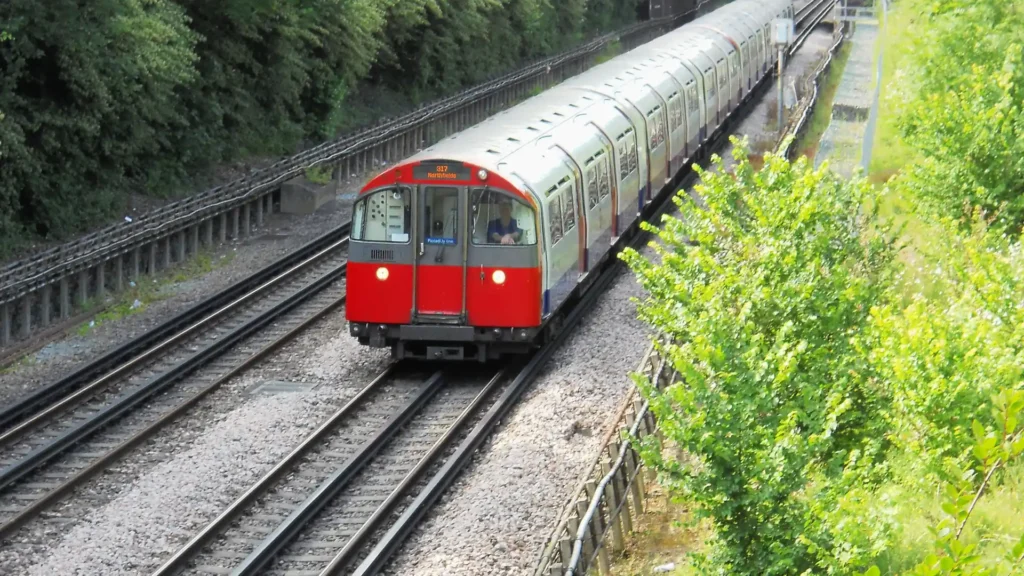
Transport for London (TfL) had warned passengers to check before they travel, with disruption expected before, during and after the strike. A normal service ran until around 10am, after which Tube services began to thin out. From midday, most services were expected to run but with disruption on all lines. No service was expected on the Circle or Piccadilly lines throughout the day, or on the Waterloo & City line after midday — but the Piccadilly line kept running, with delays, because more drivers reported for duty than TfL had forecast.
What ran and what did not
The Elizabeth line, Overground and DLR ran as usual, though they were busier than normal as passengers looked for alternatives. On Friday, services were expected to start later than normal, with disruption across all lines until around midday, and continued disruption through the afternoon and evening as services returned to normal by around 6pm.
TfL said later in the day that it was exceeding its planned number of services on every line, with some trains running on the Piccadilly line. “We’ve never been able to run a Piccadilly line service like this during an RMT strike before,” a TfL spokesperson said. Nick Dent, TfL’s director of customer operations, said he was pleased with the better-than-expected service.
The RMT challenged TfL’s account. A spokesperson told the Mirror that the claim was “not a clear picture due to shift patterns and the action only started a few hours ago.” The union’s position is that the number of drivers working is not evidence that its members back the changes TfL is proposing — only that a strike’s impact varies through the day as different shifts come on duty.
The four-day week at the heart of it
The dispute is over TfL’s proposals for a voluntary four-day week for train drivers. Under the plan, drivers would work a 34-hour week with rosters that give them an extra 35 days off every year, in return for some changes to working conditions and a move to electronic systems for booking on duty. Drivers could remain on a five-day week, with a guarantee of staying at the same depot.
Aslef, the other drivers’ union, has backed the proposals and its members worked normally. Its organiser Finn Brennan said the voluntary four-day week gives drivers more time off, and called a strike designed to stop people having the choice of a shorter working week “a strange choice to make.”
Nick Dent stressed that the proposals were voluntary and denied union claims that drivers were being asked to spend more time driving trains, increasing levels of fatigue. “The proposals will lead to a more reliable service and will improve work/life balance,” he said. RMT general secretary Eddie Dempsey disagreed: “This is not about improving work-life balance. It is about squeezing more work out of fewer drivers.”
More strikes to come
Thursday was only the first of a series. More 24-hour strikes are planned on December 17 and 19, January 4 and 6, and February 17, 23 and 25 — eight more days of disruption spread across the winter, including two in the run-up to Christmas. Each one will test whether TfL can again keep more trains running than expected, and whether the RMT’s members hold the line.
Dent used the day to press the union to put the proposals to its members. “The number of drivers who have come to work today shows that there is a difference in views among drivers on our four-day week proposals,” he said. For now, Londoners face a winter of disrupted commutes. UK net migration has fallen to its lowest since 1997, another sign of a country in flux. Millions of people also face higher monthly mortgage payments, the Bank of England warned this week.