
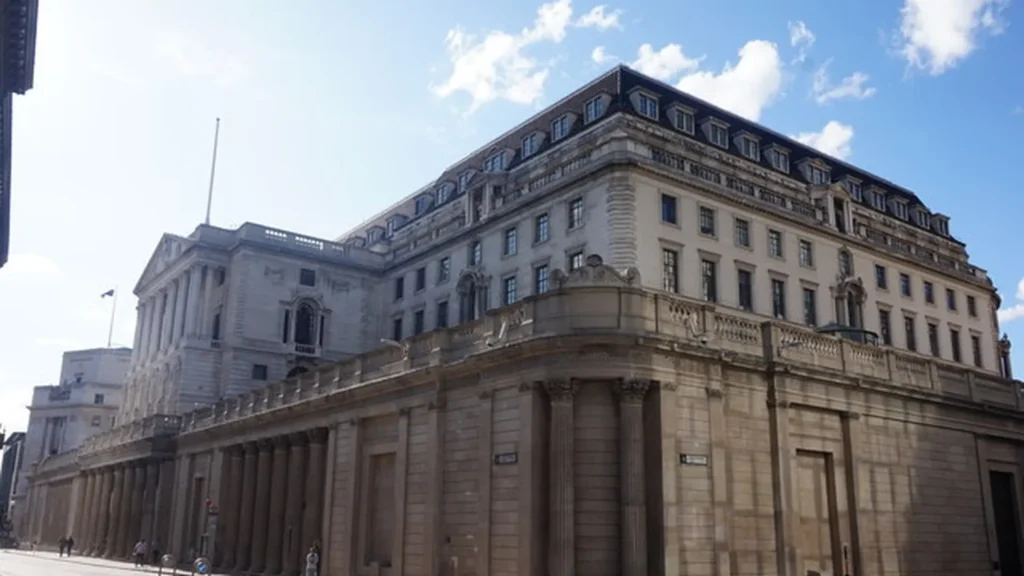
Bank of England Warns Millions Face Higher Mortgage Bills
Last Updated on November 26, 2026 10:34 pm by Tayyab
Around 6.5 million homeowners in the UK face higher monthly mortgage payments over the next three years, the Bank of England has warned, with the typical increase now about £100 a month, roughly double the figure it projected in July.
The figures appear in the Bank’s Financial Stability Report, published on Thursday. Around a million homeowners are set to see their payments jump by about £200 a month next year, as they come off fixed-rate deals and remortgage at an average rate of 5.5 percent.
The Bank raised its base interest rate from 3.75 percent to 4 percent earlier this month, its first increase in three years, citing inflationary pressure linked to the conflict in the Middle East.
Who faces the biggest rises
The report breaks down how large the increases are likely to be. About 3.4 million borrowers are expected to see payments rise by less than £100 a month, while around 2.7 million could face increases of between £100 and £500 a month.
The hardest hit are about 430,000 households, which face rises of more than £500 a month, the equivalent of at least £6,000 a year. Around seven million borrowers will refinance between June 2026 and December 2029, and about 6.5 million of them will end up paying more.
Quoted two-year fixed rates now stand at 5.39 percent for borrowers at 75 percent loan to value, and 5.60 percent at 90 percent loan to value. The Bank’s latest projection is half a million borrowers higher than its July estimate, when it expected a typical rise of about £45 a month.
Why rates are staying high
The Bank’s Financial Policy Committee said higher interest rates and an energy shock tied to the Middle East conflict are squeezing family budgets, and markets expect further increases in borrowing costs.
The report also urged financial firms to invest more in their defences against cyber threats, pointing to the recent Microsoft and Google Cloud outages as a warning of how disruption at a single provider can affect many firms at once.
The Bank also noted that the squeeze will test family finances as more fixed deals expire over the next three years, with the largest refinancing wave still to come and no quick return to the ultra-low rates borrowers enjoyed before 2022.
The warning lands in the same week as other cost-of-living pressure on households, with energy bills rising by 26 percent in January and food and fuel costs still elevated. For many families, the mortgage is the largest monthly outgoing, so even a £100 rise forces hard choices about spending.
What borrowers can do
Borrowers coming to the end of a fixed deal can usually lock in a new rate several months before their current deal ends, which can protect them if rates rise further while they wait.
Anyone struggling with payments should speak to their lender early, as banks are required to offer support such as temporary payment reductions or extending the mortgage term, rather than moving straight to repossession.
The Bank’s message is blunt: the era of ultra-cheap fixed rates is over, and millions of households will feel the difference in the next three years. The Bank of Korea raised its rate to 3.25 percent this week, a reminder that central banks around the world are still tightening as they fight stubborn inflation.