
Nearly 100 Labour MPs Urge Burnham to Block Rosebank Field
Last Updated on November 27, 2026 1:58 am by Usman
Nearly 100 Labour MPs, including ministerial aides and at least four frontbenchers, have signed a letter urging Prime Minister Andy Burnham not to approve drilling at the Rosebank oil field, in what is shaping up to be the biggest test of his leadership since he entered Downing Street in July.
The letter, organised by Catherine Fookes, the MP for Monmouthshire, was sent to the prime minister on Thursday. Ninety-two backbenchers have signed it. The BBC has been told the government could face resignations from its junior ranks if the field is approved.
A decision due within weeks
The decision rests, in legal terms, with Energy Secretary Miatta Fahnbulleh, who is expected to rule on whether drilling can go ahead within weeks, with some in Westminster expecting an answer by mid-December. The government has stayed quiet, in public and in private, about which way it will go, though Fahnbulleh is understood to be leaning against approval.
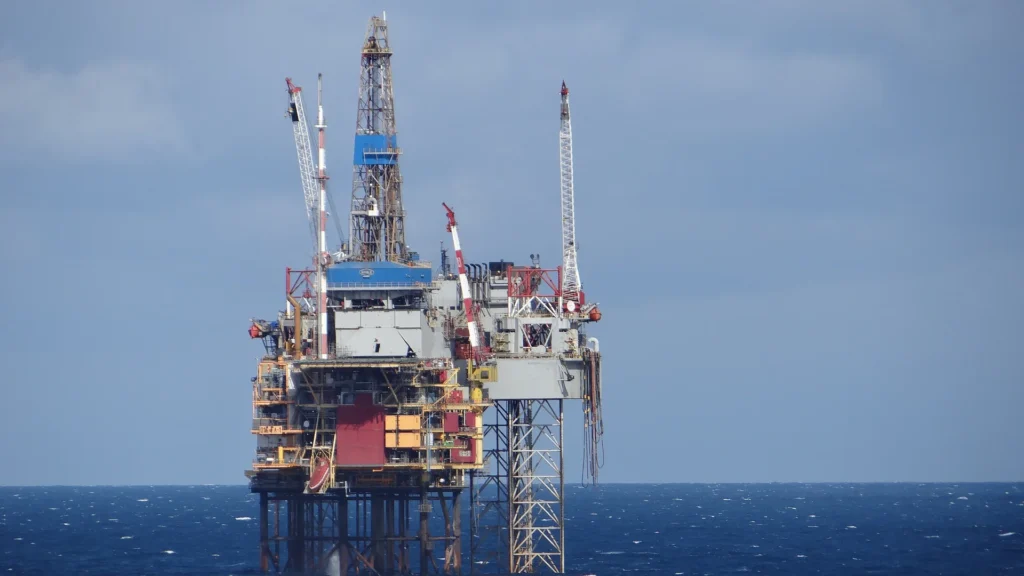
Rosebank, about 130 kilometres north-west of Shetland in water 1,100 metres deep, is the largest undeveloped oil field in British waters. Operated by the Norwegian energy company Equinor, it holds an estimated 300 million barrels of recoverable oil. Most of the oil it produced would be exported.
The field has been through the courts already. In January 2025 the Court of Session in Edinburgh ruled that the original approval for Rosebank, and for the smaller Jackdaw gas field, had been unlawful, forcing the operators to seek fresh permission before any oil can be pumped.
Why Jackdaw was different
Fahnbulleh approved Jackdaw in October, but campaigners and the MPs behind the letter say Rosebank is a different proposition. Jackdaw is a gas field; Rosebank is far larger, and its oil would mostly be shipped abroad rather than used at home.
Fookes said concern about the project was widespread across the parliamentary party. “Some 92 people have signed our letter, and there are more who are worried about Rosebank who haven’t signed it,” she said. The letter warns that approving the field “risks becoming an irreversible ‘point of no return’ for the party’s climate credibility”.
Opposition has nearly doubled in a month, from around 50 MPs at the start of November. Among the signatories are Jeevun Sandher, a parliamentary aide to Fahnbulleh herself, and Brian Leishman, the MP for Grangemouth. More than one ministerial aide is said to be considering resigning if the project goes ahead.
The case for drilling
On the other side, Chancellor John Healey and many Scottish MPs are pressing for approval, backed by trade unions and the oil industry. They argue that tens of thousands of jobs depend on the field going ahead, and that blocking it would simply increase Britain’s reliance on imported oil produced with higher emissions elsewhere.
Harriet Cross, the shadow secretary of state for Scotland, called the rebellion “ludicrous”. Stopping Rosebank, she said, “isn’t going to make one drop of difference to the amount of oil we use”.
The row also cuts against a promise Labour made before the 2024 election not to grant new licences for North Sea oil and gas. Some MPs are worried about the prime minister’s wider record on the environment, pointing to the decision to drop a pre-election promise to ban foie gras imports and to water down electric vehicle targets.
What happens next
The decision now sits with Fahnbulleh, and the letter has made it a public test of the government’s direction. If she approves Rosebank, she risks resignations from her own junior ranks. If she blocks it, she faces a clash with the Treasury, Scottish MPs and the unions, and with an industry warning that Britain will import 80% of the oil and gas it needs if North Sea fields are not replaced.
Either way, the rebellion has already changed the politics of the decision. What began as a planning question about one field off Shetland is now the first big internal fight of Burnham’s premiership. UK net migration has fallen to its lowest level since 1997 in another headache for the government. The UK is bringing stalking under a single new offence in a separate reform announced this week.