
Twelve First Nations Buy Stake in Coastal GasLink Pipeline
Last Updated on November 27, 2026 7:51 am by Usman
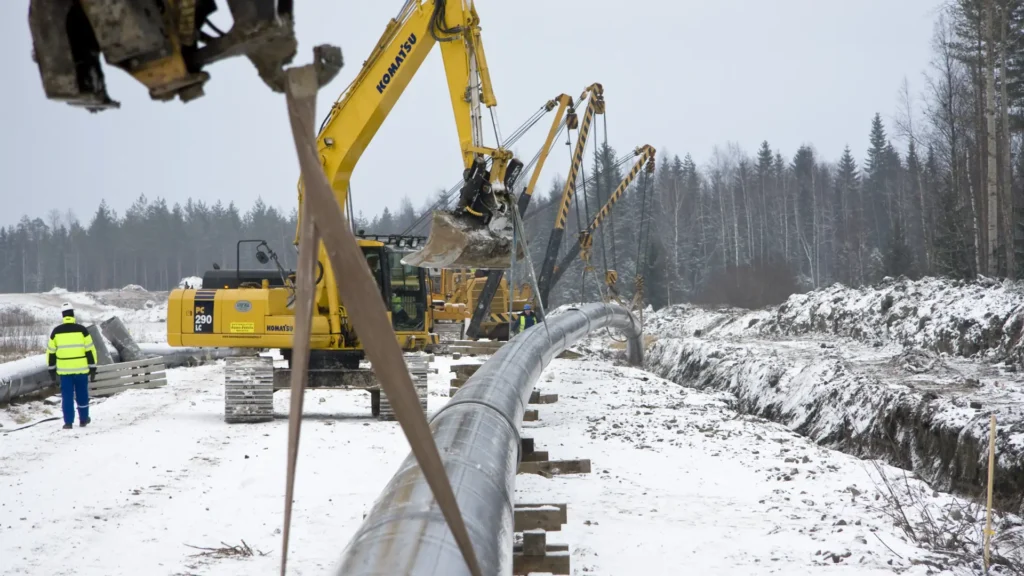
Twelve First Nations in northern British Columbia have closed a deal to buy a stake in the Coastal GasLink pipeline, the 670-kilometre conduit that carries natural gas to Canada’s first liquefied natural gas export terminal. The purchase, announced on Thursday, was backed by a federal loan guarantee of about 168 million dollars.
The investment was made through the CGL First Nations Limited Partnership, an Indigenous-led entity representing the 12 nations along the pipeline corridor. The group has bought an 11 per cent interest in the entity that holds TC Energy’s 35 per cent stake in Coastal GasLink, which works out to an indirect interest of about 3.85 per cent in the pipeline itself.
The financing was enabled by the Canada Indigenous Loan Guarantee Corporation, which issued the guarantee through Ottawa’s 10-billion-dollar Indigenous Loan Guarantee Program. The program helps Indigenous groups borrow at lower cost to buy equity in major projects, and this is the fifth transaction the corporation has closed since it was set up in 2024.
The deal in numbers
Coastal GasLink is one of Canada’s most important energy assets. The pipeline runs from Dawson Creek in north-eastern British Columbia to the LNG Canada facility in Kitimat, on the Pacific coast, where the gas is liquefied and shipped to markets overseas. It carries 2.1 billion cubic feet of natural gas a day, and it is operated by TC Energy.
With this deal, 17 First Nations now hold an economic stake in the pipeline. TC Energy and the Indigenous groups together hold a collective 35 per cent interest in Coastal GasLink, with the American investment firm KKR and the Alberta Investment Management Corporation owning the rest.
The 12 nations in the partnership are the Cheslatta Carrier Nation, Kitselas First Nation, Lheidli T’enneh First Nation, Nadleh Whut’en First Nation, Nee Tahi Buhn Indian Band, Saik’uz First Nation, Skin Tyee Nation, Stellat’en First Nation, Ts’il Kaz Koh First Nation, Wet’suwet’en First Nation, Witset First Nation and Yekooche First Nation. All 12 sit along the pipeline corridor, and all will now share in the revenue it generates.
How the guarantee works
The loan guarantee is the key that unlocked the deal. Without it, borrowing the money to buy into a pipeline of this scale would have been far more expensive for the First Nations, and in some cases out of reach. The federal program, delivered by the loan guarantee corporation, is designed to close exactly that gap, letting Indigenous communities buy ownership in the major projects that cross their territories.
Kristan Straub, the corporation’s president and chief executive, said the organisation was proud to support the partnership on what she called a milestone, as the nations strengthened economic self-determination and generated prosperity for their communities and future generations. National Bank of Canada Capital Markets acted as financial adviser to the partnership, with Gowling WLG and Aird and Berlis as legal counsel.
This is the second of two Indigenous investment transactions in Coastal GasLink. The other, announced by TC Energy on 13 October, saw a group representing five First Nations invest 65.3 million dollars of its own funds in the company’s Coastal GasLink subsidiary. Together, the two deals mark a significant shift in who owns a share of Canada’s energy infrastructure.
The 12 nations behind the deal
For the communities involved, the investment is about more than a return on capital. Ownership brings a seat at the table on a project that runs through their lands, and a lasting source of revenue that does not depend on government funding. It is the model the federal loan guarantee program was created to support, and its fifth completed deal suggests the model is gaining momentum.
Whether it becomes the standard for major projects in Canada will depend on how these early deals perform, but for the 12 nations that closed this week, the pipeline is now partly theirs. OPEC+ is expected to roll over its oil output targets for the first quarter of 2027, while the Houthis have claimed a strike on the Ras Tanura oil terminal.