
Bombay HC Lets Tata Sons Board Meet Go Ahead on November 30
Last Updated on November 28, 2026 6:51 am by Sara
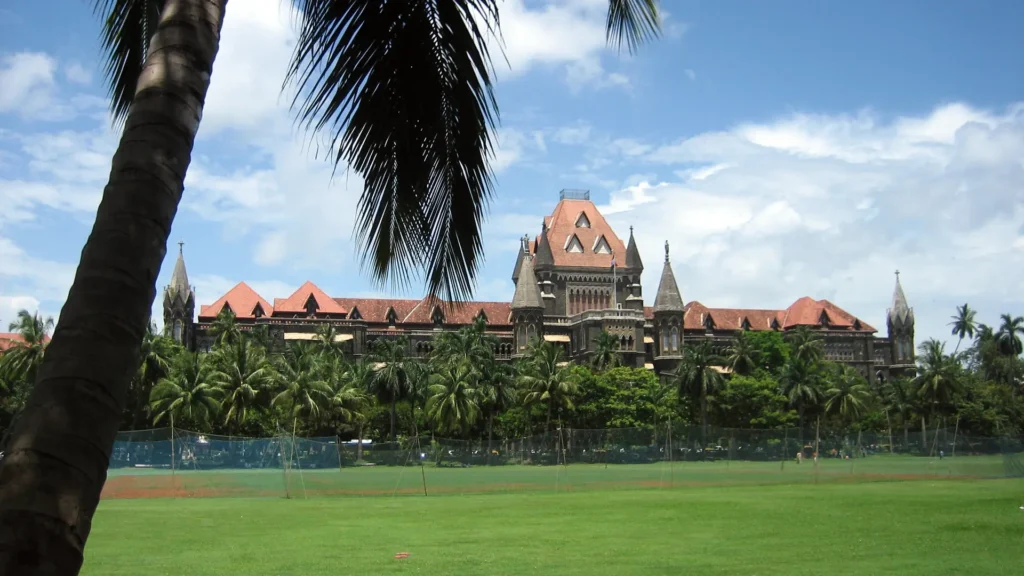
The Bombay High Court has refused to halt Tata Sons’ board meeting scheduled for 30 November, dealing a setback to the Tata Trusts in their bitter fight over the reappointment of N. Chandrasekaran as the group’s chairman.
Justice Abhay Ahuja declined on Friday to grant any interim relief to the two trusts — the Sir Dorabji Tata Trust and the R. D. Tata Trust — which together hold a 66% stake in Tata Sons and had asked the court to stay or defer the meeting. We are not granting any relief today, the judge said. Let the meeting go on as per schedule. Any outcome of the meeting would be subject to our final orders.
The trusts are challenging a board resolution passed on 17 September that reappoints Chandrasekaran as executive chairman for a third five-year term, starting 21 February 2027. The resolution passed by four votes to one, with acting chairman Harish Manwani casting the tie-breaking vote after Chandrasekaran himself abstained. The trusts say the resolution was pushed through improperly and have also sought 65 crore rupees in damages — 50 crore for the Sir Dorabji Tata Trust and 15 crore for Ratan Tata’s trust.
The affirmative vote at the heart of it
At the centre of the dispute is the trusts’ affirmative vote — a special right, upheld by the Supreme Court, that lets the trusts’ nominee directors block certain board decisions. The trusts argue that their nominee, Noel Tata, voted against the reappointment, and that the board then went ahead anyway, treating the affirmative vote as meaningless.
Appearing for the Sir Dorabji Tata Trust, senior advocate Abhishek Manu Singhvi told the court that if the 30 November meeting followed the same pattern, the affirmative vote would be useless. He asked the court to stay or defer the meeting, or at least to stop the company from ignoring the affirmative vote if the board split evenly again. The trusts also wanted Chandrasekaran barred from using his casting vote as chairman if the directors were tied.
For Tata Sons, senior advocate Harish Salve opposed any delay, pointing to a Reserve Bank of India directive that sets a 12 December deadline for the company to state its position on the central bank’s listing rules. Singhvi countered that the company was using the RBI deadline to manufacture urgency and push the meeting through.
The court sided with Tata Sons for now, but it gave the trusts something too: every decision taken on 30 November will remain subject to the court’s final verdict, and the next hearing is set for 21 January 2027. The company and the other respondents, including six directors, have been told to file their reply affidavits by then.
What the meeting will decide
The 30 November meeting is the first board meeting since 17 September, and its agenda goes well beyond the chairmanship. Directors are expected to discuss the RBI’s listing directive, the monetisation of the Shapoorji Pallonji Group’s stake in Tata Sons, and the convening of an extraordinary general meeting of shareholders.
A fight that has been building
The dispute has been building for months. A Charity Commissioner order has already stalled joint representation of the trusts at the company’s annual general meeting, adding another front to the legal battle. Friday’s hearing, which ran for more than three hours, featured some of India’s most prominent lawyers: Singhvi for the Sir Dorabji Tata Trust, Aspi Chinoy for the Ratan Tata Trust, Janak Dwarkadas for Noel Tata, and Salve for Tata Sons.
For Chandrasekaran, who has led the group since 2017, the court’s refusal to intervene is a relief — the meeting goes ahead, and his third term remains on track for now. For the trusts, which own two-thirds of the company but find themselves fighting its board in court, the order is a reminder that owning the shares and controlling the boardroom are two different things. Tata Trusts challenged Chandrasekaran’s reappointment in court, while Trabuco accepted Brazil’s finance minister role — and in Mumbai, a board meeting that one side tried to stop will now go ahead on Monday.