
South Korea Repatriates Six North Koreans by Sea, One Stays
Last Updated on November 28, 2026 5:15 am by Hafiz
Six North Koreans have sailed home across the world’s most heavily guarded maritime border, after their fishing boat was found drifting helplessly in the open sea earlier this month — while a seventh crew member chose to stay behind and start a new life in the South.
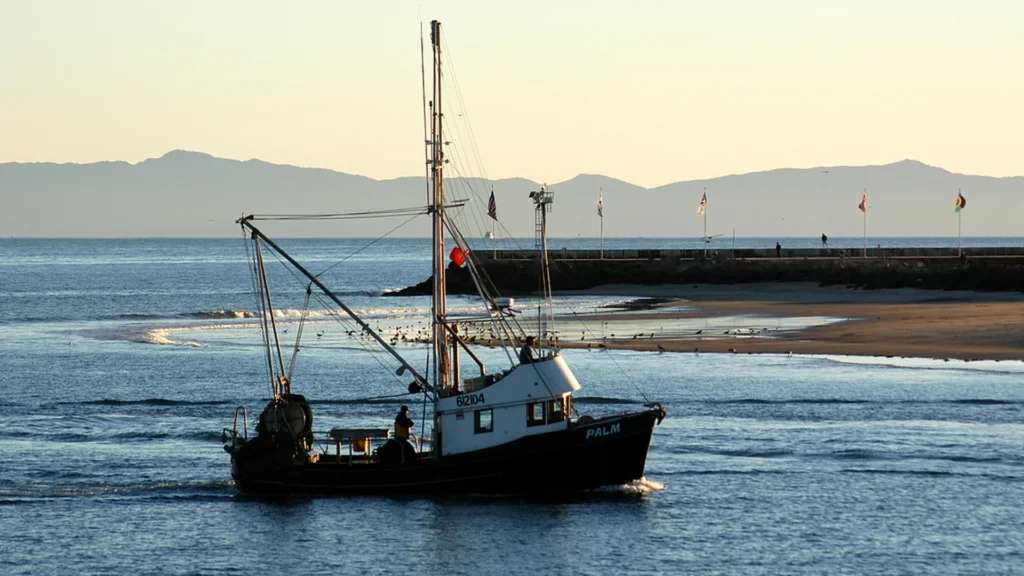
The repatriation took place on Friday morning, when the wooden fishing boat crossed the Northern Limit Line, the de facto sea border between the two Koreas, under its own power at 8:33am local time. A North Korean vessel was waiting on the other side to meet it, South Korea’s Unification Ministry said.
The boat had been found on 3 November, drifting in international waters near Ulleung Island, a small South Korean island about 120 kilometres off the east coast. South Korean military and coast guard vessels towed it to safety, and the seven men aboard were brought ashore for questioning.
Three weeks of checks
What followed was nearly a month of careful checks. South Korean officials, working with the United Nations Command, the body that oversees the armistice, interviewed each of the seven men to establish what they wanted. Six said they wanted to go home. One said he wanted to stay.
The ministry said the six were sent back on humanitarian grounds, once their wishes had been confirmed. The seventh will now be protected as a North Korean defector, a status that brings government support, housing and help finding work in the South.
The case follows a pattern South Korea has used for years. North Koreans found at sea who say they want to return are sent back, usually by boat across the maritime border. Those who say they want to stay are allowed to remain and are given defector status. The process is slow and deliberate, because a wrong decision can have serious consequences for the people involved and their families back home.
A rare human moment
The repatriation stands out because it is one of the few direct human contacts between the two Koreas in a year defined by confrontation. The two countries remain technically at war, and the border between them is one of the most fortified places on earth.
Ulleung Island, where the boat was found, sits in the East Sea, also known as the Sea of Japan. Its waters are fished by boats from both Koreas, and vessels do occasionally drift across the invisible line that separates them, usually because of engine trouble or bad weather. In most cases the crews are rescued, questioned and then either sent home or allowed to stay, depending on what they ask for.
The Unification Ministry gave no details about the men themselves — not their names, their ages or where in North Korea they came from. That is standard practice: identifying them could put their families at risk. It also said nothing about what the boat had been doing before it drifted, or how long it had been at sea before it was spotted.
Against a tense backdrop
The quiet handover comes at a tense moment on the peninsula. North Korea has spent the year testing missiles and tightening its military ties with Russia, while South Korea has been working to strengthen its alliance with the United States and keep communication channels with Pyongyang open where it can.
For the six men who went home, the journey ends where it began, in the North. For the seventh, it ends somewhere entirely new. He will now go through the defector resettlement programme, which includes months of orientation at a government facility, followed by help with housing, education and finding a job.
South Korea does not publish figures for how many North Koreans it repatriates each year, and cases like this one are usually only confirmed after they are over. North Korea recently halted missile shipments to Russia after a diplomatic row, while it also ordered a Swiss diplomat out of the country in a sanctions dispute — but on Friday morning, on a grey stretch of sea off the Korean coast, the two countries managed something they rarely manage at all: a handover that went exactly as planned.