
US Airlines Shrink As Spirit Folds And Big Four Dominate
Last Updated on November 29, 2026 12:37 am by Muhammad
America’s airline industry is shrinking. Since last year’s holidays, discount carrier Spirit Airlines has gone out of business, and budget airline Allegiant has completed its purchase of rival Sun Country, in the latest wave of consolidation to reshape US aviation.
The changes come as Americans crowd airports for the busy Thanksgiving travel weekend, and they raise serious questions about competition, ticket prices and the future of affordable air travel in the United States.
Spirit is gone
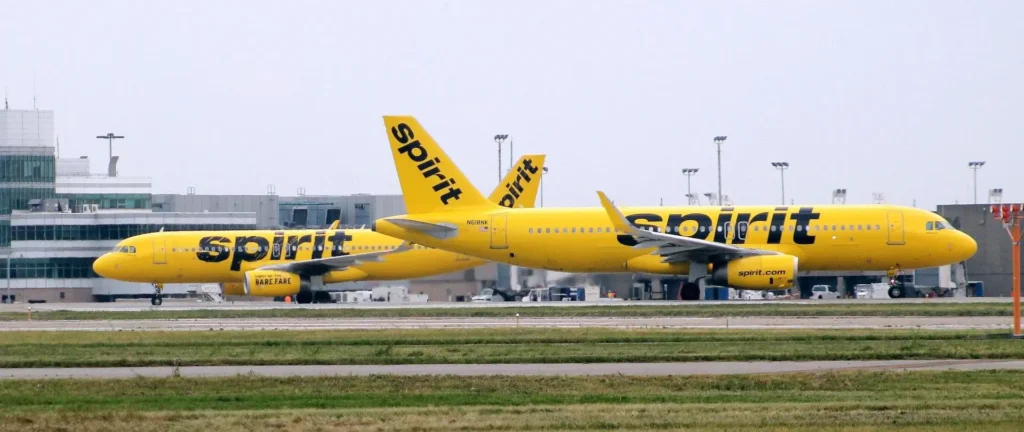
Spirit Airlines, a pioneer of low-fare flights in America, stopped flying on May 2, 2026. The carrier had been a fixture of the budget market for decades, selling rock-bottom base fares and charging for everything else, from bags to seat selection. Its disappearance removed an established low-cost competitor from the market.
Spirit’s end had been coming for some time. Frontier, another discount carrier with financial troubles of its own, tried to merge with Spirit back in 2022, only to be outbid by JetBlue. That deal was then blocked by a federal judge on antitrust grounds, even though the combined airline would still have been relatively small compared with the four largest carriers.
Even after it stopped flying, Spirit was still filing employment reports with the federal government, listing 66 employees for its wind-down in September. But for passengers, the airline is gone, and with it, one more independent option for cheap fares.
Allegiant absorbs Sun Country
The other big move of the year came when Allegiant closed its purchase of Sun Country on May 13, 2026. The two budget operators now belong to a single company, although they still fly as separate airlines while they wait for a single operating certificate from the Federal Aviation Administration.
The deal was completed with little fanfare, but it matters. Allegiant and Sun Country served overlapping leisure markets, and their combination removes another independent competitor from the budget end of the market, where choice was already thin.
Smaller carriers have been combining for years. Alaska Air purchased Hawaiian Airlines and Virgin America in recent years, reducing the number of airlines running between Hawaii and the mainland, as well as up and down the West Coast.
Four giants, 80 percent of seats
The trend of consolidation over the past quarter of a century has created four mega-carriers that provide about 80 percent of the available domestic seats, according to data from aviation analytics firm Cirium. Those four, United, Delta, American and Southwest, were formed from a dozen carriers, including long-established brands such as TWA, Northwest and US Air.
With the four major airlines controlling so much of the market, there is far less competition on airfare prices than there used to be, said William McGee, a senior fellow for aviation at the American Economic Liberties Project, a public interest group opposed to mergers. A Government Accountability Office report earlier this year concluded that, at least in the short term, passengers lose when airlines merge.
The numbers back up the concern. US airfares increased 22 percent year over year in September, according to the Consumer Price Index, and there are now only 24 scheduled passenger airlines in the country, according to federal employment filings. For travellers, the era of the scrappy budget challenger is fading, and the giants are getting bigger, even as Wall Street capped its best Thanksgiving week since 2008 and American Airlines jets clipped wings at Reagan National. Aircraft makers are also feeling the pressure, as Embraer warned US aircraft tariffs could push airfares higher.