
Kenya Bans Traditional Settlements in Sexual Offence Cases
Last Updated on November 27, 2026 11:37 am by Janson
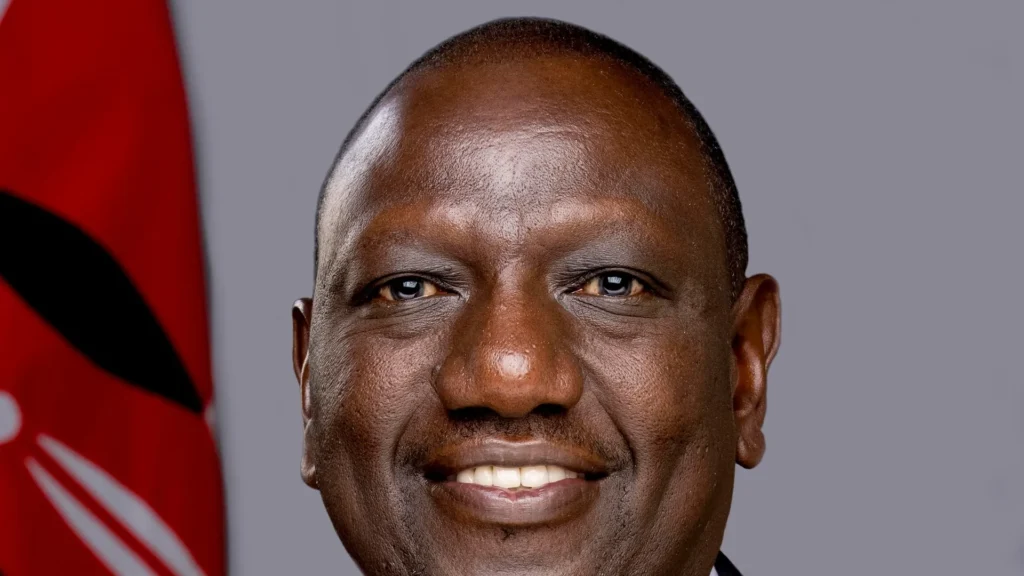
President William Ruto has signed a law banning the use of traditional settlements to resolve sexual offence cases in Kenya, closing a loophole that campaigners say allowed perpetrators to escape prosecution.
The Sexual Offences (Amendment) Act, 2025, was among six bills Ruto assented to at State House in Nairobi on Thursday. From now on, every sexual offence case must go through the formal court system. Agreements reached outside the courts — including settlements under traditional practices such as maslaha — are now void.
What the law changes
The new law does more than close the settlement route. It prohibits the withdrawal of a sexual offence complaint through coercion, intimidation or inducement of the victim, and it bars courts from discontinuing proceedings solely because the parties have reached an out-of-court settlement. The Director of Public Prosecutions is also barred from withdrawing cases on the basis of agreements reached through traditional dispute resolution.
Cases must also move faster. The law requires sexual offence trials to be heard day to day and concluded within six months from the date a plea is recorded, a sharp change from a system where cases can drag on for years. The aim, officials said, is to strengthen access to justice for survivors and stop delays from being used as a weapon against them.
Why it was needed
Traditional dispute resolution has deep roots in parts of Kenya, where elders and family forums have long settled disputes, including serious crimes, through compensation and reconciliation. In sexual offence cases, that has often meant a victim’s family accepting payment while the accused walks free — and, campaigners say, victims being pressured into silence.
The bill was sponsored by Garissa County Woman Representative Udgoon Siyad Kuno and passed by the National Assembly on 4 November. It rests on the Constitution: Article 159 allows traditional dispute resolution, but only where it does not contravene the Bill of Rights or offend justice and morality. The new law draws that line expressly at sexual offences.
Survivors’ groups have long argued that the old system failed twice over: first when a case was settled quietly, and again when the threat of a settlement was used to pressure victims into dropping complaints. The new law makes that pressure itself an offence, and it puts the courts — not elders or family forums — in charge of deciding what happens next.
A package of reforms
Ruto also signed a second sexual offences bill, the Sexual Offences (Amendment) Bill, 2023, which focuses on prevention and public awareness, and four other bills covering breastfeeding rights, public service pensions, environmental professionalism and regional development financing. The sexual offences amendment takes effect once it is published in the Kenya Gazette. The amendment rests on Articles 50 and 159 of the Constitution, which guarantee the speedy administration of justice and set out how justice is administered — including the limits on traditional dispute resolution.
Whether the law changes outcomes on the ground will depend on enforcement — on police stations, prosecutors and courts treating the new rules as binding, and on victims feeling safe enough to report. But as a statement of principle, the message is unambiguous: in Kenya, a sexual offence can no longer be settled out of court. Kenya’s courts have been in the spotlight before, with the conviction of cult leader Paul Mackenzie, while in neighbouring Zimbabwe, an arrest warrant has been issued for the son of Robert Mugabe.