
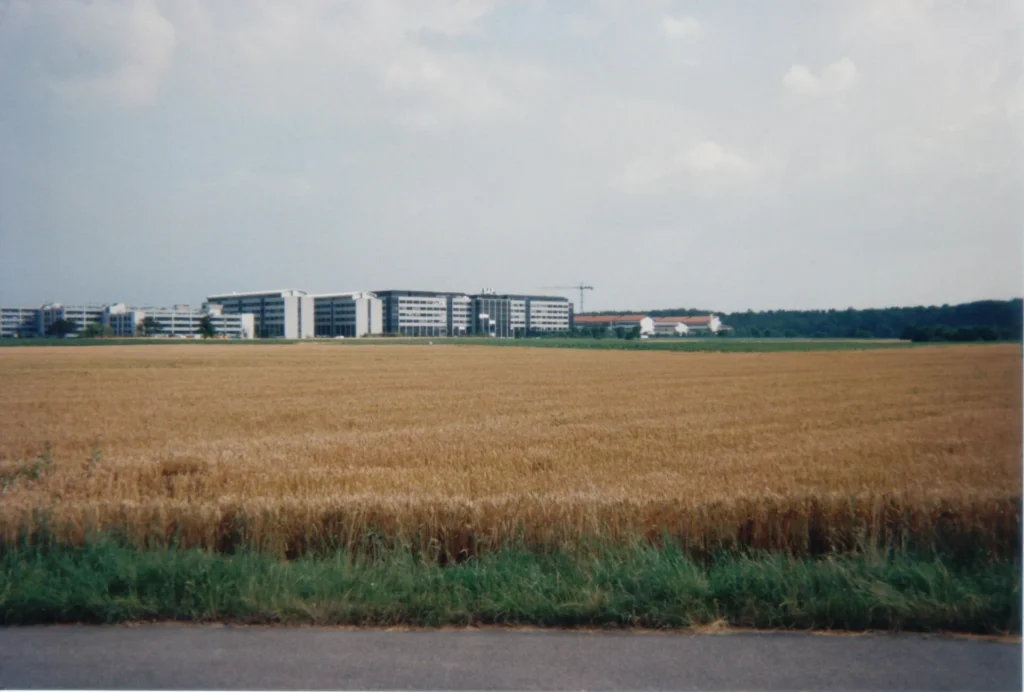
SAP Considers Cutting 10,000 Jobs in AI-Driven Overhaul
Last Updated on November 27, 2026 6:02 am by Ayesha
German software giant SAP is considering cutting at least 10,000 jobs as part of a sweeping restructuring aimed at turning the company into an AI-first business, according to a Bloomberg report published on Thursday. The cuts would affect at least 9 percent of SAP’s global workforce of more than 110,000 people.
The plan has not been finalised, and the final number of jobs affected could change after negotiations with employee representatives. SAP has declined to confirm whether it plans any job cuts, and Reuters said it could not independently verify the report. But the scale of the reported plan underlines how aggressively Europe’s most valuable technology company is moving to reshape itself around artificial intelligence.
What Bloomberg reported
Bloomberg, citing people familiar with the discussions, reported that SAP is preparing to eliminate at least 10,000 positions worldwide. Every department has been asked to identify potential areas for reductions, with product and engineering and sales particularly in focus. The restructuring is aimed at reorganising how SAP develops and sells its software, putting artificial intelligence at the centre of both.
The reported cuts would be the second major restructuring of around 10,000 roles at SAP in less than three years. In 2024, the company began a programme that affected about 10,000 positions and cost approximately 3.2 billion euros, largely because of severance payments and other employee-related expenses. That programme took more than a year to complete.
SAP’s workforce is spread around the world, with the largest group in Germany. The company’s labour council in Germany secured a job guarantee this year that lasts through 2028, and the reports do not say how that guarantee would shape the new plan, or how many roles in the United States or other countries are under review.
Why Klein is pushing AI first
The restructuring follows a push by chief executive Christian Klein to turn SAP into an AI-first company, embedding artificial intelligence more deeply into its enterprise software and changing how the company develops and sells its products. According to Bloomberg, earlier AI products ran into problems with customers, and Klein now wants AI tools built into SAP’s applications so that customers can complete certain tasks with less manual work.
Klein has already reshaped the leadership team to match the strategy. SAP reorganised its executive board twice this year to promote the AI push, and two of its six board members will leave in March: product chief Muhammad Alam is not renewing his contract, and sales chief Thomas Saueressig said last week he is leaving to become chief executive of Ionos. Klein has absorbed most of the product chief’s job himself.
The logic is familiar across the technology industry. Software companies that once sold licences and charged for implementation work now want to sell AI features that automate the work their customers used to do by hand. That shift needs fewer people in some roles, and different skills in others, which is why restructuring so often follows an AI strategy announcement.
A familiar scale of cuts
If the reported figure holds, the new round would match the 2024 programme almost exactly in size. That earlier restructuring was one of the largest in SAP’s history, and it was presented at the time as a one-off shift towards AI. The fact that a similar number is being discussed again less than three years later shows how quickly the AI transition is moving, and how much pressure even the most successful software companies feel to keep cutting costs as they rebuild.
For SAP’s employees, the uncertainty is the hardest part. The plan is still being discussed, the number is not final, and negotiations with employee representatives could still change it. AI agents have already been used to attack a university server, showing how fast the technology is spreading beyond the companies that build it, while a shortage of memory chips has pushed hardware prices up across the industry. SAP’s reported cuts are the other side of the same story: as AI reshapes the technology business, the people who build and sell the software are being reshaped with it.