
Serbia Calls Early Presidential Election for December 27
Last Updated on November 26, 2026 6:27 pm by Janson
Serbia will hold an early presidential election on Sunday, 27 December, after the country’s acting president signed the order on Thursday, setting up a vote that will test whether the student movement that swept October’s parliamentary election can now win the presidency too.
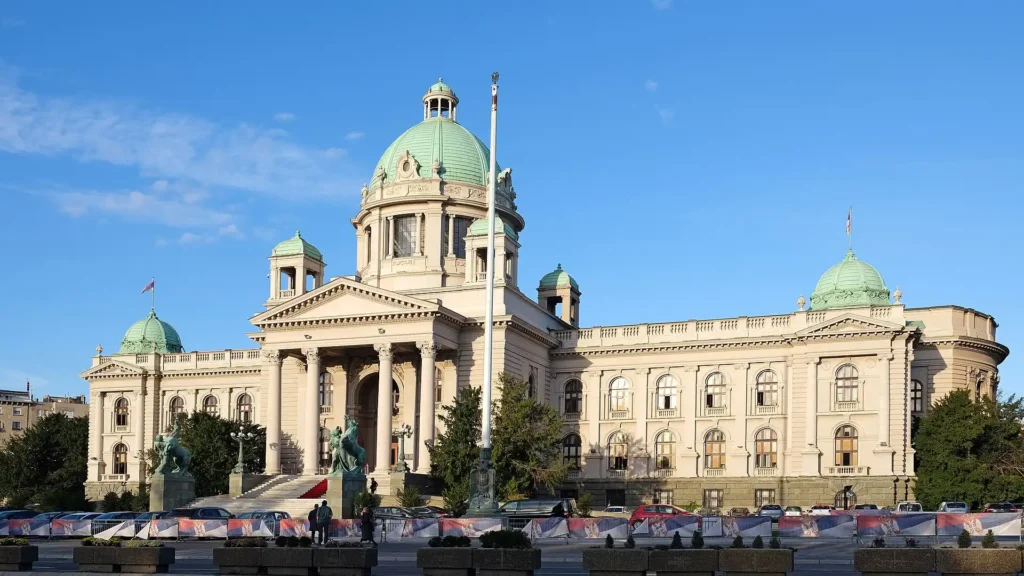
Aleksandar Cupic, speaker of the National Assembly and acting president, signed the decision at noon in the central hall of the parliament building in Belgrade. “I call all citizens of Serbia to show responsibility and come out and vote on December 27,” he said after signing.
The vote comes just over two months after the early parliamentary election of 25 October, in which a list backed by the student protest movement won 140 of the 250 seats in a landslide defeat for the party that had ruled Serbia for 14 years.
Why Serbia is voting early
The presidential election was forced by the resignation of Aleksandar Vucic, who had been president since 2017 and was re-elected in 2022. He stepped down on 27 September, before the end of his second term, because the constitution barred him from seeking a third. He resigned in order to lead the list of his Serbian Progressive Party as its candidate for prime minister in the snap parliamentary election.
That gamble failed. The student-backed list, born from the long-running protest wave against corruption, won decisively, ending nearly a decade and a half of dominance by Vucic and his party. Vucic had ruled virtually unchallenged for 14 years, first as prime minister and then as president.
After his resignation, Ana Brnabic, then president of the National Assembly, took over as acting president. Cupic became acting president on 19 November, after he was elected speaker of the new assembly. The law required the vote to be held by 27 December and called by 27 November, so Cupic’s decision came on the last practical day.
Who could stand
It is not yet clear who all the candidates will be. Two have already announced their candidacies: Branimir Nestorovic and veteran politician Bogoljub Karic. The Student List says it already has a presidential candidate, although it has not disclosed the name.
Vucic has suggested that his Serbian Progressive Party could sit out the election, but the final decision rests with the party’s bodies, which meet on 13 December. Candidates can be nominated by registered parties, coalitions or groups of citizens, and each candidacy requires at least 10,000 certified signatures of support. Nominations must be submitted to the Republic Electoral Commission no later than 20 days before the election.
The order of candidates on the ballot is determined by drawing lots. The winner must take more than half of the votes cast; otherwise a second round is held between the two candidates with the most votes. The new president will serve a five-year term, beginning upon taking the oath of office before the National Assembly.
What is at stake
The 27 December vote will be the first presidential election in Serbia without Vucic on the ballot in more than a decade, and its result will determine whether the post-Vucic transition produces a president aligned with the old ruling party or one drawn from the protest politics that has unsettled the country.
A victory for the student movement’s candidate would complete a remarkable political reversal: within three months, the movement would have gone from street protests to control of both parliament and the presidency. A win for a candidate backed by the old establishment would instead leave Serbia with a divided government, a parliament run by the protest movement and a president from the party it defeated.
Serbians will vote for a new head of state on the last Sunday of the year, closing a period of interim leadership that began when Vucic walked away from the presidency in September, in a week when courts elsewhere also reshaped politics, from a South African president winning an impeachment reprieve to Britain and the European Union publishing new treaties to cut costs.