
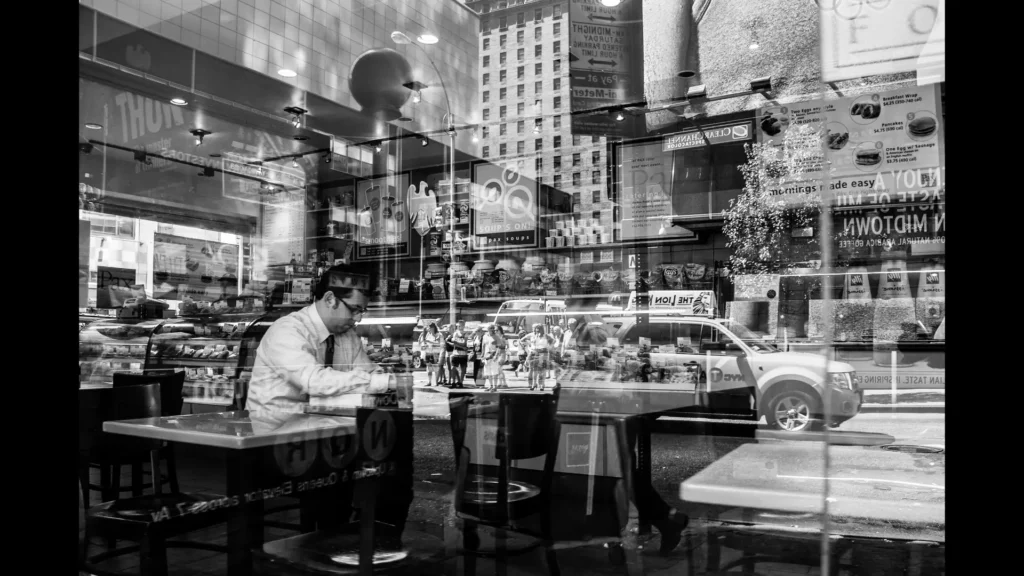
Solo Dining Is Becoming a Self-Care Trend, Restaurants Adapt
Last Updated on November 27, 2026 7:04 pm by Ayesha
Catherine Smith is perusing the menu at a high-end Mediterranean restaurant she has been excited to try. As she sips her rosé, she looks across at the empty seat opposite. Bliss. The 23-year-old from Yorkshire is dining alone, on purpose, and does it at least once a month.
Catherine is part of a growing trend of people booking tables for one, not because they are away with work but as a treat. I think what is so special about solo dining is that you don’t have to wait for people to make those plans, she says. You can go out and do them yourself. It definitely feels like not only a form of self-care but also a form of female liberation. She typically spends 100 to 200 pounds a meal, choosing high-end restaurants, where she likes to read, journal or enjoy the peace and quiet.
As food trends analyst Charles Banks puts it, eating alone is becoming an intentional act, a little pocket of independence, indulgence and self-care. Banks, joint managing director of The Food People, a food trends and ideas agency, says that while solo dining is not a new consumer behaviour, changes in society mean it has become almost aspirational.
The numbers behind the trend
Online booking platform OpenTable, which covers more than 5,000 restaurants in the UK, says solo dining makes up the smallest proportion of its bookings in the UK, but it is the fastest-growing category. Figures from 1 January to 31 August this year showed a rise of 23 per cent in solo bookings compared with the same period a year ago. The company did not provide the data to the BBC to verify, but the direction is clear.
The appeal is practical as well as emotional. Catherine began dining solo at university and now does it regularly, in the UK and abroad. She likes being able to pick a restaurant where she has not had to scour the menu to make sure it is suitable for her friends, many of whom are vegan or vegetarian, while she describes herself as quite a big meat eater. The freedom to choose feels empowering, she says.
Not every restaurant welcomes it
The trend is not universal, and solo diners still hit barriers. SoloTable, a website that helps identify restaurants suitable for solo diners, found that one in eight of 178 restaurants it surveyed in London did not accept online reservations from solo diners. Catherine says she has sometimes been turned away. Nishi Singh was an avid solo diner when she lived in London, but found it was not widely accepted after moving to Delhi. Someone approached me and said that they assumed I had been stood up, she told BBC World Service’s The Food Chain podcast. She was shocked to hear it was not really something people do there.
Some restaurants are now designing for the solo diner rather than tolerating them. Jungli, an Indian restaurant in Newcastle upon Tyne, is working to attract solo diners, and its co-founder and director, Yousaf Khalid, has included high tables and bar seats in his recently opened restaurant. He thinks solo diners could produce another useful business stream for restaurants, and he is not alone: a table for one, once the hardest seat in the house to fill, is becoming a customer worth courting.
Why restaurants are paying attention
For the industry, the shift matters because solo diners spend differently. They book the restaurants they actually want, order what they want, and come back regularly. For the diners themselves, the appeal is simpler. A meal alone is a pocket of time that belongs entirely to them, and in a world of group chats and shared calendars, that is worth paying for. Centrica has warned that jobs are at risk at the Rough gas storage site, while the UK grid has set a record as cold-snap power alerts hit 60 million.