
US and Qatar Plan Bridge Loans to Unlock Venezuela Funding
Last Updated on November 27, 2026 8:25 pm by Usman
The United States Treasury and Qatar are working on separate bridge loans to help Venezuela clear billions of dollars in arrears owed to two regional development banks, a move that could reopen a source of financing the country has been locked out of for years. The arrangements, reported by Reuters on Thursday, would let Venezuela settle debts that currently prevent the lenders from extending any fresh credit.
Venezuela is one of the most indebted countries in the world, and its arrears to multilateral lenders have been a hard barrier to recovery. As long as the debts remain unpaid, the banks cannot lend, no matter how urgent the need. The bridge loans are designed to break that logjam: short-term money clears the arrears, the banks approve new loans, and the proceeds from those loans repay the bridge financing. Venezuela would ultimately remain responsible for the debt, but it would regain access to a lending channel that has been closed to it.
How the bridge loans would work
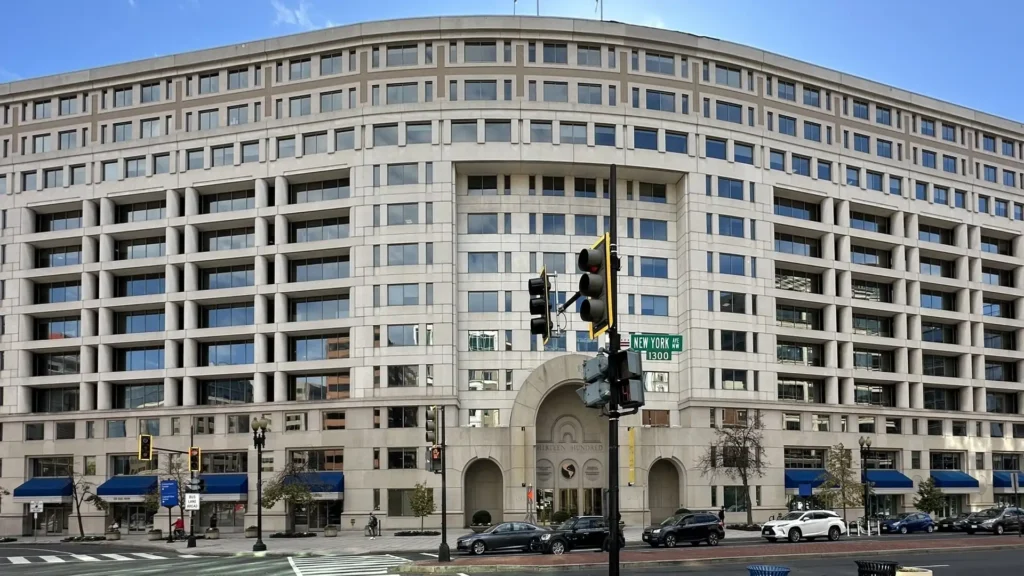
Under one arrangement, the US Treasury would provide a bridge loan to clear Venezuela’s arrears to the Inter-American Development Bank, the main source of long-term development lending in Latin America and the Caribbean. Two of the sources said the money would come through the Treasury’s Exchange Stabilization Fund. Caracas said in a document that it owed the bank 2.735 billion dollars in principal and interest as of the end of 2025.
Two sources likened the transaction to an overnight loan. Treasury funds would clear the arrears, allowing the IDB to approve new lending, and the proceeds of that lending could then be used to repay the United States. The IDB is already discussing possible loans, according to the sources, but an initial operation would need waivers, because it would exceed the bank’s 500 million dollar cap on this type of lending and because Venezuela has no programme with the International Monetary Fund, which the bank would normally require.
Separately, Qatar is considering a bridge loan to help Venezuela clear arrears owed to CAF, the Development Bank of Latin America and the Caribbean. Venezuela reported owing CAF 1.423 billion dollars at the end of 2025. Together, the two arrears total about 4.16 billion dollars, rounded to 4.2 billion in the Reuters report. Qatar has not agreed to the loan, and its decision remains open.
What Caracas owes
The bridge loans would only scratch the surface of Venezuela’s debts. The government this week put its public-sector liabilities at 237.5 billion dollars at the end of 2025, equivalent to 242 per cent of GDP, including 116.5 billion dollars in commercial debt and 67.3 billion dollars in non-financial obligations concentrated in the state oil company PDVSA. The country began restructuring the debt of the state and PDVSA in May, negotiating with creditors over new deadlines and reductions in the amounts owed.
Acting President Delcy Rodriguez said in early November that Venezuela was negotiating over about 17 billion dollars in financing, but on Tuesday she put the figure at 10 billion dollars, without explaining the change.
Why it matters now
The push comes as Venezuela tries to rebuild an economy battered by years of sanctions, mismanagement and the collapse of its oil industry. The IDB approved a plan on 13 November to return to Venezuela, its first such move since it stopped granting new loans to the country in 2018, and its experts are preparing projects to restore the electricity grid, public services and areas hit by earthquakes in June. But until the arrears are settled, the bank cannot grant new government loans, and the country has not yet received any money. If they go ahead, the loans would let the IDB and CAF start lending again. The question is whether the waivers can be agreed and whether Qatar signs on. Venezuela has put its public-sector liabilities at $237.5 billion in a new restructuring framework, while the United States pushed Venezuela and Iraq to consider leaving OPEC.