
Canada Hits Back at Pentagon: We Don’t Report to the US
Last Updated on November 27, 2026 10:36 am by Bilal
Canada has hit back at the Pentagon after the United States published a scathing memo accusing its northern neighbour of letting its military wither, with the country’s defence minister declaring that Ottawa does not answer to Washington.
“Canada is a sovereign nation. I’ll be very direct. We don’t report to the United States,” Defence Minister David McGuinty told reporters on Tuesday, a day after the Pentagon released a fact sheet titled “Canadian Defense Shortfalls”.
The document accused Canada of falling short as a “credible partner in the defense of our shared continent” and of lacking a credible, fully costed plan to meet NATO’s spending target. It said Canada had “yet to make the hard decisions and tradeoffs” necessary to meet defence pledges made almost twenty years ago.
What the Pentagon claimed
The Pentagon’s assessment was unusually blunt for a public document about an ally. It said it took Canada nearly two decades to finally reach spending promises made in 2006, “despite Canada’s role as a major G7 economy as well as one of the largest and wealthiest members of the NATO alliance”.
It also suggested Canada faces significant operational hurdles across its air, land and sea forces, blaming political leaders for pursuing “parochial economic and commercial interests over military optimization”. According to the Associated Press, the fact sheet said only 41.9 percent of Canada’s air force fleet and 53.9 percent of its naval fleet were serviceable in 2025-26, with army readiness at 48 percent.
The document said US Defence Secretary Pete Hegseth was “laser focused” on modernising Canada’s military, and accused Ottawa of relying for decades on American taxpayers to foot its defence bill. “Canada’s defense shortfalls speak for themselves,” it said. “Canada must get serious and focused.”
The Pentagon also criticised Ottawa’s review of its planned purchase of 88 American-made F-35 fighter jets, warning that operating a “mixed fleet” could worsen personnel shortages and create uncertainty for NORAD, the joint North American air defence command the two countries operate together.
Ottawa’s answer
McGuinty said he could not “divine” the thinking behind the Pentagon’s timing, and bristled at the suggestion that the memo implied Canada needed American approval for its spending plans.
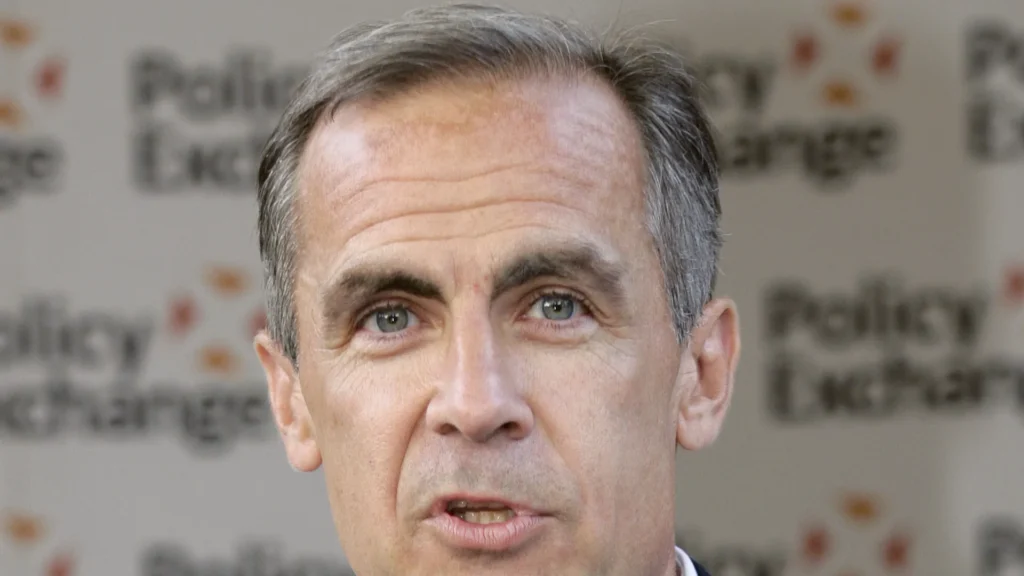
Prime Minister Mark Carney weighed in on Wednesday, saying President Donald Trump had not raised any concerns about Canada’s military with him directly. “The commander in chief of the US military is the president of the United States,” Carney said. “And I can assure you that in my discussions with the president of the United States we’re focused on conflict resolution around the world and he has not raised issues such as has been reported recently.”
Carney pointed to Canada’s NATO deployment in Latvia and cooperation with allies across the Arctic and Europe. “Canada is taking responsibility for our defense,” he said. “We’re at the front lines of NATO’s defense.” He also defended what he called historic military investments, including higher pay for Canadian service members.
The numbers support part of his case. Canada spent $63.4 billion in 2025, meeting its NATO pledge to spend 2 percent of gross domestic product for the first time. Carney ordered the F-35 review after Trump imposed tariffs, and his government is weighing whether to buy Swedish-made Gripen aircraft instead.
A classified memo behind the row
The Washington Post reported that Hegseth had also issued a classified memo restricting the US-Canada defence relationship, and Republican Senator Mike Rounds confirmed it exists, saying it limits meetings between senior officers to those that advance American objectives.
A senior US defence official warned at a background briefing for Canadian journalists that Washington was “postured to up the ante”, though Pentagon spokesperson Sean Parnell said the guidance does not affect defence intelligence cooperation, NORAD or NATO.
The row is the sharpest public clash between the two allies in years, and it comes as both countries rethink a defence partnership that has lasted for generations. Britain and the European Union have meanwhile published treaties aimed at cutting costs and red tape, and the Solomon Islands have signed a security treaty with Australia — signs that alliances everywhere are being renegotiated in a harsher world.