
Ukraine Secures Over $700m in NATO Funding for Air Defence
Last Updated on November 29, 2026 5:37 am by Muhammad
Ukraine has secured more than $700 million in additional funding through NATO’s PURL initiative to buy interceptors against Russian ballistic missiles, President Volodymyr Zelenskyy has announced.
The money was the headline result of the latest round of Ramstein-format talks, the 37th meeting of the Ukraine Defence Contact Group, held in Brussels on 17 November, followed by further meetings in Berlin and Oslo. Zelenskyy announced the packages on 25 November after a briefing from Defence Minister Yevhenii Khmara on the results of his trip. “Ramstein resulted in additional packages, including more than $700 million for the PURL initiative, specifically for interceptors against ballistic missiles,” he said.
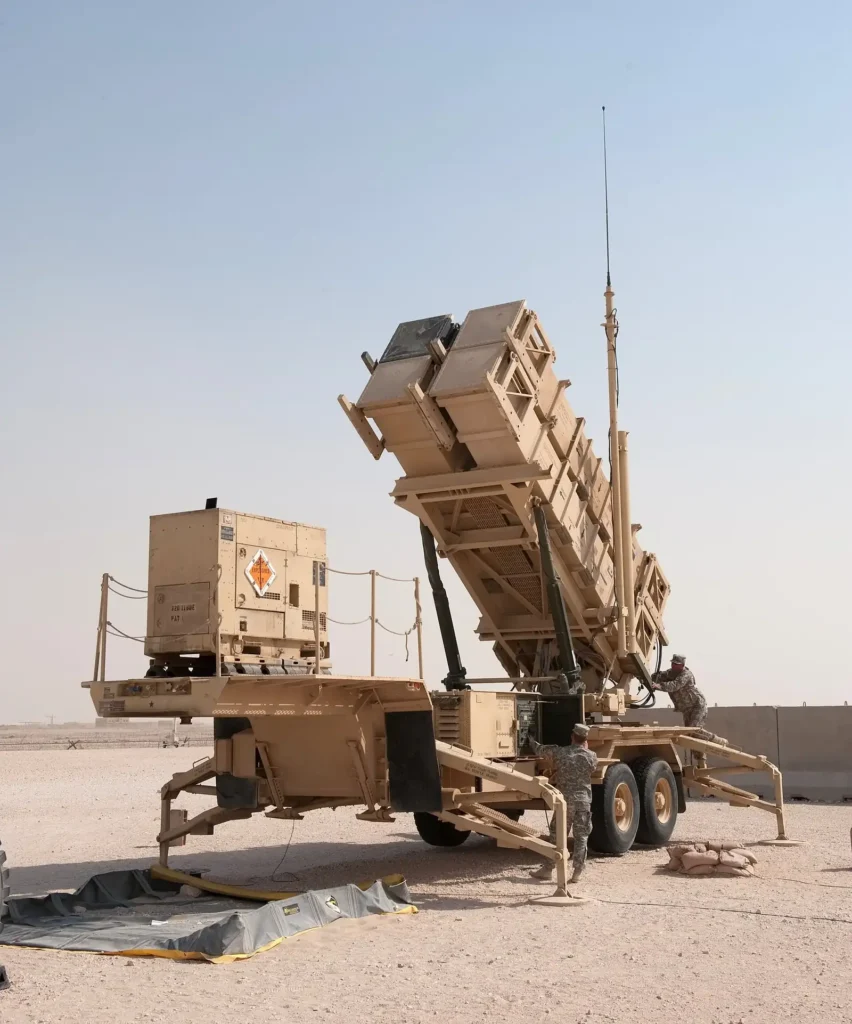
PURL, the Prioritised Ukraine Requirements List, was launched in July 2025 as a joint US-NATO scheme that lets allied countries pay for American-made weapons and equipment for Ukraine, based on a list of needs drawn up by Kyiv. In its first year, contributions reached nearly $7 billion, and the scheme now supplies around 95 per cent of the Patriot interceptors Ukraine receives, including PAC-3 missiles.
Who is paying
Germany and Norway are the biggest contributors to the latest round, each announcing $300 million for PURL. Norway’s wider package is worth about $800 million, including $150 million for air defence and $300 million for Ukrainian-made drones. Germany confirmed an earlier €1 billion package focused on air defence, including IRIS-T systems, radars and interceptor drones, and has agreed to take defence cooperation with Ukraine to a new level.
Other allies added their own pledges at the Ramstein meeting. Denmark confirmed €200 million for critical air defence systems and a new €645 million package for strike drones, including Ukrainian-made ones, F-16 munitions and interceptor drones. The United Kingdom pledged £240 million for air defence, including interceptors, lightweight multi-role missiles and radars. The Netherlands announced a €500 million winter package, and Belgium will deliver 10 F-16 fighter jets by the end of 2026.
The interceptor shortage
The money matters because Ukraine is running short of the missiles that stop Russia’s ballistic attacks. Patriot systems, armed with PAC-2 and PAC-3 interceptors, are among Kyiv’s most important defences against ballistic missiles, and the Financial Times reported on 24 November that about 60 Patriot interceptors already allocated to Ukraine were awaiting approval from the US Secretary of War, Pete Hegseth, before they could be transferred.
Washington has also approved a potential sale of 500 Patriot missiles worth $2.1 billion, which Canada, Germany and Norway are expected to finance. Ukraine’s defence ministry has separately approved a deal with NATO that would let Kyiv use EU loan money to buy American weapons through PURL, giving it another way to pay for the packages it needs most.
Looking to next year
Zelenskyy said the partners had now spelled out Ukraine’s defence priorities for next year: air defence, aviation, drones and electronic warfare. “This winter, our biggest priority is protecting the skies,” Khmara said, as Russia continues what he called its aerial terror against Ukrainian cities.
The funding lands as Europe argues over its own budgets. The EU has offered Ukraine a made-in-Europe deal on defence production, while Washington has shelved business deals with Russia as it presses for an end to the war. For Kyiv, the $700 million is not an abstraction. It is interceptors in the sky over its cities, and the difference between a missile stopped and a missile landing.