
Tetra Pak Ordered To Pay Record $74m In China Antitrust Case
Last Updated on November 29, 2026 6:25 am by Janson
China’s highest court has ordered global packaging giant Tetra Pak to pay about 492 million yuan, around 74 million dollars, to two Chinese rivals in the country’s largest antitrust damages award.
The Supreme People’s Court ruled on Friday that Tetra Pak’s business practices restricted competition in China’s liquid food packaging industry, sharply increasing the compensation previously awarded to the two companies. The judgment adds to a regulatory fine of about 668 million yuan imposed a decade ago.
Who gets what
Greatview Aseptic Packing will receive 466 million yuan, made up of 464 million yuan for losses and two million yuan for the reasonable costs of pursuing the claim. Shandong Newjf Technology Packaging, also known as Xinjufeng, was awarded 26.47 million yuan, including 25.67 million yuan for losses and 800,000 yuan for expenses.
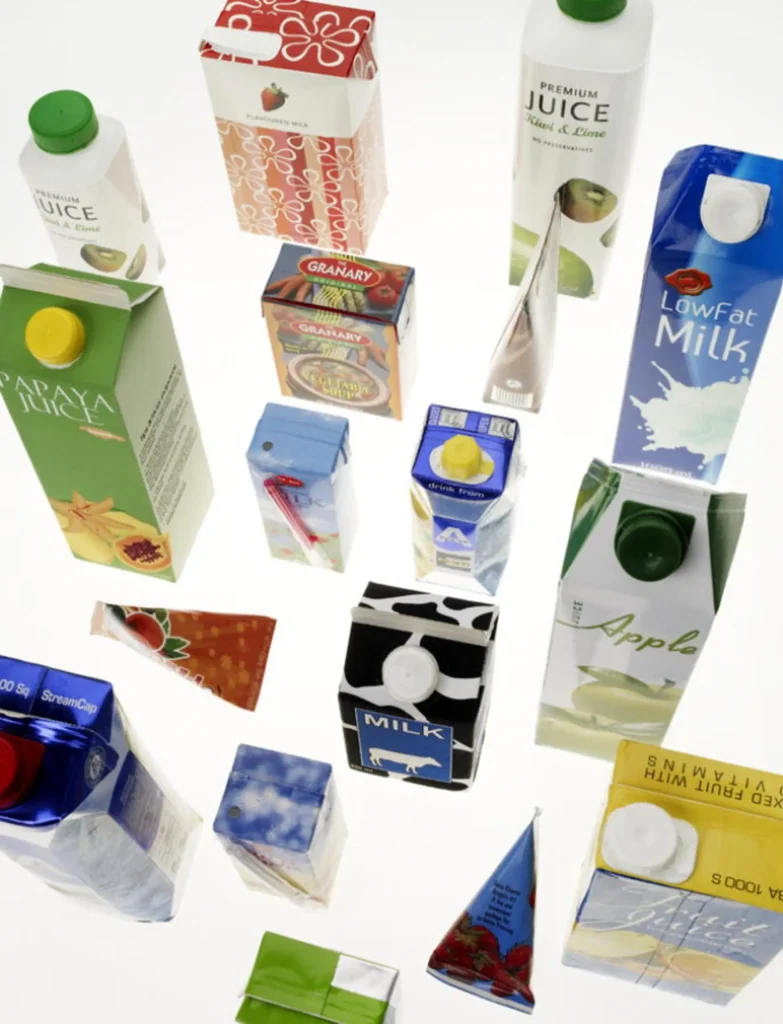
The two companies make aseptic packaging for liquid foods such as milk and fruit juice. Their cartons allow drinks to stay safe without refrigeration until they are opened, and they compete directly with Tetra Pak in a market the Swiss-headquartered company has long dominated in China.
The court announced the revised judgments in open court in Courtroom One of the Supreme People’s Court Intellectual Property Court, after explaining its main reasons. Both disputes grew out of findings that Tetra Pak abused a dominant position in mainland China from 2009 to 2013.
The conduct that shut rivals out
The case traces back to a 2016 decision by the former State Administration for Industry and Commerce, which investigated Tetra Pak for almost five years. The regulator found that the company held a dominant position in three markets: equipment for aseptic cartons made from composite materials with a paper base, the technical services supporting that equipment, and the packaging materials themselves.
It identified three connected practices. Tetra Pak restricted raw material suppliers from providing paper to its competitors. It tied purchases of packaging materials to the supply of its equipment or technical services. And it used loyalty discounts based on cumulative purchase volumes and personalised purchase targets.
The Supreme People’s Court found that the conduct had a clear market foreclosure effect. Competing suppliers were blocked from opportunities they would otherwise have had to win business, and the court connected that exclusion to reduced demand for competitors’ products and, in some cases, higher costs for those competitors.
A long road to the top court
Greatview filed its antitrust civil suit in May 2018 and Newjf followed in November 2019, seeking more than 468 million yuan and more than 125 million yuan respectively in damages and reasonable expenses. At first instance, the Beijing High People’s Court ruled in December 2023 that Tetra Pak should pay Greatview just over 40.43 million yuan and Newjf just over 1.69 million yuan.
All three sides appealed. The Supreme People’s Court has now raised the Greatview award more than eleven times, and the Newjf award more than fifteen times. In determining the compensation, the court examined economic evidence estimating how much market share Tetra Pak would have lost under competitive conditions.
What it means for business in China
The ruling shows that companies found to have engaged in monopolistic conduct in China can face civil damages as well as administrative fines. The 2016 penalty, worth about 97 million dollars at the time, was already the largest imposed by the regulator. The civil awards now dwarf it.
For multinational companies, the message is that historical conduct can carry a heavy price years later. Tetra Pak’s practices date back more than a decade, but the civil claims took eight years to reach a final judgment, and the bill has only grown with time.
The decision also underlines how China’s courts are developing antitrust law. The damages method set out in the judgment is likely to be cited in future cases, and other companies that dominate their markets will be watching closely, even as Black Friday online sales hit a record 13.1 billion dollars and US airlines shrink as Spirit folds and the big four dominate.