
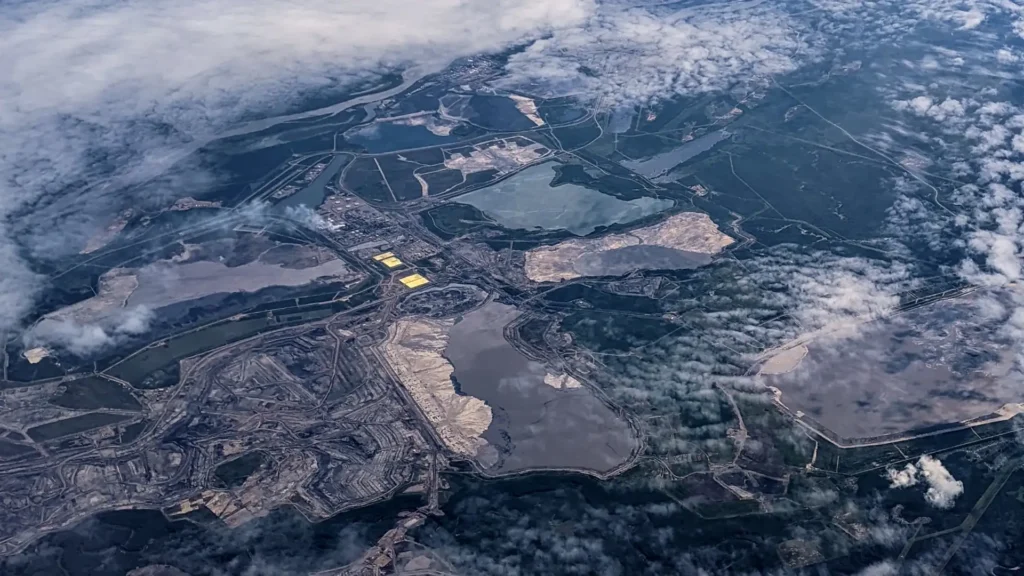
Alberta Sees $8.5 Billion Surplus as Oil Royalties Surge
Last Updated on November 27, 2026 12:59 pm by Bilal
Alberta’s finances have undergone a remarkable transformation, with the oil-rich Canadian province now forecasting an $8.5 billion surplus for the current fiscal year.
The second-quarter fiscal update, released on Thursday by Finance Minister Jason Nixon, represents a $17.9 billion improvement from the $9.4 billion deficit projected in February’s provincial budget. The government now expects total revenue of $93.1 billion for 2026-27, about $18.5 billion higher than originally budgeted, and says the province is on track to deliver its most consecutive and largest surpluses in nearly 20 years.
What drove the turnaround
Oil is the whole story. Non-renewable resource revenue is forecast at $28.6 billion, $15.4 billion above budget and $3.4 billion above the previous record of $25 billion set in 2022-23. The province has substantially revised its oil price assumption, raising its forecast for West Texas Intermediate, the North American benchmark, to an average of US$83.50 per barrel for the year, up from US$60.50 in the original budget.
The surge follows the sharp rise in oil prices earlier this year after the conflict between the United States and Iran began and disruptions affected shipping through the Strait of Hormuz, the vital waterway at the mouth of the Persian Gulf. Between July and September alone, the WTI price was pushed as high as US$106 per barrel and as low as US$68.50, and the province says every additional dollar in the average price brings its treasury an estimated $680 million.
The Fraser Institute calculated that the resource revenue windfall accounts for 86 percent of the $17.9 billion improvement in the province’s projected budget balance, a measure of how completely Alberta’s fortunes still depend on the price of a barrel of oil.
What the province will do with it
The improved outlook frees up $3.9 billion in surplus cash that the government plans to spend before the end of the fiscal year on 31 March 2027. Some Albertans and municipal leaders say part of the windfall should be used to ease affordability pressures and address infrastructure needs, while the Fraser Institute argues the government should save more and spend less.
Nixon struck a cautious note despite the good news, saying the government must remain disciplined because global energy prices can change quickly. Strong activity in the energy sector and progress on major projects in technology, manufacturing and power generation continue to support economic growth and job creation, the update said, but the province’s strengthened fiscal position does not remove the need for fiscal discipline.
The update also noted that the light-heavy differential, the discount on Alberta’s heavier crude relative to the benchmark, is expected to average US$17.80 per barrel for the year, wider than the US$13.00 forecast in the budget, a reminder that not every price signal is moving in the province’s favour.
The risk that remains
Alberta’s exposure to global commodity markets remains its biggest fiscal risk. Oil prices can fluctuate considerably in response to geopolitical developments, global demand and production decisions by major international suppliers, and the province’s final fiscal position will only be determined when the financial year ends.
For now, though, the province is enjoying a windfall few saw coming in February, when the budget projected a deficit of nearly $10 billion. The question is whether the government banks the surplus against the next downturn or spends it while the money is there. Canada has hit back at a Pentagon memo, insisting it is a sovereign nation, while OPEC+ is expected to roll over its oil output targets for the first quarter of 2027 — the energy markets that decide Alberta’s fate are moving on several fronts at once.