
Guinea Orders Mass Clean-Up of Capital After Dump Collapse
Last Updated on November 27, 2026 4:05 pm by Muhammad
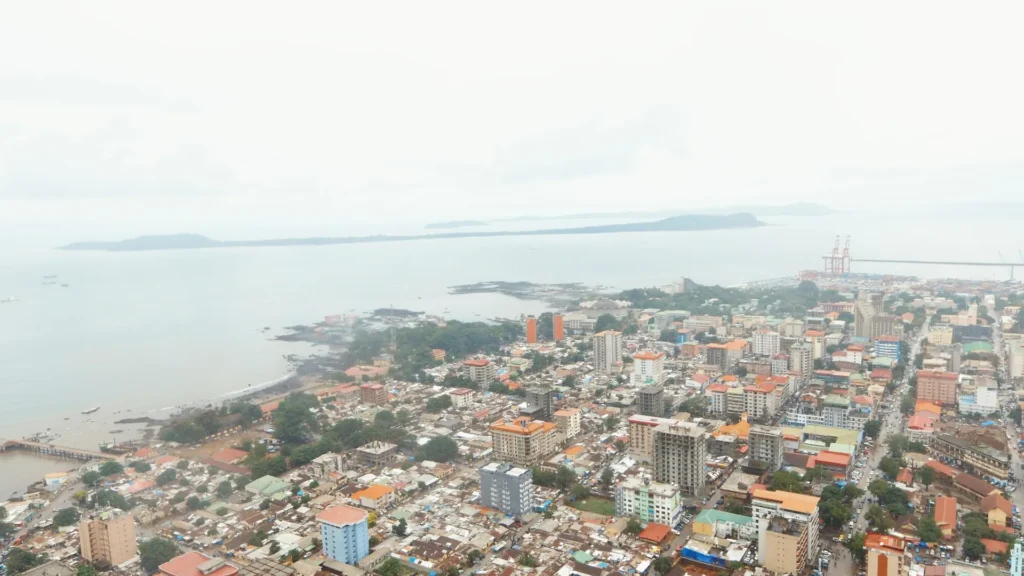
Guinea has ordered residents of the capital, Conakry, to clear the rubbish piling up across the city by the end of December, months after a deadly landfill collapse left the capital without a working waste dump.
Prime Minister Amadou Oury Bah announced the deadline on Wednesday, telling a public forum on sanitation that Conakry must be completely clean by the end of December. The order, relayed from President Mamady Doumbouya, covers the capital and its suburbs, where illegal dumping has spread since the city’s main landfill was shut.
The crisis dates from August, when heavy rain brought down part of the rubbish heap at the Dar es Salaam dump, burying homes below and killing 31 people, according to the BBC. The site was closed permanently after the disaster, and with nowhere for the city’s waste to go, bags of refuse have piled up outside houses, beneath bridges and along the streets.
A city producing 3,000 tonnes of waste a day
Sanitation Minister Aboubacar Camara told the forum that Conakry produces about 3,000 tonnes of waste every day, and that much of it now ends up on the streets because the collection system cannot cope. He blamed a lack of civic spirit in part, but also admitted the collection system itself needs to be improved.
The government has now set out a plan to fix the system. The first phase of a national clean-up policy running to 2030 is estimated at 5.4 billion Guinean francs, about 610,000 dollars, and talks with a waste collection operator have been concluded. A national sanitation fund will guarantee financing for the sector, Camara said.
Waste will be moved from transit and sorting centres to a new disposal site at Baretode, outside the capital, and the closed Dar es Salaam site is to be turned into an urban park. The plan is meant to stop the cycle of dumping that has blighted the city since August.
Not the first disaster at the dump
The August tragedy was not the first at the Dar es Salaam site. Ten people were killed there in a similar collapse in 2017, and residents have lived for years in the shadow of a mountain of waste that grew with the city around it.
The dump sat in a densely built-up area, with makeshift homes pressed against its slopes, so when the rains came the collapse was bound to hit people as well as property. The decision to close it permanently was taken to stop that risk, but it left the city with no ready alternative, and the rubbish has been accumulating ever since.
The clean-up order is the government’s answer, but it puts the burden on residents as well as the state. Bah promised the state would help, yet the work of clearing streets and suburbs by the end of the year will fall largely on the people who live there.
A test for the capital
Whether Conakry can be clean by the end of December will be a visible test of the government’s ability to deliver basic services. The deadline is barely a month away, and the city has months of accumulated waste to shift.
If the target is met, it could set a precedent for rapid sanitation reform in the capital and inform wider planning, including the reuse of closed dumps as community spaces. If it is missed, the rubbish will remain as a daily reminder of the disaster that closed the dump. Guinea approved a sovereign wealth fund for its Simandou iron ore project, while Zambia has banned protests against presidential term limits.