
Alaska Seized His Seaplane Over Beer. Now Top Court Decides
Last Updated on November 27, 2026 10:26 pm by Janson
Alaska seized a pilot’s seaplane in 2012 because a passenger he was flying tried to sneak Budweiser beer into a remote village that bans alcohol. Fourteen years later, the retired pilot’s long legal fight over the aircraft has reached the US Supreme Court, in a case that could change the asset forfeiture system that lets states and federal agencies confiscate billions of dollars in property each year.
Ken Jouppi, 83, is now retired and living in Idaho, but his case is still flying. In April 2012, Alaska state troopers executed a warrant to search his plane when he was about to take off from Fairbanks with a customer heading to Beaver, a remote village of about 50 people that prohibits the sale, importation and possession of alcohol. Inside the passenger’s luggage, officers found three cases of beer: 72 cans, containing about nine gallons in total.
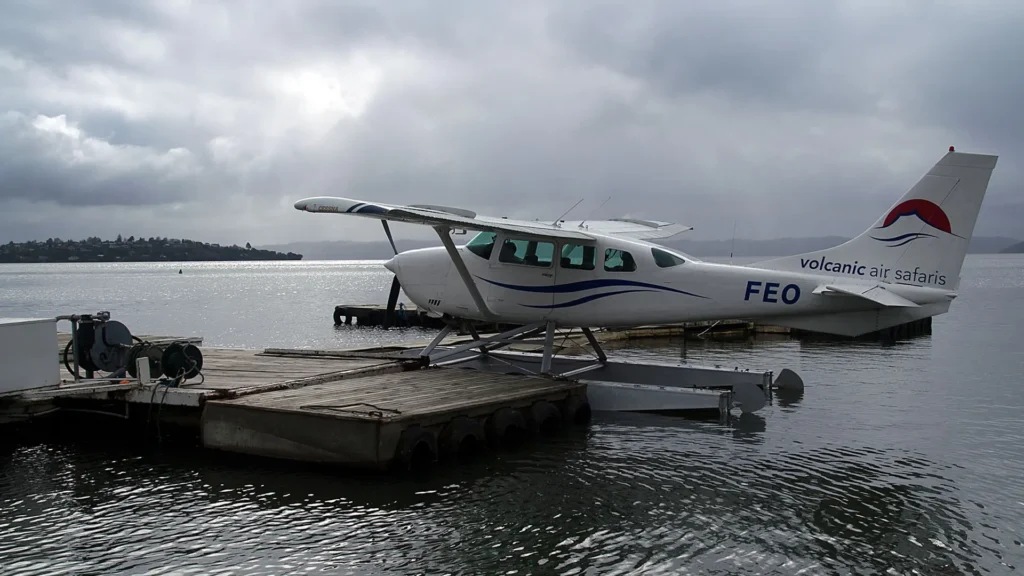
Alaska also seized Jouppi’s 1969 Cessna U206D through a state law that requires the forfeiture of airplanes used to commit certain alcohol-related offences. Jouppi has argued ever since that losing his plane was a grossly disproportionate punishment. He says he had seen only the one six-pack in a plastic bag, and not the 66 other beers hidden in the luggage.
The case reaches the top court
The nine justices will hear arguments on Tuesday in Jouppi’s appeal of a lower court’s ruling that upheld the state’s seizure. The dispute turns on the Excessive Fines Clause, a provision in the US Constitution’s Eighth Amendment that prohibits unduly harsh financial penalties as punishment.
The Alaska Supreme Court ruled in 2025 that the forfeiture was constitutional and did not violate the clause, even though Jouppi had seen only the one six-pack. His lawyers say the court should have focused on the harm from Jouppi’s actual conduct, rather than on “the culpability of an abstract violator of the statute, the theoretical worst-case offender”.
Jouppi is represented by the libertarian non-profit Institute for Justice. His lawyer, Sam Gedge, says a Supreme Court ruling in his favour could make it easier for individuals and companies to reclaim property that law enforcement agencies seize from them. The case is a misdemeanour criminal matter, but its reach could be far wider: civil and criminal forfeiture together allow governments to take property worth billions of dollars a year.
Why it matters beyond Alaska
Asset forfeiture has become one of the most contested corners of American law. Supporters say it is a vital tool against crime, letting the state take the tools and proceeds of offending. Critics say it has grown into a revenue machine, where the punishment can dwarf the crime and where owners must fight long and expensive battles to get their property back.
Jouppi’s plane is a vivid example of that argument. A working pilot lost his livelihood’s central tool over beer he says he never saw, in a case that began as a misdemeanour. Fourteen years on, the question before the Supreme Court is simple to state and hard to answer: when does taking someone’s property stop being a penalty and start being excessive?
A ruling with wide reach
The justices’ answer will be watched well beyond Alaska. Police departments, prosecutors and property owners across the country all have a stake in where the line is drawn. The court has already been active on the issue this term: the Supreme Court kept an AR-15 ban case alive for a hearing, while Canada’s top court largely upheld Quebec’s Bill 21 with one exception.