
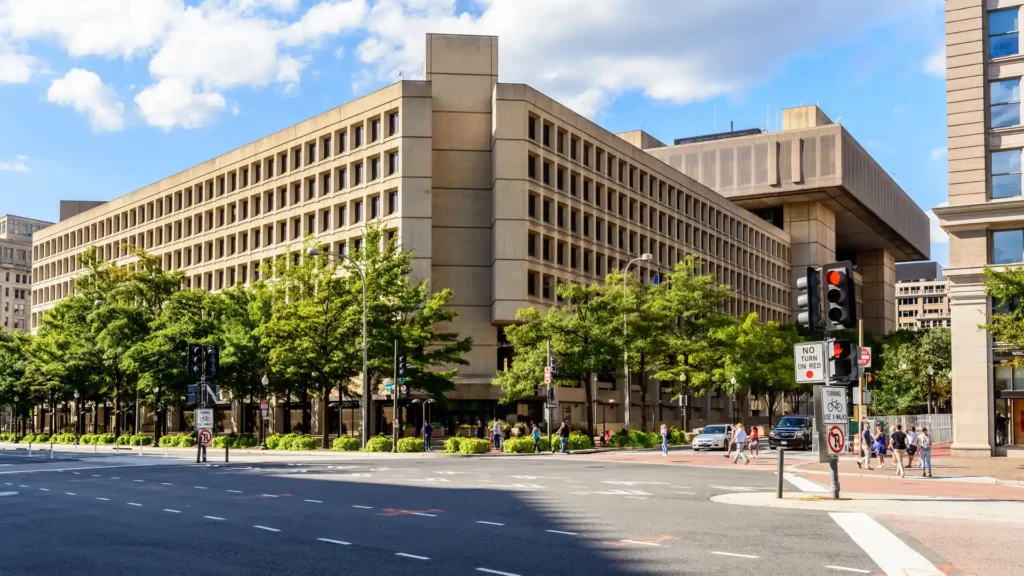
FBI Probes Apparent Hack of Its National Crime Database
Last Updated on November 27, 2026 4:29 pm by Bilal
The FBI is investigating an apparent hack of the National Crime Information Center, the national law-enforcement database that police across America use to check arrest warrants, criminal histories and missing-person records.
The incident was first reported by CNN on 20 November, citing two people briefed on the investigation, and was confirmed to the Associated Press by a person familiar with the matter. The FBI has not publicly confirmed the breach, and the scope of the problem is still unclear: nobody has said when it happened, how the attackers got in, who they are, or whether they took anything.
What the database holds
The NCIC, run by the FBI’s Criminal Justice Information Services division since the 1960s, gathers information from more than 5,000 state and local agencies. It holds records on outstanding warrants, fugitives, missing persons, criminal histories, stolen property and protective orders, and it is used for background checks, including for firearm purchases.
It is one of the most widely used tools in American policing. Officers on patrol and at borders query it constantly, and a compromise could expose sensitive details about people under investigation, people who have reported crimes, and people whose records are held in the system. The bureau has not confirmed whether any such records were accessed.
Bureau officials learned of the suspected intrusion in recent days, according to CNN, and the FBI declined to comment on the reports when asked by the BBC and the Associated Press. The lack of detail has fuelled speculation online, including claims linking the incident to files associated with Jeffrey Epstein, although no verified connection between those records and the alleged NCIC breach has been established.
The director refuses details
FBI Director Kash Patel addressed the reports at a Justice Department press conference on Tuesday, saying only that the matter was ongoing. “We’ve publicly released, as we always do, information we are permitted to at this time, but it’s an ongoing investigation,” he said, adding that the bureau was working with other agencies and would make the information public through the Justice Department or Congress when it was allowed to do so.
He declined to say who was responsible for the reported hack or what data may have been taken. On Sunday, Director of National Intelligence Jay Clayton told Fox News that the FBI was investigating who was behind the incident, and President Donald Trump addressed the reports during an interview with Fox News on Saturday, expressing dissatisfaction with the developments.
The caution is understandable: the NCIC is not a single file that can simply be locked down, but a live system that thousands of agencies depend on every day, and any public statement about what was taken could tip off the attackers or compromise the investigation.
Second breach in months
The NCIC incident is the bureau’s second reported breach in recent months. In September, the hacking group known as ShinyHunters claimed it had stolen personal information on about 38,000 FBI employees and applicants after compromising the bureau’s jobs portal, which it said it had reached by exploiting a flaw in Oracle’s PeopleSoft software.
The FBI later determined that the September intrusion was a “major” cyber incident, and federal agencies subsequently acted against several people suspected of involvement in cybercrime. The new case raises fresh questions about how the bureau protects its own systems, and about what it tells the public when those systems are hit.
For now, the central facts are stark and simple: an active investigation is under way into a suspected intrusion, and the FBI is withholding specifics while it works with other agencies. The CIA’s unclassified system was also breached, and the AFP’s online forum was taken offline after a cyberattack of its own. Until the bureau discloses its findings, the key questions remain who was behind the breach, what records, if any, were accessed, and when investigators will make definitive findings public.