
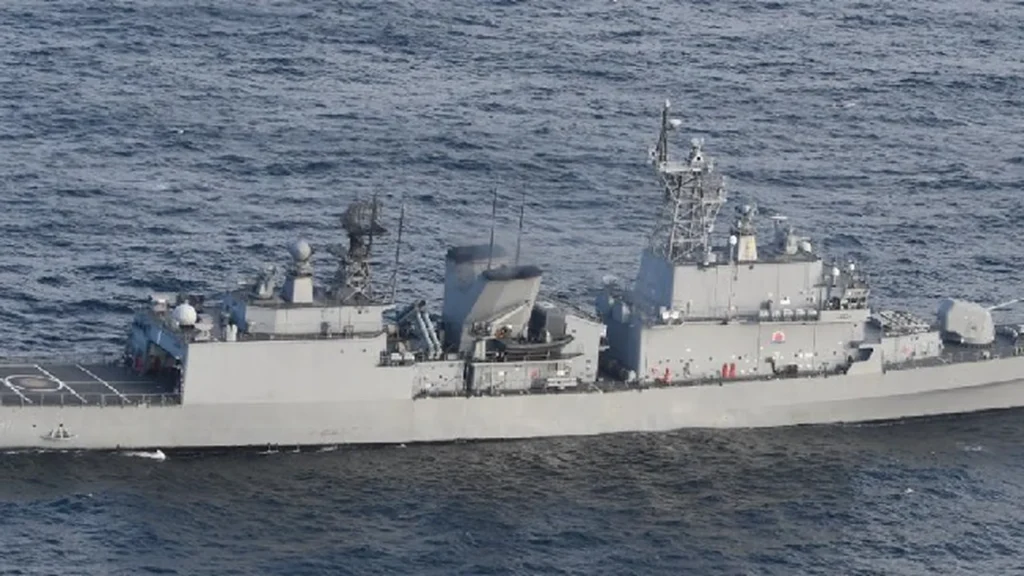
Iran Warns South Korea Over Expanded Gulf Naval Patrols
Last Updated on November 28, 2026 1:33 am by Tayyab
Iran has warned South Korea that expanding its naval patrols near the Gulf of Oman would heighten tensions rather than bring peace, as Seoul prepares to widen the operating area of its anti-piracy naval unit into waters south of the Gulf. The warning came in a phone call between the two countries’ foreign ministers on Thursday, and it underlines how the Gulf conflict is drawing in countries far beyond the region.
Foreign Minister Abbas Araqchi told his South Korean counterpart, Cho Hyun, that foreign militaries in the region would instead heighten tensions and expand the scope of conflict, the Iranian embassy in Seoul said, publishing an account of the call on X on Friday. Cho replied that Seoul had no intention of joining any war or deploying troops to the Gulf, saying the unit’s mission was to ensure the safety of South Koreans and protect the country’s economic interests.
The exchange comes as South Korea’s parliament reviews a government motion to broaden the Cheonghae unit’s operating area to the outer waters of the Gulf of Oman, to help ensure safe navigation for South Korean commercial vessels. The unit has been stationed in the Gulf of Aden since 2009 as an anti-piracy task force, and the change would extend its patrols closer to one of the world’s busiest energy shipping lanes.
Why Seoul wants to expand the patrols
South Korea has a direct stake in Gulf shipping: it imports almost all of its oil, much of it from the Gulf, and its commercial vessels pass through the Strait of Hormuz and the Gulf of Oman on every voyage. With tankers hit by mines near Oman, energy infrastructure under attack in Saudi Arabia and transit through the strait severely restricted, Seoul argues its ships need protection further out to sea.
Cho set out that case in his own post on X after the call, saying the plan to expand the Cheonghae unit’s mission is aimed at protecting Korean nationals and safeguarding the country’s economic interests, while outlining principles of non-intervention and non-involvement in wars. The message was carefully worded: Seoul wants to protect its shipping without being seen to join the American-led military campaign against Iran.
The Cheonghae unit is a modest force, built around a single destroyer with a helicopter and marines, which has spent 17 years escorting commercial ships through the Gulf of Aden. Extending its area to the outer Gulf of Oman would put it closer to the waters where the recent tanker attacks took place, and to Iranian forces operating in the region.
A warning aimed beyond Seoul
Iran’s message to South Korea is also aimed at every other country considering a naval role in the Gulf. Tehran has repeatedly said a foreign military presence would not contribute to peace, and has warned the conflict could widen if more countries deploy forces there. The call was the latest in a series of diplomatic contacts in which Iran has pressed that argument, including talks with Qatari mediators about the strait, which Tehran says would not be difficult to reopen if the United States accepts reasonable conditions.
The risks in the waterway
The warning lands at a moment of acute tension. The United States has been enforcing a blockade on Iranian oil exports and disabling tankers in the Gulf of Oman, while Houthi forces have struck Saudi energy infrastructure and a Saudi-led coalition has hit targets in Yemen in response. Shipping through the strait, which carries a fifth of the world’s oil, has been severely disrupted, and insurers and shipowners are weighing whether to keep sending vessels through at all.
For South Korea, the calculation is uncomfortable: its economy depends on Gulf oil, but any expansion of its naval role risks drawing it into a conflict it has tried hard to stay out of. Cho’s assurance may reassure Tehran, but the patrols will put South Korean warships in waters where the risk of a miscalculation is growing by the week. A strike on a Saudi Aramco refinery killed a worker, while the US disabled a tanker in the Gulf of Oman blockade — and Seoul’s decision will show how far the Gulf crisis is reaching beyond the region.