
Natural England Objected to Datacentre Weeks Before Axe
Last Updated on November 27, 2026 5:23 pm by Rehan
Natural England objected to a large AI datacentre near Bristol weeks before ministers threatened to abolish the agency, raising questions about the future of environmental oversight as the government pushes to expand the country’s artificial intelligence infrastructure.
The government’s independent adviser on the natural environment formally urged Bristol City Council not to grant planning permission for a 40-megawatt datacentre at Avonmouth, warning that the development could threaten protected wildlife and habitats at one of the UK’s most important sites for migratory birds, located within 600 metres of the proposed site. The objection was made earlier this month, on 9 November, two weeks before the government’s plan to scrap the agency emerged on 23 November.
The Environment Agency also objected to the proposal, warning about the development’s location on a high-risk flood plain and questioning whether people could take safe refuge there in the event of a deluge, as well as raising concerns about water use and pollution. More than 4,000 people have objected to the datacentre’s construction, making it one of the most contested planning applications in the region.
The objection at Avonmouth
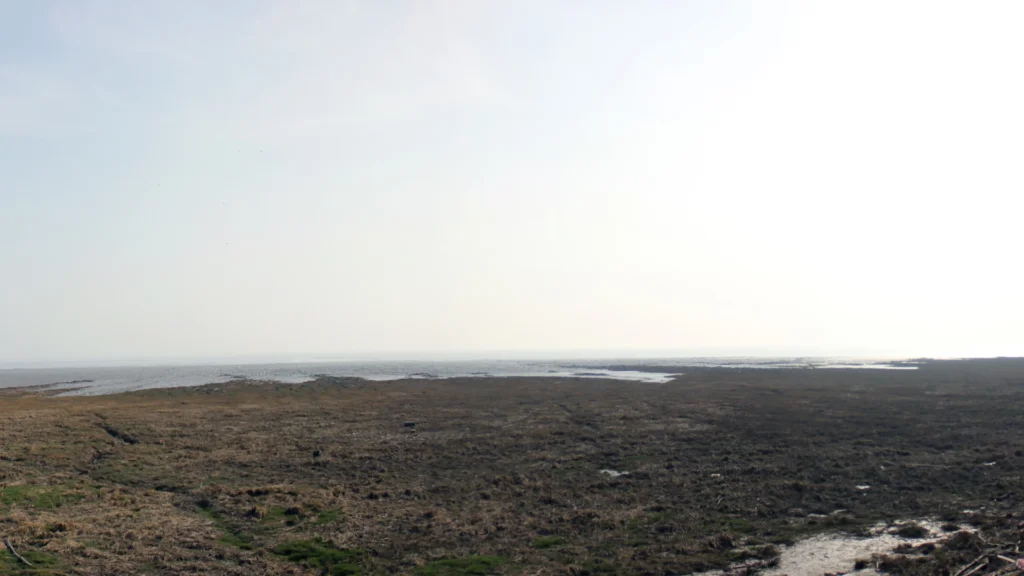
Natural England’s intervention focused on the Severn Estuary Special Protection Area, one of the UK’s most important locations for migratory birds, which lies just 600 metres from the proposed development. The agency warned that construction work, noise and other pressures from the datacentre could cause “disturbance and displacement” to rare and vulnerable bird species living in the internationally protected habitat.
The agency also highlighted Hallen Marsh, another protected area, which sits just 270 metres from the proposed site. Its advice to the council was unequivocal: the planning application should be refused because of the risk to the protected sites. Natural England has also expressed broader concerns to ministers about the rollout of datacentres, urging caution and a precautionary approach in its response to the government’s draft datacentre national policy statement, noting that AI datacentres are a relatively new type of development whose full environmental impacts are still being understood.
Abolition threat follows weeks later
The timing of the objection has attracted particular attention because of what followed. This week, the government’s de facto deputy prime minister, Louise Haigh, blamed quangos, including Natural England, for blocking development, and indicated that both Natural England and the Environment Agency could be abolished, with their responsibilities handed to ministers or devolved administrations.
Government sources have denied that Natural England’s objection to the Avonmouth datacentre, or its stance on taking a precautionary approach to datacentre construction, influenced Haigh’s announcement. But the sequence of events has alarmed conservation groups. Craig Bennett, chief executive of the Wildlife Trusts, said the threatened abolition of Natural England was a worrying sign of an attack on environmental regulation, and the Trusts have launched a petition to save the agency, saying it and its predecessors have been vital protectors of wildlife, land, water and sea across England since the 1940s.
The wider fight over datacentres
Ministers are pushing for the construction of AI datacentres across the country as a key part of growing the UK economy, and the government is allowing developers to use the nationally significant infrastructure projects regime, which makes the secretary of state the decision-maker and sidesteps local democracy. The Avonmouth proposal is one of a wave of datacentre applications, and the clash between the government’s growth plans and its environmental advisers is likely to be repeated elsewhere.
The developer behind the Avonmouth scheme, Rivington Energy, said it acknowledged the feedback and was preparing additional studies and a detailed environmental statement to support the next stage of the project’s assessment. For now, the planning application remains undecided, and the future of the agency that objected to it is itself in doubt. AI-generated advertising also caused a backlash at a Christmas market in Cornwall, which cancelled all its bookings, while the UK grid spent a record 60 million pounds in a day as a cold snap hit power supplies.