
Sikkim Rail Link Closer as 5.3-km Tunnel Breakthrough Done
Last Updated on November 29, 2026 9:43 am by Tayyab
Indian Railways has completed excavation work on all 14 tunnels of the Sivok–Rangpo railway line, after engineers broke through Tunnel No. 10, the longest on the route, on 27 November. The Railway Ministry announced the milestone on Saturday, 28 November, describing it as a major step towards connecting Sikkim to India’s railway network for the first time. The breakthrough ends the tunnelling phase of a project that has been watched closely across the region for years.
The breakthrough that finished the tunnelling
Tunnel No. 10 runs for 5.3 kilometres, making it the longest of the 14 tunnels on the 45-kilometre line. Engineers dug it from both ends and through two separate access tunnels, and the breakthrough came when the excavation fronts finally met in the middle. South Eastern Railway announced the moment with a short post celebrating the connection of the tunnel’s two headings. With the two fronts joined, excavation is now complete across every tunnel on the project. The ministry said the remaining work, including tunnel lining, track laying and the installation of essential railway safety systems, will now move ahead. No date has been given for when trains will actually run.
A 45-km line through Himalayan terrain
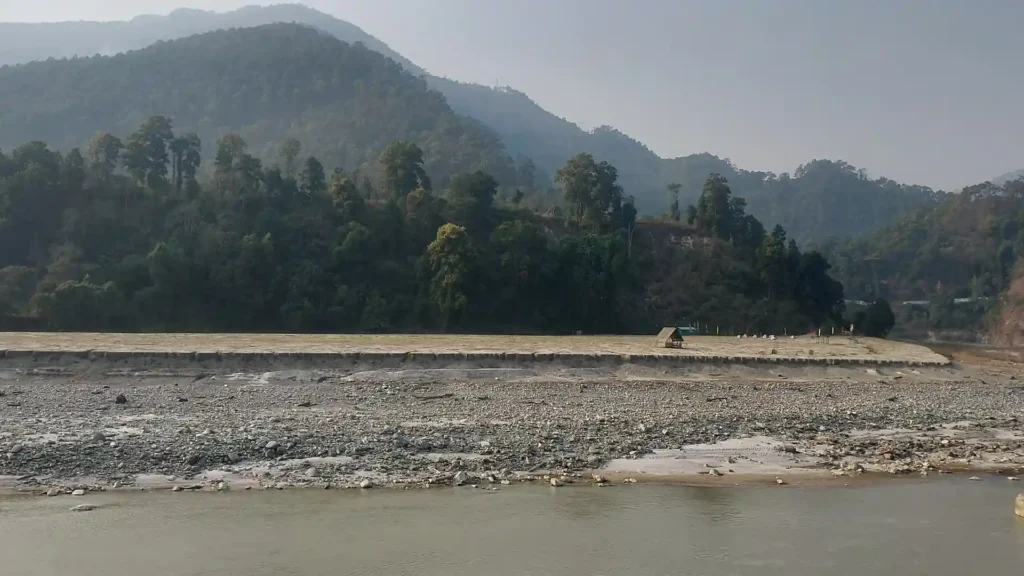
The broad-gauge line runs from Sivok in West Bengal to Rangpo in Sikkim, passing through Darjeeling and Kalimpong districts before entering Sikkim’s Pakyong district. The route follows the Teesta river valley through steep, forested Himalayan slopes, the kind of ground that has made the project one of Indian Railways’ hardest construction jobs. Along the way the line crosses 23 bridges. Four stations are planned, at Sivok, Riyang, Melli and Rangpo, along with an underground halt at Teesta Bazaar. The valley the line follows is the same river country where the Teesta and its tributary the Rangeet cut deep gorges through the hills, and the railway has had to be carved through that landscape tunnel by tunnel. India has been pushing big infrastructure projects across the country, from new trade corridors to its bid to host the 2036 Olympics in Ahmedabad, and the Sikkim line is one of the most difficult of them all.
What still has to happen before trains run
Finishing the excavation is only one stage of the work. Each tunnel must now be lined, tracks must be laid, and signalling and safety systems must be installed and tested before any train can carry passengers. The ministry has said these remaining activities will now progress, but it has not announced a timeline for completion or an opening date. Until that work is done, Sikkim remains off the railway map, and the line’s opening is still a matter of further construction rather than a date on a calendar. The Himalayan region has seen deadly floods this year, and Nepal has declared 213 missing Indians dead after August floods, a reminder of how unforgiving the mountain terrain can be for builders and travellers alike.
Why the line matters for Sikkim
For Sikkim, the line would mean a first railway connection to the rest of India, ending the state’s long isolation from the national rail network. A train link would give residents and visitors an alternative to the road through the Teesta valley, and it would make it easier to move goods in and out of a state whose economy depends heavily on tourism and farming. Better connectivity also matters for trade: India is close to completing a trade deal with the United States, and improved transport links in the north-east would help the region share in that growth. For now, the breakthrough in Tunnel No. 10 is the clearest sign yet that the railway is coming. The digging is done; the work that remains is to turn a chain of empty tunnels into a working railway.