
Dutch Groups Ask Court to Halt Meta Smart Glasses Sales
Last Updated on November 26, 2026 9:59 pm by Bilal
Dutch consumer and digital rights groups have asked a court to halt sales of Meta’s AI-powered smart glasses in the Netherlands, arguing the devices let wearers film people without their knowledge and break European privacy law.
The case was heard at the Amsterdam District Court on Thursday. The groups, led by the Netherlands’ main consumer association Consumentenbond and Offlimits, which campaigns against online sex abuse, want Meta to stop the glasses being used to record people secretly, stop using such recordings to train its AI models, and suspend sales until the company complies.
Although the case is limited to the Netherlands, a ruling against Meta could set a precedent as backlash grows around the world, with venue bans and regulatory warnings already spreading. A decision is expected in mid-December, and by 24 December at the latest.
The case against the glasses
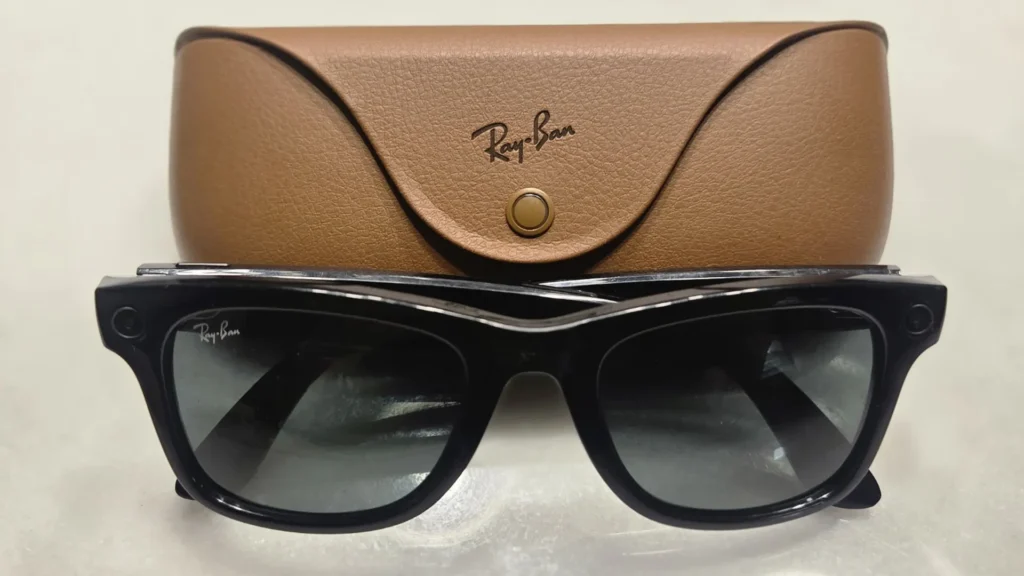
The glasses, developed by Meta with Ray-Ban owner EssilorLuxottica, look like ordinary sunglasses but carry a camera and an AI assistant. The groups argue that makes them fundamentally different from a phone, because bystanders have no way of knowing they are being filmed.
In court, Offlimits lawyer Karlijn Han warned that misuse was already widespread. She described some of the alleged behaviour as “creep shots” and told the court that covert recordings were undoubtedly being made during exams, in changing rooms, at swimming pools, in hotel rooms and hospitals, and in playgrounds and on beaches. “Each invasion of privacy is worse than the last,” she said.
The groups also object to what happens to the footage afterwards. They say recordings of bystanders, including children, may be used by Meta to train its AI models, capturing sensitive personal data such as political views, religion and health. They have asked the court to impose penalties of 100,000 euros per day per defendant if Meta fails to comply, capped at 100 million euros.
Meta pushes back
Meta has asked the court to reject the case outright. Its lawyer, Bastiaan Kemp, argued that companies cannot be held responsible for every misuse of their products, and that the measures demanded would harm legitimate users and damage Meta’s competitive position.
The company points to safeguards already built into the glasses, including a light that signals when the camera is recording. But the Dutch groups say that warning is easy to miss or cover up, and that it does nothing to protect people who never notice the device at all.
The Dutch privacy regulator has already taken a side. The Autoriteit Persoonsgegevens advised consumers this month not to buy smart glasses, saying they are unsafe for both users and bystanders after testing six models on the Dutch market. In October, Dutch retail chain Hans Anders suspended sales of Meta’s Ray-Ban smart glasses in the Netherlands and Belgium.
A test case for the world
Whatever the Amsterdam court decides, the case is being watched far beyond the Netherlands. Governments, courts and regulators in other countries are weighing restrictions on the same devices, and a Dutch ruling could shape how they act.
The pressure on Meta is not limited to hardware. Our report on Congress suing Meta in India shows the company facing legal challenges on several fronts at once, while New York’s ban on AI chatbot toys shows regulators are increasingly willing to act against AI products aimed at, or used around, children.
For now, the glasses remain on sale in the Netherlands while the court deliberates. If the groups win, Meta would have two weeks to make the devices lawful, or face a sales ban, with only a narrow exception proposed for blind and visually impaired users who rely on the technology.