
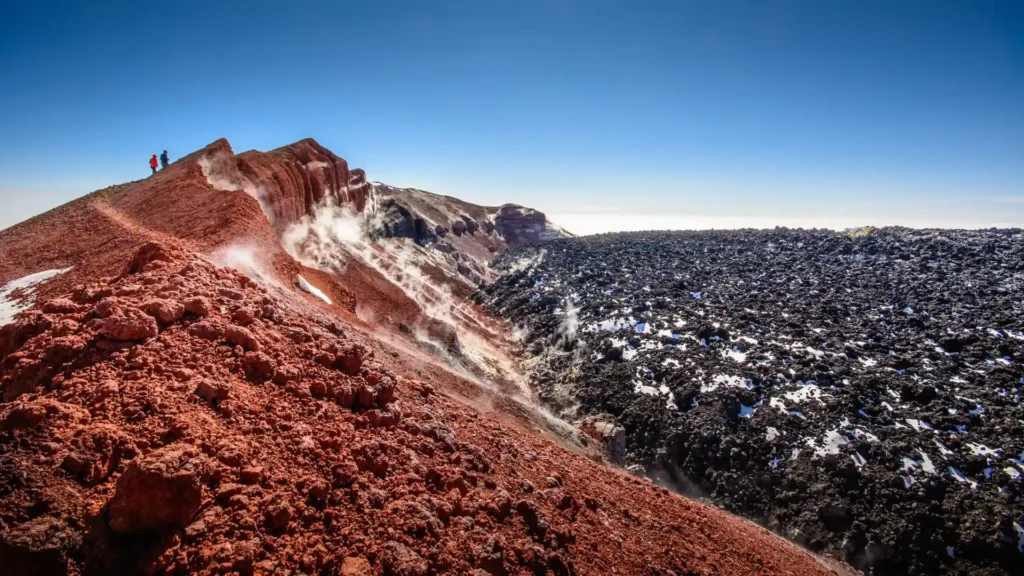
Magnitude 6.7 Quake Hits Kamchatka, No Damage or Casualties
Last Updated on November 29, 2026 10:00 am by Bilal
A magnitude 6.7 earthquake struck Russia’s Kamchatka Peninsula on Saturday, shaking one of the world’s most seismically active regions but causing no immediate reports of damage or casualties.
The quake was recorded at about 1:15 p.m. UTC, or 6:45 p.m. Indian time, with its epicentre about 62 kilometres north-northwest of Yelizovo, on the peninsula’s eastern side. India’s National Centre for Seismology put the depth at 205 kilometres, while the US Geological Survey measured it at about 188 kilometres.
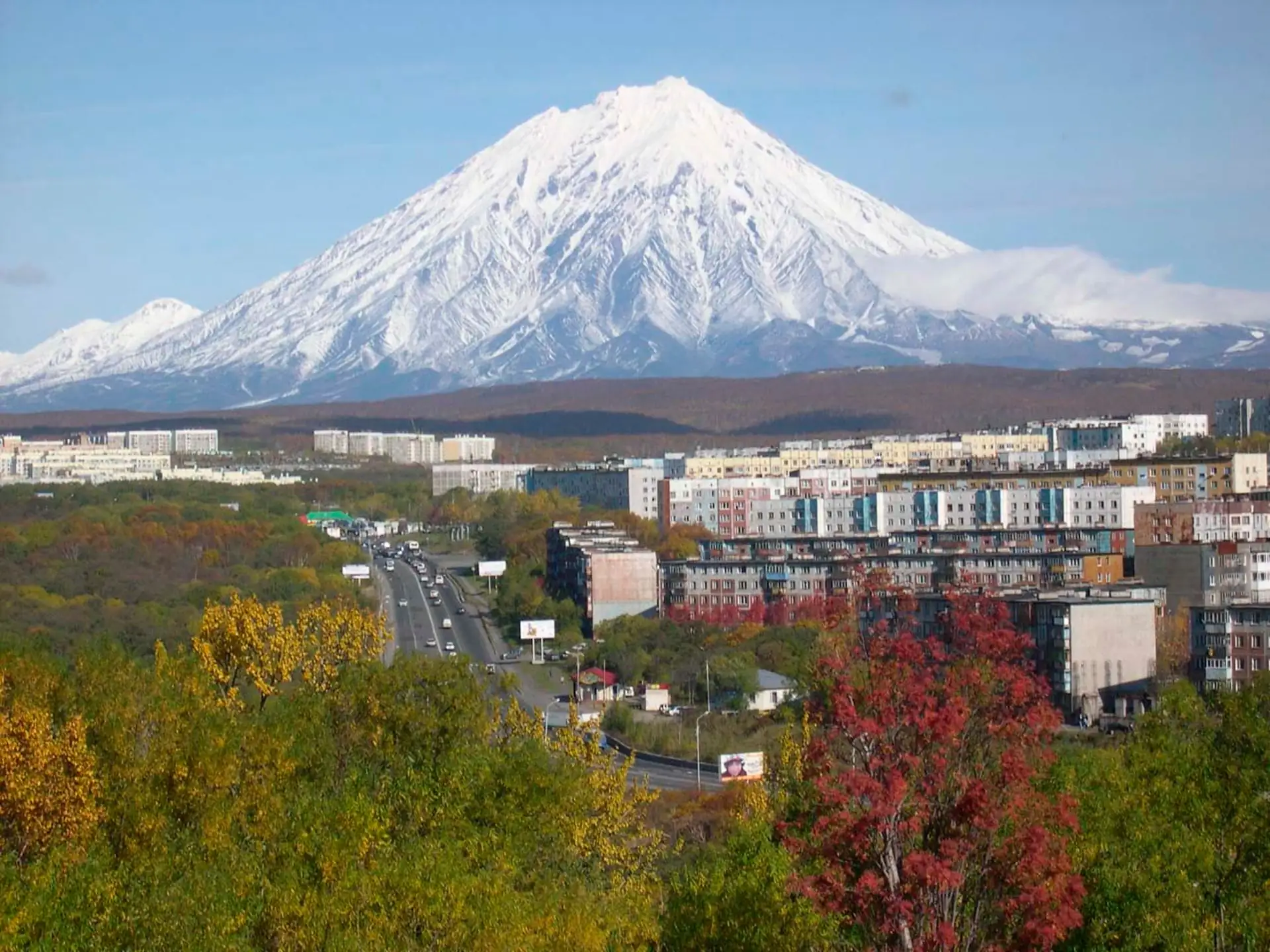
Why a big quake caused so little damage
The depth is the reason the tremor left residents largely unscathed. Once seismic waves travel nearly 200 kilometres upward through rock, much of their force dissipates before reaching the surface. Both agencies classify the event as an intermediate-depth quake, a category that typically produces far milder shaking than a shallow quake of the same strength.
The USGS issued a green alert, signalling a low risk of casualties, and the shaking was generally rated light to moderate. No tsunami warnings were issued after the event, and Peru’s naval hydrography office monitored its coasts and officially ruled out a tsunami alert.
A peninsula built on a fault line
Kamchatka sits on the Pacific Ring of Fire, along a subduction zone where the dense Pacific Plate dives beneath the Okhotsk Plate. When a rupture happens deep inside that descending slab, the surface shaking is usually milder than a shallow quake of the same magnitude, even though the energy released underground is enormous.
The region is no stranger to far bigger events. On July 30, 2025, a magnitude 8.8 earthquake struck off the peninsula’s eastern coast, the strongest to hit the area since 1952 and among the largest recorded anywhere since 1900. That quake was much shallower, at a depth of about 35 kilometres, and it generated tsunami waves that triggered coastal alerts across the Pacific, including in Japan, Hawaii and Chile, while causing structural damage and minor injuries in Russia’s Far East.
What scientists watch for next
Seismologists will keep watching the region closely in the coming days. Large quakes are often followed by aftershocks, and Kamchatka’s network of sensors will track any further movement along the fault. The deep location of Saturday’s quake makes a damaging aftershock sequence less likely, but scientists say the peninsula’s history means no event can be dismissed outright.
The region is one of the most closely monitored seismic zones on Earth. Russia’s Far East sits at the junction of several tectonic plates, and the peninsula is home to some of the world’s most active volcanoes as well as its earthquakes. The same forces that built Kamchatka’s mountains continue to shape it, and Saturday’s tremor was the latest reminder of their power.
Monitoring continues
Seismic networks in Russia, India, Europe and the United States all recorded Saturday’s tremor, with slight differences in their estimates of depth and magnitude. Some networks posted slightly lower magnitude figures, and the European Mediterranean Seismological Centre put the depth at 188 kilometres.
Authorities had received no reports of injuries or property destruction in the hours after the quake. The event serves as a reminder of the region’s risk, and of how much difference depth makes: the same magnitude at a shallow depth could have been devastating, as six students were killed in a blast near a school in Kunar, Thailand moved to ban mining chemicals over river pollution, and Russia claimed 1,246 Ukrainian drones were downed overnight.