
Lula Sounds Out Bradesco Chairman for Finance Minister Job
Last Updated on November 27, 2026 1:04 am by Janson
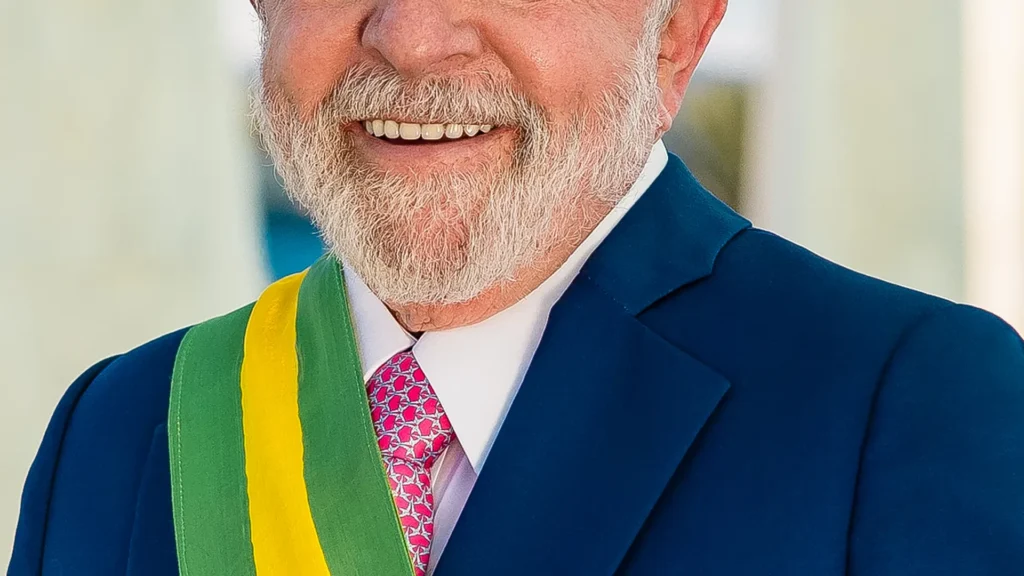
Brazilian President Luiz Inacio Lula da Silva has approached Luiz Carlos Trabuco, chairman of bank Bradesco, about taking over the finance ministry in his next government, two people with knowledge of the negotiations told Reuters. The approach is the clearest sign yet that Lula is looking to a figure from the top of Brazilian banking to steady the economic team of his fourth term.
Trabuco, who led Bradesco as chief executive before becoming its chairman, has had a close relationship with Lula for many years. He has yet to respond to the approach but is expected to decide soon. He met Lula on Monday, November 23, at the Palacio da Alvorada in an unannounced meeting outside the president’s official schedule. Reports in Brazil say Trabuco has told close associates he does not intend to accept the post, though his recent political meetings have kept speculation active.
Why the finance job matters so much
The finance ministry is the most closely watched post in the cabinet Lula is assembling before his new term begins on January 5, 2027. Investors have been anxious about the direction of economic policy in the new government, and the choice of finance minister will be read as the clearest signal of Lula’s intentions on spending, debt and growth.
Trabuco spent his career at Bradesco, joining the bank as a young clerk and rising through its ranks over decades before becoming chief executive and then chairman — a career that gives him deep knowledge of Brazil’s financial system.
By turning to Trabuco, a veteran banker who ran one of Latin America’s largest banks, Lula appears to be seeking a market-friendly appointment that can calm those fears. A banker at the head of the finance ministry would reassure investors that economic policy will stay on a steady course, even as Lula pursues the social spending that defined his earlier presidencies.
The appointment would mark a shift from the names that led the speculation earlier this month, when Vice President Geraldo Alckmin — who reportedly told allies he would like the post — and the governor of Piaui state, Rafael Fonteles, were reported as the frontrunners. Other names mentioned for the ministry include current Finance Minister Dario Durigan, who is widely expected to leave the post when the new government takes office, and Planning Minister Bruno Moretti.
What happens next
Lula is expected to announce a first group of ministers for his new government next week, after he returns from the Mercosur summit in Montevideo, Uruguay. No decision on the finance ministry has been announced, and the coming days will show whether Trabuco accepts the invitation or whether Lula turns to one of the other candidates.
A signal to the markets
The decision will set the tone for Lula’s fourth term. A Trabuco appointment would pair a president known for ambitious social programmes with a finance minister drawn from the heart of Brazil’s banking establishment — a combination designed to satisfy both Lula’s political base and the markets. If he declines, Lula will need another name that carries the same weight with investors.
For now, the approach itself is the news: the president has gone to the chairman of Brazil’s second-largest private bank and asked him to run the economy. Europe has chosen Pablo Hernandez de Cos as the next ECB president in another major central-bank appointment. Rwanda’s central bank raised its rate to 9.5% this week as inflation stayed high.