
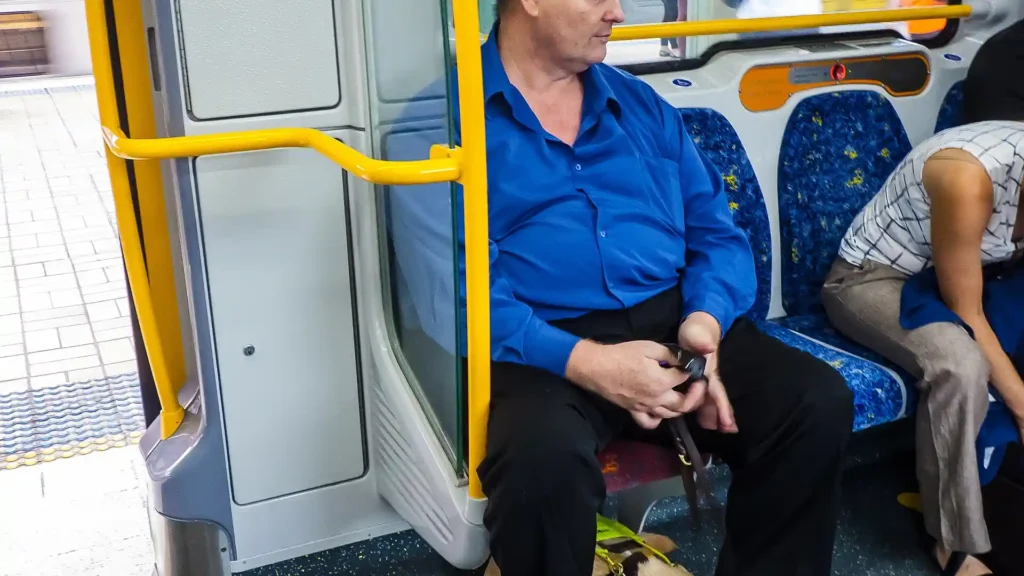
Backlash Over ‘Fake’ Assistance Dogs Grows Across the UK
Last Updated on November 29, 2026 1:49 pm by Hafiz
Lauren Ruggles remembers the moment her guide dog was attacked. The 29-year-old, registered blind because of a rare congenital eye condition, relies on Kilko, a Golden Retriever and Labrador cross, for her independence. Earlier this year, she says, Kilko was pounced on by a small, badly behaved dog belonging to a patient — an incident that has come to stand for a growing tension across the country.
Since the 1930s in the UK, blind and partially sighted people have been paired with guide dogs specially trained by charities. Over recent decades, dogs have also been trained to support people with other disabilities, including autism and psychiatric conditions. But analysts tell the BBC there has been a rise in dogs that are “owner-trained” — meaning they have not necessarily gone through any external assessment — and businesses are complaining about an influx of poorly trained animals and even what they call “fake” assistance dogs.
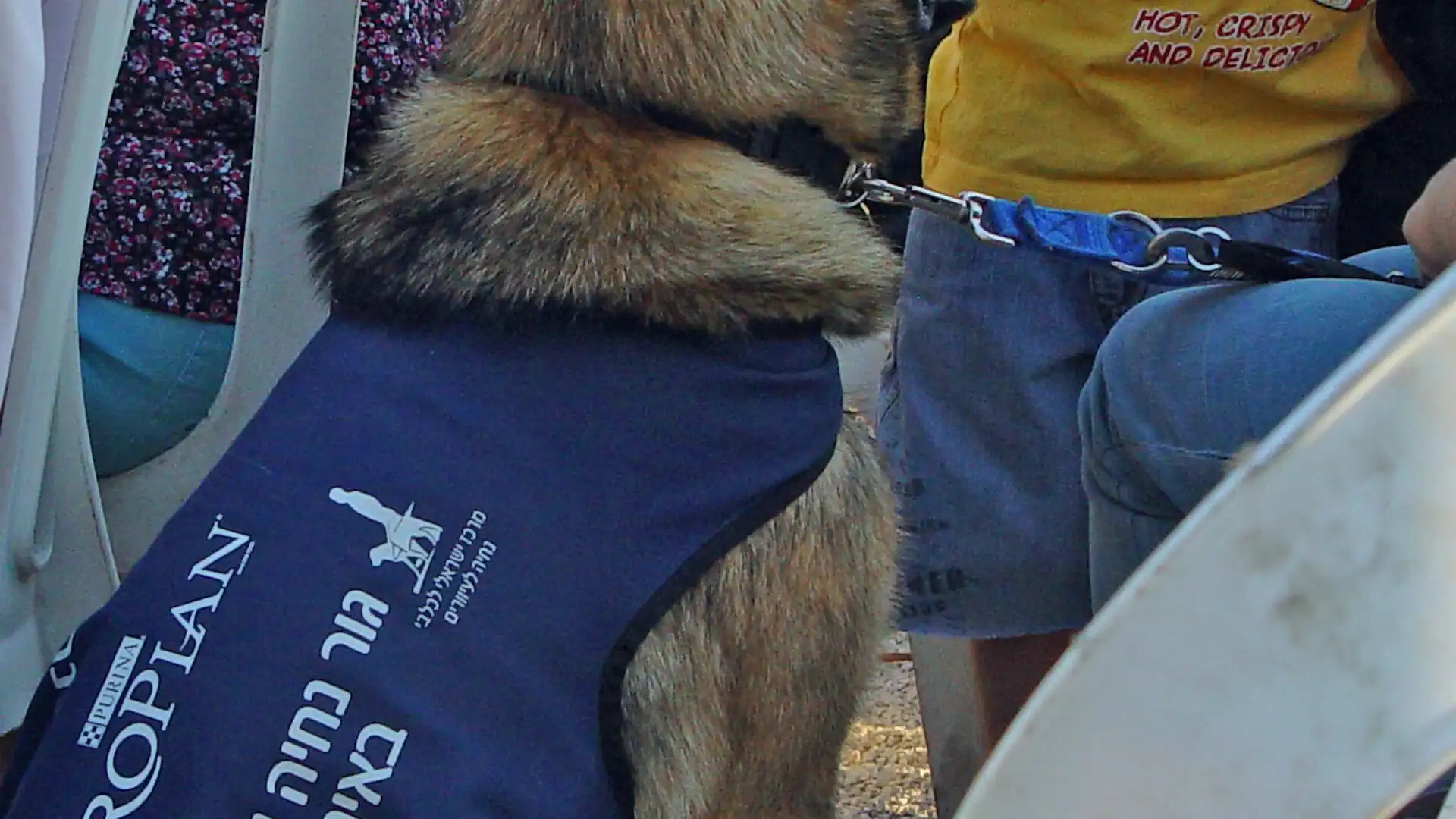
A sharp rise in demand — and in suspicion
There are no official statistics counting any sort of medical dog, but some charities report a sharp rise in demand in recent years from people with conditions like autism. Assistance Dogs International said in 2024 that there is “no end in sight to rising demand” for autism assistance dogs. The UK’s Assistance Dog Assessment Association, which tests the dogs, reports growing demand too.
The animals can be immensely valuable for people with psychological conditions: they can ease severe anxiety, for example, giving somebody the confidence to leave their home alone. But the widening use of the dogs is creating tensions. The BBC has heard complaints from supermarkets, small shops, pubs, restaurants and a holiday park about badly behaved dogs, and about pets being misrepresented as assistance animals, sometimes to get around a venue’s no-dogs policy.
Business owners feel caught between customers worried about aggressive dogs and disabled people who depend on them. And the backlash is taking a toll on the people who have used the animals for years but now feel less trusted than before — like Ruggles, whose dog was attacked by an animal that should never have been in the building at all.
The law is vague — and that is the problem
Part of the tension comes from the law itself. An assistance dog is defined as an auxiliary aid for a disabled person, like a walking stick — but the law does not specify what training is needed, nor does it set any standard a dog must meet. Under the 2010 Equality Act, service providers such as pubs, libraries, hospitals and shops have a duty to make reasonable adjustments for disabled people. That often means waiving a no-dogs policy, but the law does not explicitly say that disabled people must be allowed to bring in their dogs. Only a court can decide, based on the individual circumstances of a case, whether a policy is lawful.
That grey area leaves everyone guessing: a shopkeeper who turns away a badly behaved dog risks a discrimination claim, while one who lets every dog in risks other customers’ safety. Charities want clearer standards, so a real assistance dog can be recognised at a glance.
A wider question about disability itself
The row also speaks to a wider question about how society is grappling with a broadening definition of disability. As more conditions are recognised as needing support, the animals providing it have multiplied too — and the demand is real, the charities say. But without agreed standards, the growth has also opened the door to misuse, and the people paying the price are the long-time guide dog users who now find their animals questioned, challenged and, in Ruggles’s case, attacked.
Until the rules catch up, the tension will keep growing wherever a dog walks in wearing a vest and nobody agrees on what it means. For more on health and daily life, see the Macy’s parade balloons grounded by high winds, the Mall of America setting a Guinness record on Black Friday, and a school band raising $350,000 to march in the Macy’s parade.