
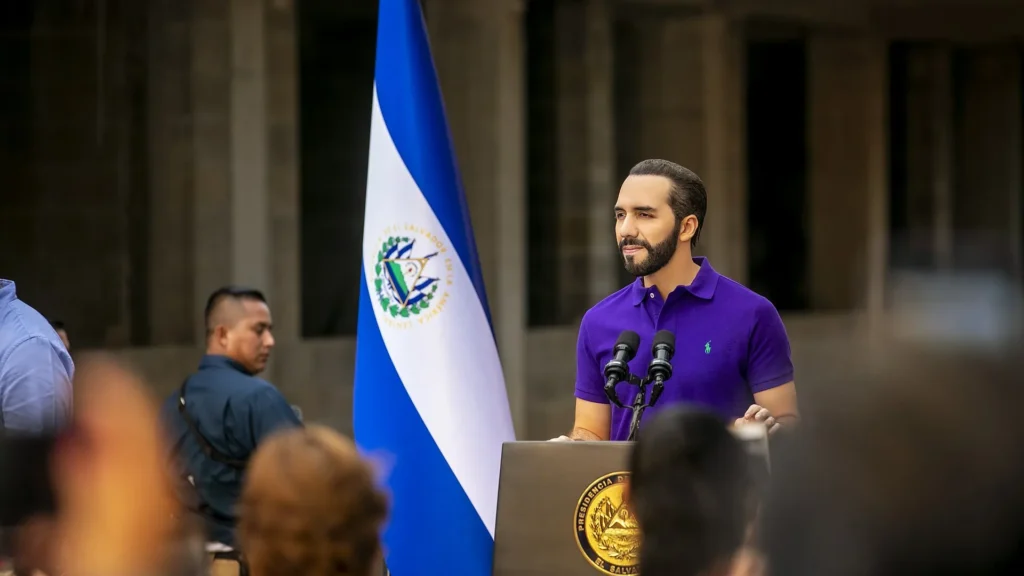
Bukele Wins Fans But Few Results in Haiti After a Month
Last Updated on November 29, 2026 1:43 pm by Rehan
Haitians welcomed El Salvador’s rapid military intervention a month ago, heartened that someone was finally tackling the gang warfare that has claimed more than 20,000 lives in the small Caribbean nation in four years. A month into President Nayib Bukele’s surge of some 2,000 soldiers, security experts say the force has won fans but achieved few concrete results — and that the fighting has, if anything, grown deadlier.
Before October, El Salvador had only about 120 non-combatants in Haiti as part of a UN-backed security force. That changed on 18 October, when four Salvadoran aviation technicians serving with the Gang Suppression Force went missing in Croix-des-Bouquets, on the outskirts of the capital Port-au-Prince. Bukele rushed in more than 2,000 soldiers under a separate mission operating outside the UN mandate, saying the mission aimed to recover his missing countrymen.
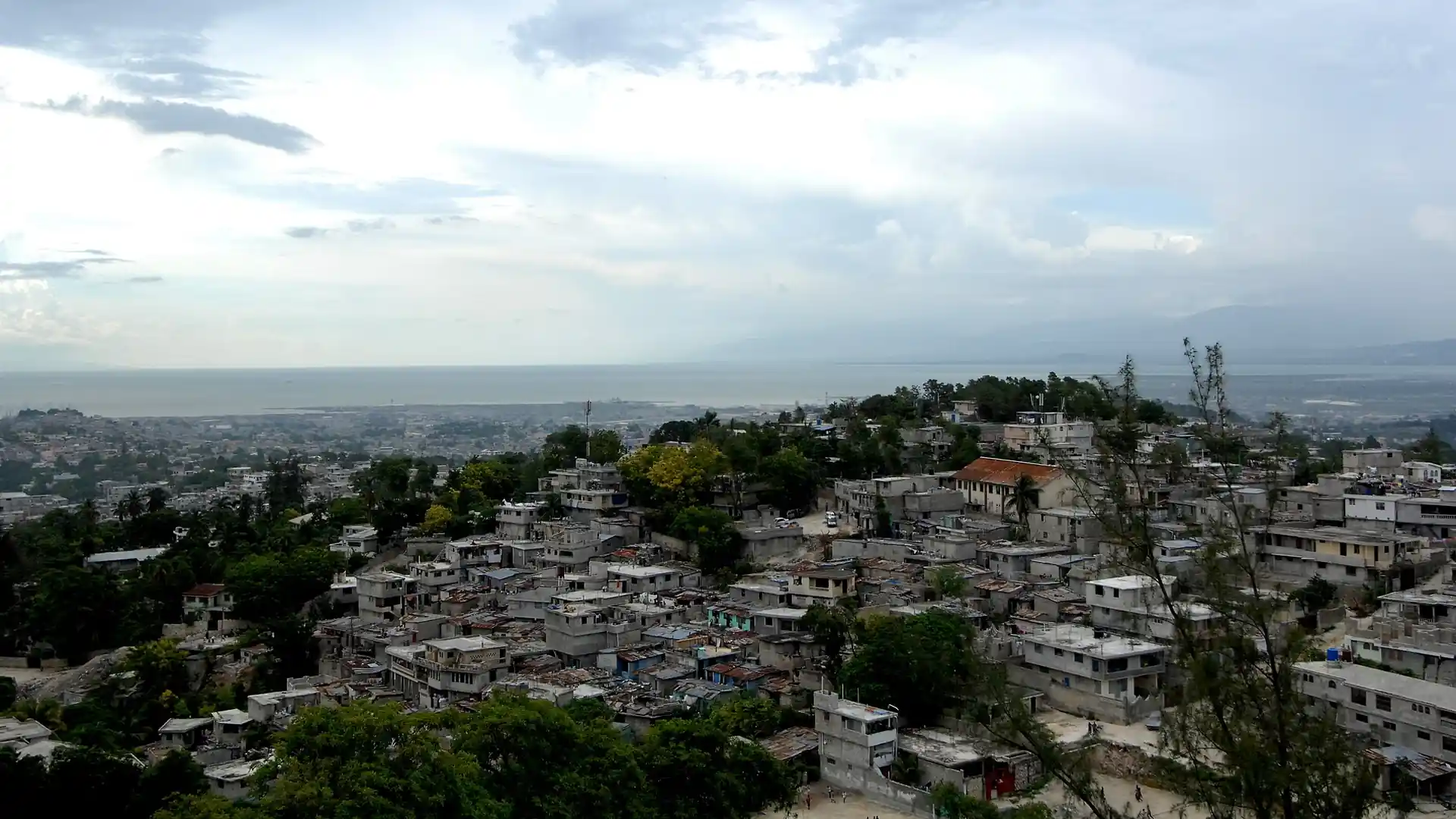
A rescue mission that became a war
The deployment came in waves: 100 special forces on 22 October, about 1,000 by 27 October, and about 2,500 within weeks — a force larger than the UN-authorised mission it was sent to support. Salvadoran armoured units led the first large-scale ground operation on 2 November into the Plaine du Cul-de-Sac, retook the national stadium, struck the homes of two gang leaders and pushed armoured columns into territory police had not held in years.
But Bukele has since launched airstrikes far from where the four Salvadorans disappeared, and the four remain missing. The leader of the 400 Mawozo gang told the Associated Press the men are dead, though he gave no evidence; El Salvador’s government maintains they are alive. Both Haiti and El Salvador have stayed silent on the terms of their bilateral security agreement.
“There’s a theatrical component and that’s part of the shock and awe,” said Robert Muggah, a Haiti adviser to the UN. “But it’s not yet resulting in the securing and holding of territory.”
More clashes, more casualties
Haitian gangs have for years controlled more than 80% of Port-au-Prince, as well as checkpoints along key roads and swaths of the country’s central and breadbasket regions. The US-based armed conflict monitoring group ACLED found that since Bukele deployed, clashes between all security forces and gangs have become both deadlier and more frequent.
The group recorded 317 deaths between 18 October, when the Salvadorans went missing, and 20 November — more than double the 135 deaths recorded during the same period the previous month. At least 26 of the victims were civilians. In mid-November, at least 10 more civilians were killed by gangs in Croix-des-Bouquets, the area where the Salvadoran technicians disappeared. Security experts say Bukele’s forces’ flashy arrival triggered an uptick in security operations across the board, with Haiti’s national police, its fledgling army, the UN-backed mission and a private military contractor all stepping up activity.
The operation has also taken its first losses. Last week the Salvadoran army said three soldiers had died in Haiti — two killed and two injured in a detonation while handling explosives at a camp, according to the Associated Press; Al Jazeera reported three killed and one injured.
The problem no army can solve alone
Security experts say the deeper obstacle is what happens after the shooting stops. Haiti’s frozen judiciary has not prosecuted a single massacre since 2018, and it is not equipped to prosecute a wave of suspected gang members. Captured fighters have nowhere to go, and territory cleared by soldiers can slip back to the gangs as soon as the troops move on.
Back home, the deployment has been popular. As Bukele prepares for presidential elections in February, a poll published days after the deployment began showed strong support for it. But experts warn that support could wane if casualties rise without results — and that Bukele’s attempt to crush Haiti’s gangs the way he crushed them at home could run into roadblocks and put civilians at risk. For more on the region, see Venezuela putting its public debt at $237.5 billion ahead of restructuring, Colombian forces freeing hostages from a Cartagena supermarket, and Washington proposing a 15% tariff on EU goods.