
Iran Used Musk’s Starlink in Attacks on US Forces: Report
Last Updated on November 29, 2026 11:22 am by Muhammad
Iran used Elon Musk’s Starlink satellite internet service to support military operations against United States forces in the Middle East, according to a report in The Washington Post, in a revelation that left the SpaceX chief executive furious and raised fresh questions about who controls the world’s most powerful satellite network in wartime.
The report, published on Saturday and cited by Reuters, says Tehran turned to Starlink in early March, after American strikes on Iran knocked out much of the country’s conventional military communications. Four people familiar with Iran’s operations told the newspaper that the satellite service helped Iranian forces keep talking to their units, coordinate operations and oversee one-way attack drone activity against American targets across the region.
How Starlink kept Iran’s forces connected
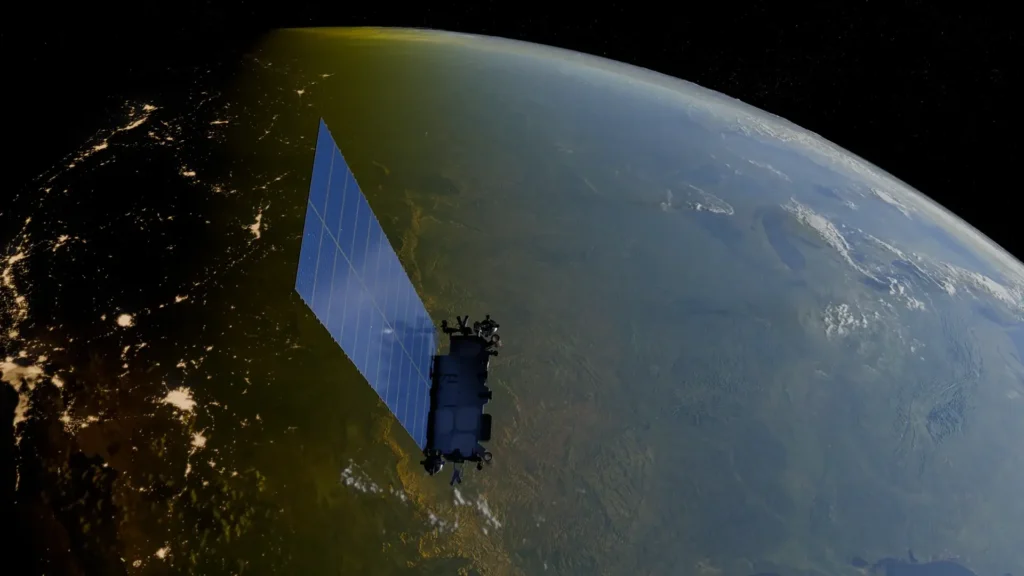
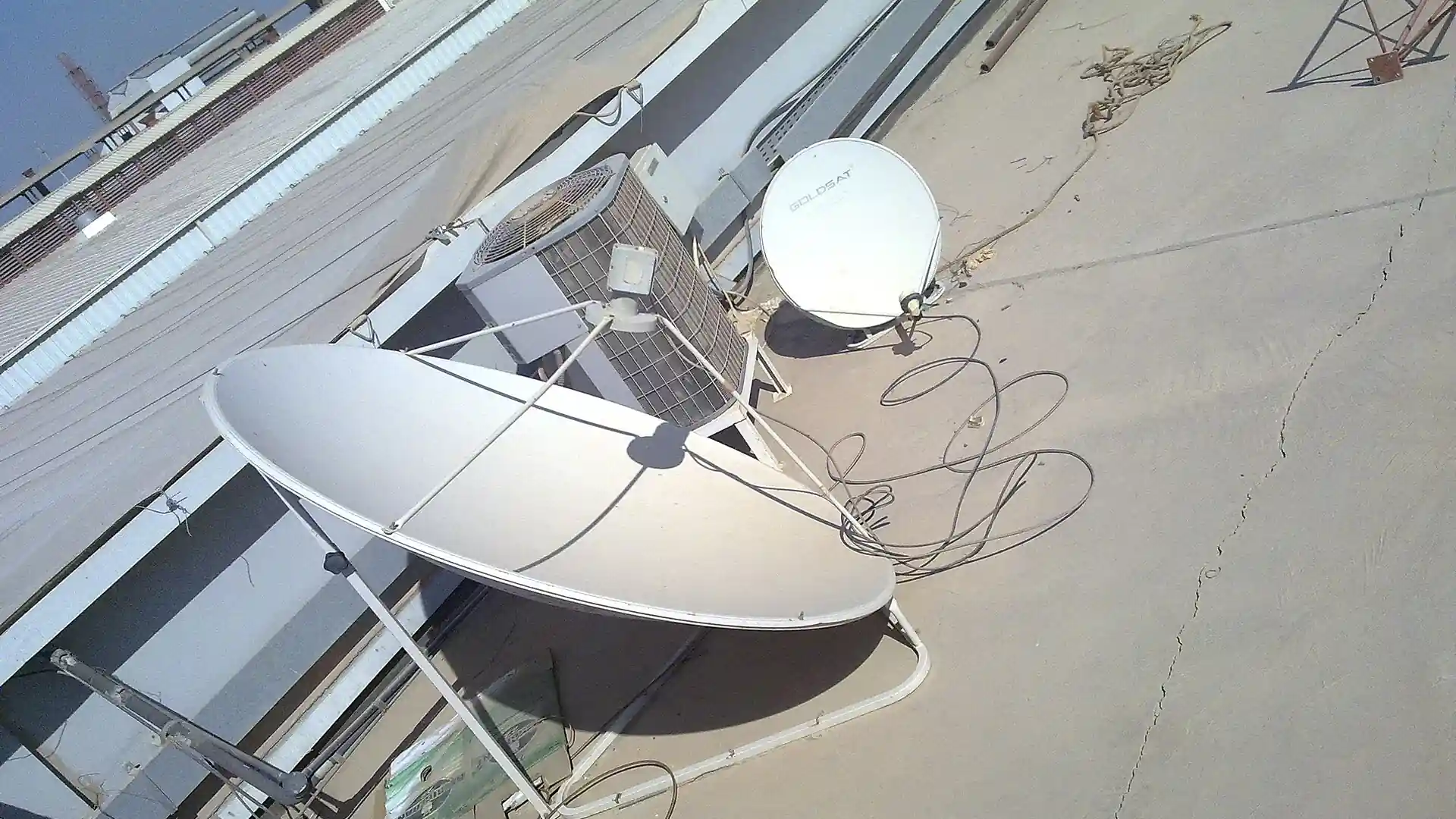
Starlink works through a constellation of thousands of small satellites in low Earth orbit, beaming internet down to pizza-box-sized terminals on the ground. Because the signal comes from space, it keeps working even when a country’s own networks are destroyed.
According to the report, a classified Central Command update for Defence Secretary Pete Hegseth this summer described Iran’s Starlink use for command and control and drone operations. The Pentagon pushed back: spokeswoman Kingsley Wilson said the department knew of no such report, and declined to say whether Iran had used Starlink.
The report has not established whether Starlink was directly involved in any single attack. No evidence has yet tied the network to the deadliest incident of the period — a drone strike on a US tactical operations centre at Port Shuaiba in Kuwait on 1 March that killed six US Army Reserve personnel and wounded more than 20 others.
Musk’s anger — and two firings at SpaceX
Musk was informed about the unauthorised uses in early March, and the report says he was enraged. His team concluded there had been two separate unauthorised uses of Starlink connected to Iran’s campaign, and Musk assembled a team to investigate how Iranian forces had gained access.
At least two executives were fired by the end of the first week of March over the unauthorised uses, according to the report. Within hours of the Port Shuaiba attack, SpaceX introduced identity checks for aircraft flying above 100 miles per hour, according to pilots and customer notices cited by the newspaper.
The US military was using it too — on the wrong plan
The embarrassment was not one-sided. Musk was also told that the US military itself had been using Starlink’s militarised version, Starshield, in ways that broke the company’s rules. The report says the military flew one-way drones on its Low-cost Uncrewed Combat Attack System, known as LUCAS, using a cheaper Starshield plan meant for ground operations rather than the plan intended for airborne drones.
Starlink was built as a civilian service, yet it has become military infrastructure for both sides — used by Iran after American bombs, and by the American military on a tier it had not paid for.
What happens to Starlink in wartime now
The episode exposes a problem no government has yet solved: a private company owns the satellite network that armies on both sides want to use, and its terms of service were written for households and businesses, not for commanders. SpaceX can tighten verification, as it did after the Kuwait attack, but terminals are small, portable and easy to smuggle, and the satellites cannot tell a farmer’s dish from a general’s.
For Washington, the report also raises a question about oversight. If a classified briefing to the defence secretary described Iran’s Starlink use, as the Post’s sources say, the Pentagon’s statement that it knows of no such report leaves an unresolved gap between what the military’s commanders were told and what its spokespeople will confirm. The war showed the internet itself has become a weapon — and the company running the largest network in orbit can no longer stay out of the fight. Readers following the wider confrontation can also read about Iran’s navy claiming it recovered two tankers seized by the US, US forces repelling suspected Iranian drones at RAF Lakenheath, and hackers breaching the US Air Force’s flagship cloud platform.