
US Rejects Iran’s Hormuz Claims as Tanker Mine Reports Grow
Last Updated on November 29, 2026 3:05 pm by Sara
The United States has flatly rejected a series of dramatic claims by Iran about the war in the Strait of Hormuz, calling them fabricated lies, as Tehran reported yet more tanker explosions and claimed to have shot down an American drone. The exchange, played out in public statements on Friday and Saturday, underlines how the information war over the world’s most important oil waterway has become almost as intense as the fighting itself.
US Central Command, the military command responsible for American forces in the Middle East, issued its denial on Friday in a statement posted on X. It rejected three claims made by an Iranian military commander: that the Islamic Revolutionary Guard Corps navy had retaken two seized oil tankers while American troops aboard were asleep, that Iranian forces had struck the aircraft carrier USS Abraham Lincoln, and that the United States was charging ships $2.5 million to pass through the strait.
Three claims, three denials
On the tankers, CENTCOM was blunt. Iran no longer has a navy. The entire situation the Iranian military commander described is another fabricated lie, the command wrote. On the carrier, it said the Abraham Lincoln was well defended and never struck by Iran, adding that the strike group had completed a historically successful combat deployment before returning safely to the United States last month.
On the toll, CENTCOM said the United States charges no fees at all for passage through the strait. Thousands of ships and billions of crude oil barrels have transited the strait freely and safely under US protection, the command said, insisting that American forces and their regional partners control the waterway without imposing tolls on commercial vessels.
The claims trace back to fighting that began on February 28, when the United States and Israel launched military operations against Iran. Tehran retaliated with missile and drone attacks and effectively shut the Strait of Hormuz, the narrow passage between Iran and Oman through which a large share of the world’s seaborne oil flows.
New mine claims on Saturday
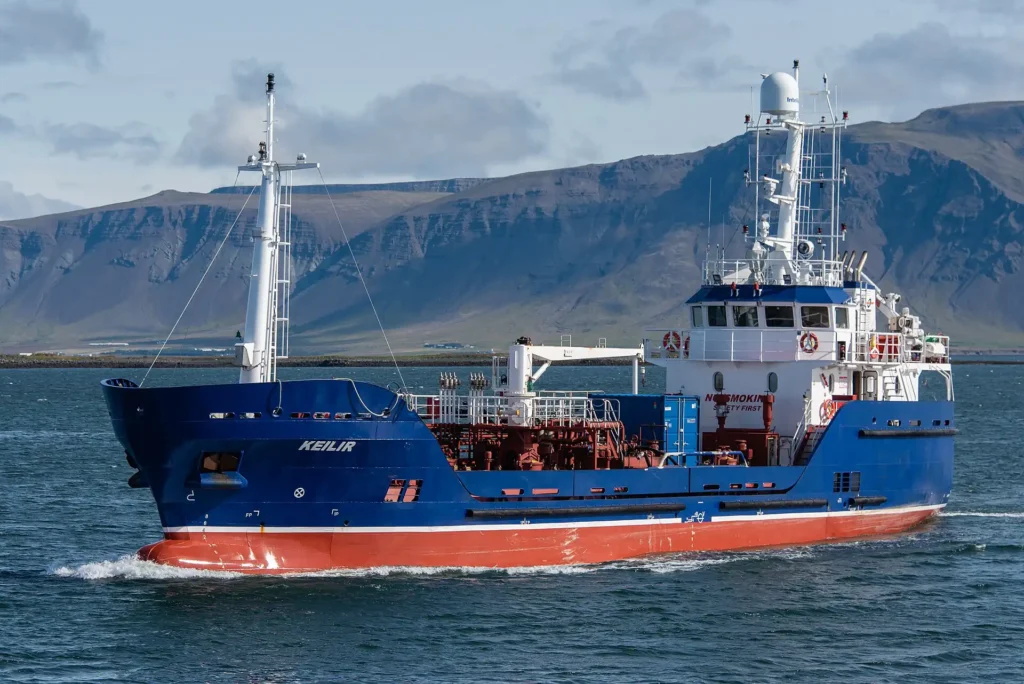
Within hours of CENTCOM’s statement, Iran made fresh claims. The naval arm of the Revolutionary Guards said on Saturday that two oil tankers had exploded and caught fire after striking mines in the Strait of Hormuz, describing them as violating tankers that had tried to cross the waterway through an unauthorised route. Iran’s official news agency carried the claim, but no vessel names, flag states, operators or crew details were given.
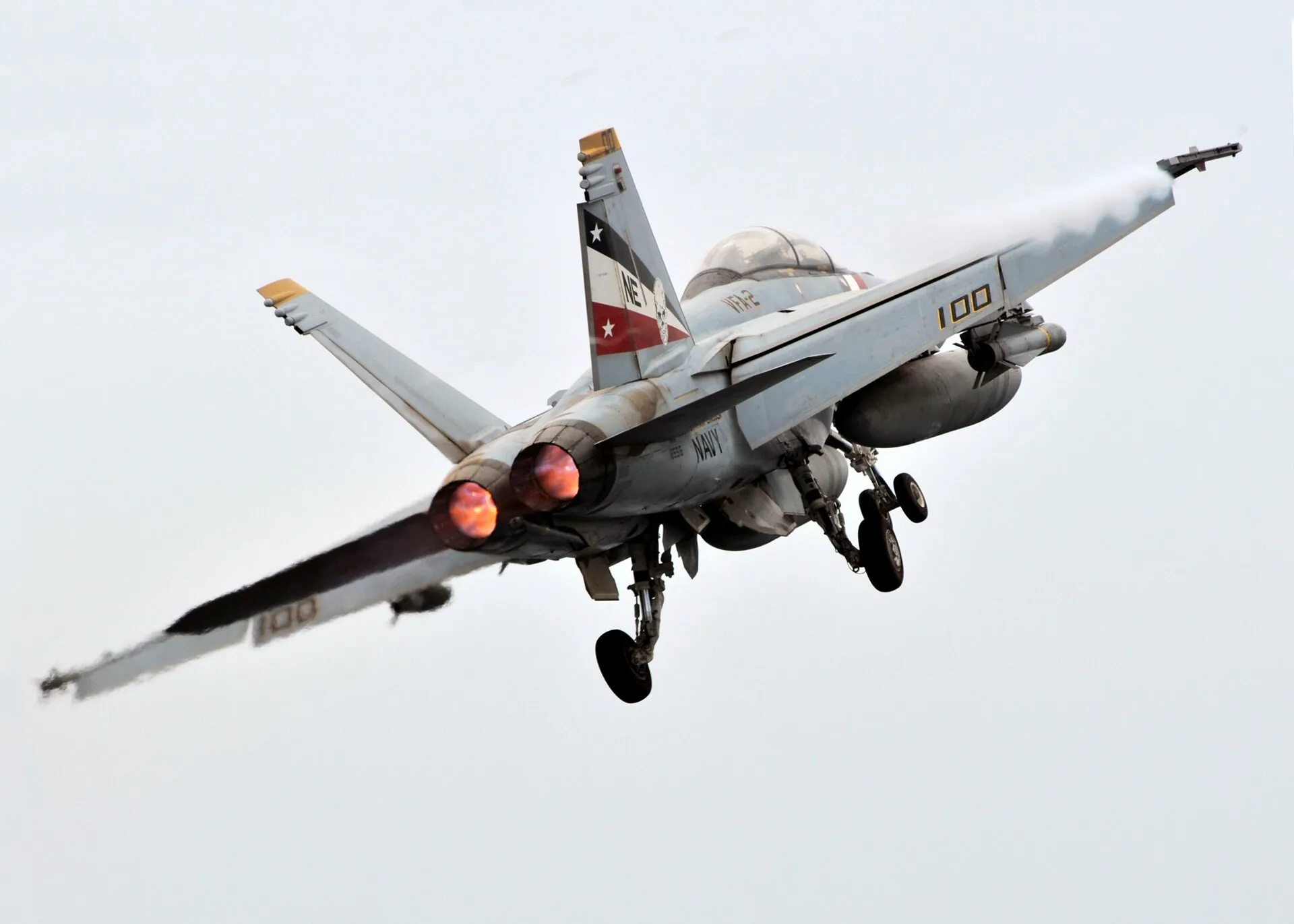
Separately, Iran’s regular army, the Artesh, said its air defence force had destroyed a reconnaissance drone over the strait on Saturday. The statement, issued through state broadcaster IRIB, described the aircraft only as an enemy reconnaissance drone belonging to an invading force. No drone model was named, no time of day was given, and no wreckage was shown.
Notably, CENTCOM’s statement addressed the tanker, carrier and toll claims in detail, but said nothing about the drone.
A pattern with no independent check
The latest claims fit a pattern that has repeated for weeks. On Wednesday, the Revolutionary Guards said a vessel carrying liquefied natural gas had exploded after striking a mine, along with three oil tankers. No independent monitoring agency had confirmed any vessel being struck. On November 23, when the Guards said three tankers had hit mines while under American military escort, CENTCOM denied that any commercial vessels had been struck.
Washington’s standing position is that all transit routes through the strait have been cleared of sea mines by US forces and remain so. Tehran’s position is the opposite: its navy chief has said his orders are to keep the strait closed. The two accounts cannot both be true, and with no independent observers on the water, shipping data is the only way to test them.
For now, the oil keeps moving, and the claims keep coming. The strait remains the most contested waterway on earth, and every new statement from either side is read in Tehran, Washington and the world’s energy markets for what it might mean next. The confrontation has already spilled into the wider region, with Iran reported to have used Starlink in attacks on US forces and its army chief insisting the strait stays closed.